
Eight Myths on Software Engineering and GenAI
Generative AI is transforming software engineering, but misconceptions about its capabilities are leading to poor decision-making regarding AI adoption and tooling. Research indicates that developers spend less time writing code than commonly believed, with studies from Microsoft and other organizations supporting this finding.
queue.acm.org
20 min
8/4/2026

CTOs Agree: Cognitive Debt Is the New Technical Debt
Cognitive debt is emerging as a critical concern for engineering teams, paralleling traditional technical debt. Senior engineering leaders are increasingly discussing the implications of AI adoption in their organizations.
shiftmag.dev
11 min
6/21/2026
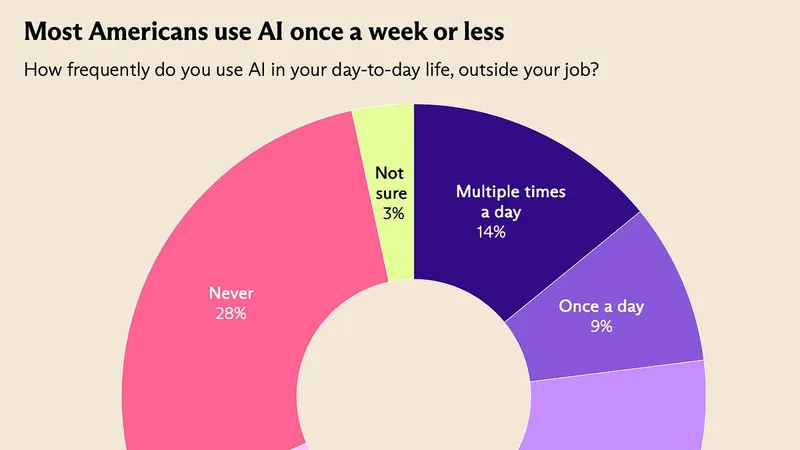
No, everyone is not using AI for everything
AI adoption varies significantly among individuals, with some fully embracing it, others limiting their use, and some avoiding it entirely. A perception exists that once people try AI, they will consistently use it, which is proving to be inaccurate.
gabrielweinberg.com
7 min
6/14/2026

When everyone has AI and the company still learns nothing
AI adoption in organizations often leads to individual productivity gains without translating into broader organizational learning. Effective transfer of insights from individuals to teams is necessary for maximizing the benefits of AI investments.
robert-glaser.de
12 min
5/5/2026

"People who don't use AI will be left behind"
Overreliance on AI may lead individuals to lose critical thinking, writing skills, and the ability to discern facts from fiction. Those who do not engage with AI technology might retain essential learning and cognitive abilities.
migrainebrain.bearblog.dev
1 min
4/29/2026

Familiarity is the enemy: On why Enterprise systems have failed for 60 years
Enterprise knowledge systems have struggled for sixty years due to issues related to familiarity. A senior executive at a global enterprise indicated that this familiarity was a key reason for not adopting a new AI product.
felixbarbalet.com
33 min
4/24/2026

The path to ubiquitous AI (17k tokens/sec)
AI currently outperforms humans in narrow domains and acts as a significant amplifier of human creativity and productivity. However, high latency and cost impede its widespread adoption, with language models lagging behind human cognitive speed and coding assistants causing disruptions in workflow.
taalas.com
6 min
2/20/2026


Big Tech : AI Isn’t Taking Your Job. Your Refusal to Use It Might.
AI is now integrated into everyday work processes, with Big Tech expected to invest over $650 billion in AI by 2026. Younger workers increasingly view AI as a standard tool for achieving outcomes rather than a topic of debate.
medium.com
5 min
2/7/2026
Eight Myths on Software Engineering and GenAI
Generative AI is transforming software engineering, but misconceptions about its capabilities are leading to poor decision-making regarding AI adoption and tooling. Research indicates that developers spend less time writing code than commonly believed, with studies from Microsoft and other organizations supporting this finding.
queue.acm.org
20 min
8/4/2026
No, everyone is not using AI for everything
AI adoption varies significantly among individuals, with some fully embracing it, others limiting their use, and some avoiding it entirely. A perception exists that once people try AI, they will consistently use it, which is proving to be inaccurate.
gabrielweinberg.com
7 min
6/14/2026
"People who don't use AI will be left behind"
Overreliance on AI may lead individuals to lose critical thinking, writing skills, and the ability to discern facts from fiction. Those who do not engage with AI technology might retain essential learning and cognitive abilities.
migrainebrain.bearblog.dev
1 min
4/29/2026
The path to ubiquitous AI (17k tokens/sec)
AI currently outperforms humans in narrow domains and acts as a significant amplifier of human creativity and productivity. However, high latency and cost impede its widespread adoption, with language models lagging behind human cognitive speed and coding assistants causing disruptions in workflow.
taalas.com
6 min
2/20/2026
Big Tech : AI Isn’t Taking Your Job. Your Refusal to Use It Might.
AI is now integrated into everyday work processes, with Big Tech expected to invest over $650 billion in AI by 2026. Younger workers increasingly view AI as a standard tool for achieving outcomes rather than a topic of debate.
medium.com
5 min
2/7/2026
CTOs Agree: Cognitive Debt Is the New Technical Debt
Cognitive debt is emerging as a critical concern for engineering teams, paralleling traditional technical debt. Senior engineering leaders are increasingly discussing the implications of AI adoption in their organizations.
shiftmag.dev
11 min
6/21/2026
When everyone has AI and the company still learns nothing
AI adoption in organizations often leads to individual productivity gains without translating into broader organizational learning. Effective transfer of insights from individuals to teams is necessary for maximizing the benefits of AI investments.
robert-glaser.de
12 min
5/5/2026
Familiarity is the enemy: On why Enterprise systems have failed for 60 years
Enterprise knowledge systems have struggled for sixty years due to issues related to familiarity. A senior executive at a global enterprise indicated that this familiarity was a key reason for not adopting a new AI product.
felixbarbalet.com
33 min
4/24/2026
Eight Myths on Software Engineering and GenAI
Generative AI is transforming software engineering, but misconceptions about its capabilities are leading to poor decision-making regarding AI adoption and tooling. Research indicates that developers spend less time writing code than commonly believed, with studies from Microsoft and other organizations supporting this finding.
queue.acm.org
20 min
8/4/2026
When everyone has AI and the company still learns nothing
AI adoption in organizations often leads to individual productivity gains without translating into broader organizational learning. Effective transfer of insights from individuals to teams is necessary for maximizing the benefits of AI investments.
robert-glaser.de
12 min
5/5/2026
The path to ubiquitous AI (17k tokens/sec)
AI currently outperforms humans in narrow domains and acts as a significant amplifier of human creativity and productivity. However, high latency and cost impede its widespread adoption, with language models lagging behind human cognitive speed and coding assistants causing disruptions in workflow.
taalas.com
6 min
2/20/2026
CTOs Agree: Cognitive Debt Is the New Technical Debt
Cognitive debt is emerging as a critical concern for engineering teams, paralleling traditional technical debt. Senior engineering leaders are increasingly discussing the implications of AI adoption in their organizations.
shiftmag.dev
11 min
6/21/2026
"People who don't use AI will be left behind"
Overreliance on AI may lead individuals to lose critical thinking, writing skills, and the ability to discern facts from fiction. Those who do not engage with AI technology might retain essential learning and cognitive abilities.
migrainebrain.bearblog.dev
1 min
4/29/2026
No, everyone is not using AI for everything
AI adoption varies significantly among individuals, with some fully embracing it, others limiting their use, and some avoiding it entirely. A perception exists that once people try AI, they will consistently use it, which is proving to be inaccurate.
gabrielweinberg.com
7 min
6/14/2026
Familiarity is the enemy: On why Enterprise systems have failed for 60 years
Enterprise knowledge systems have struggled for sixty years due to issues related to familiarity. A senior executive at a global enterprise indicated that this familiarity was a key reason for not adopting a new AI product.
felixbarbalet.com
33 min
4/24/2026
Big Tech : AI Isn’t Taking Your Job. Your Refusal to Use It Might.
AI is now integrated into everyday work processes, with Big Tech expected to invest over $650 billion in AI by 2026. Younger workers increasingly view AI as a standard tool for achieving outcomes rather than a topic of debate.
medium.com
5 min
2/7/2026
No more articles to load