
We are entering a period of overlapping crises
Hamish Campbell argues that climate breakdown, inequality, technological disruption, war, political instability and weakening democratic institutions are reinforcing one another. He warns that responses centered on “exit culture” — including private security and bunkers for wealthy people, ethnonationalist politics, religious escape narratives, and technological promises involving AI, automation, space or digital transcendence — cannot resolve systemic ecological and social crises. Campbell also rejects the idea that institutional collapse is inherently progressive, saying it can produce mutual aid and democratic organization but is more likely to lead to authoritarianism, scapegoating, violence and stronger hierarchies when communities are unprepared. Campbell calls for grassroots democratic resilience built before crises intensify: local relationships, communication systems, knowledge of resources, practical skills, shared decision-making and methods for handling disagreement. He advocates shifting from individual survivalism toward mutual aid and collective care. He presents the Open Media Network (OMN), the Fediverse and ActivityPub as examples of federated technology that can let independent communities communicate, share knowledge and exchange resources without giving up autonomy. Campbell says technology should support social processes rather than replace them with centralized control, and argues that cooperation and solidarity can provide an alternative to fear-driven scapegoating and authoritarian politics.
hamishcampbell.com
6 min
1d ago
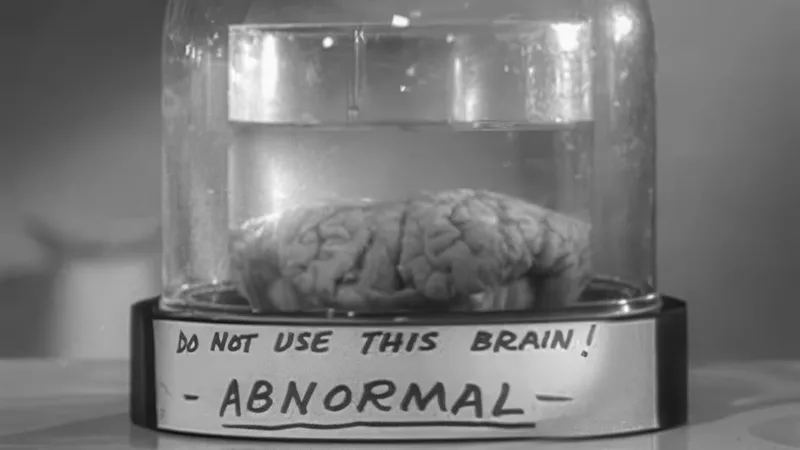
My falling-out with the rationalist community
The author experienced a falling-out with the rationalist community, influenced by events such as the arrest of financier Sam Bankman-Fried and a 2025 scandal involving the Zizians, a group accused of sex and murder. This disillusionment led to a reluctance to publicly address these issues until now.
lcamtuf.substack.com
5 min
7/20/2026

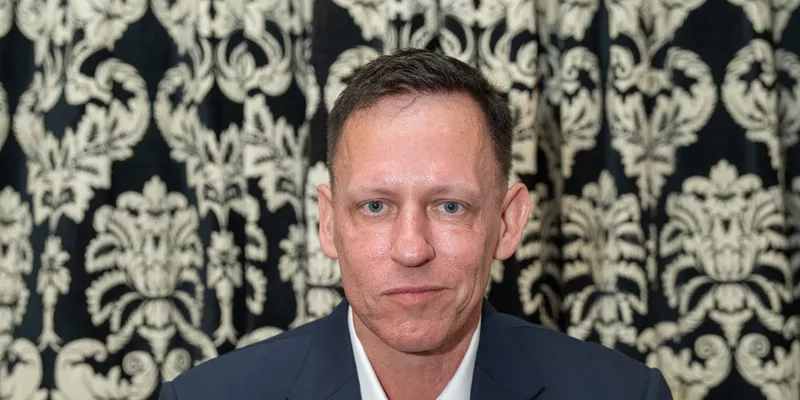
Turns Out, There Is a Cabal of Elite Crazies Trying to Control the World
Dialog is a secretive group led by Peter Thiel, comprising influential elites with controversial ideas. A registration list for Dialog's 2026 retreat includes 222 individuals, detailing their membership status and attendee types.
esquire.com
2 min
6/20/2026

Our principles
AI has the potential to significantly enhance societal capabilities and individual agency. The vision includes a future where personal fulfillment and potential are greatly increased, surpassing the impacts of past technological advancements like steam engines and electricity.
openai.com
6 min
4/27/2026
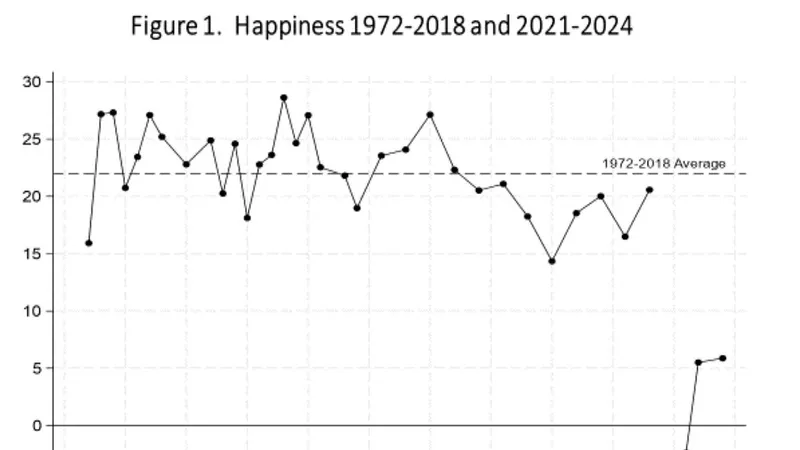
If America's so rich, how'd it get so sad?
The University of Chicago economist Sam Peltzman reported a significant decline in self-reported happiness among the US population following COVID-19, with this trend persisting through 2024. Data from the General Social Survey indicates that the drop in happiness is both sudden and historically unprecedented.
derekthompson.org
16 min
4/23/2026


The bridge to wealth is being pulled up with AI
Most inherited traits, such as intelligence and height, follow a Gaussian distribution, while wealth follows a power law. The top 1% of American households holds more wealth than the bottom 50% combined, with the mean wealth of the top 1% being five times greater.
danielhomola.com
41 min
3/24/2026
This System Can Go Fuck Itself and Burn in Hell
The author reflects on personal experiences of hardship during childhood, including living without power in a freezing environment. The narrative critiques systemic failures and explores the implications of AI and technology on society.
shawnfromportland.substack.com
23 min
3/1/2026
We are entering a period of overlapping crises
Hamish Campbell argues that climate breakdown, inequality, technological disruption, war, political instability and weakening democratic institutions are reinforcing one another. He warns that responses centered on “exit culture” — including private security and bunkers for wealthy people, ethnonationalist politics, religious escape narratives, and technological promises involving AI, automation, space or digital transcendence — cannot resolve systemic ecological and social crises. Campbell also rejects the idea that institutional collapse is inherently progressive, saying it can produce mutual aid and democratic organization but is more likely to lead to authoritarianism, scapegoating, violence and stronger hierarchies when communities are unprepared. Campbell calls for grassroots democratic resilience built before crises intensify: local relationships, communication systems, knowledge of resources, practical skills, shared decision-making and methods for handling disagreement. He advocates shifting from individual survivalism toward mutual aid and collective care. He presents the Open Media Network (OMN), the Fediverse and ActivityPub as examples of federated technology that can let independent communities communicate, share knowledge and exchange resources without giving up autonomy. Campbell says technology should support social processes rather than replace them with centralized control, and argues that cooperation and solidarity can provide an alternative to fear-driven scapegoating and authoritarian politics.
hamishcampbell.com
6 min
1d ago
My falling-out with the rationalist community
The author experienced a falling-out with the rationalist community, influenced by events such as the arrest of financier Sam Bankman-Fried and a 2025 scandal involving the Zizians, a group accused of sex and murder. This disillusionment led to a reluctance to publicly address these issues until now.
lcamtuf.substack.com
5 min
7/20/2026
Turns Out, There Is a Cabal of Elite Crazies Trying to Control the World
Dialog is a secretive group led by Peter Thiel, comprising influential elites with controversial ideas. A registration list for Dialog's 2026 retreat includes 222 individuals, detailing their membership status and attendee types.
esquire.com
2 min
6/20/2026
If America's so rich, how'd it get so sad?
The University of Chicago economist Sam Peltzman reported a significant decline in self-reported happiness among the US population following COVID-19, with this trend persisting through 2024. Data from the General Social Survey indicates that the drop in happiness is both sudden and historically unprecedented.
derekthompson.org
16 min
4/23/2026
The bridge to wealth is being pulled up with AI
Most inherited traits, such as intelligence and height, follow a Gaussian distribution, while wealth follows a power law. The top 1% of American households holds more wealth than the bottom 50% combined, with the mean wealth of the top 1% being five times greater.
danielhomola.com
41 min
3/24/2026
Understanding the AI Economy
AI has the potential to significantly transform the global economy and work environments. Achieving positive outcomes requires collaborative efforts to shape AI's impact on society, jobs, and the economy.
blog.google
5 min
7/23/2026
Better Images of AI
Clichéd images of AI, such as humanoid robots and glowing brains, misrepresent the technology and its societal impacts. Using abstract or realistic visuals can enhance understanding of AI's significant environmental and social implications.
betterimagesofai.org
1 min
6/28/2026
Our principles
AI has the potential to significantly enhance societal capabilities and individual agency. The vision includes a future where personal fulfillment and potential are greatly increased, surpassing the impacts of past technological advancements like steam engines and electricity.
openai.com
6 min
4/27/2026
We accepted surveillance as default
Surveillance has become a normalized aspect of daily life, often accepted without question. Factors contributing to this acceptance include technological advancements and societal changes in privacy perceptions.
vivianvoss.net
1 min
4/20/2026
This System Can Go Fuck Itself and Burn in Hell
The author reflects on personal experiences of hardship during childhood, including living without power in a freezing environment. The narrative critiques systemic failures and explores the implications of AI and technology on society.
shawnfromportland.substack.com
23 min
3/1/2026
We are entering a period of overlapping crises
Hamish Campbell argues that climate breakdown, inequality, technological disruption, war, political instability and weakening democratic institutions are reinforcing one another. He warns that responses centered on “exit culture” — including private security and bunkers for wealthy people, ethnonationalist politics, religious escape narratives, and technological promises involving AI, automation, space or digital transcendence — cannot resolve systemic ecological and social crises. Campbell also rejects the idea that institutional collapse is inherently progressive, saying it can produce mutual aid and democratic organization but is more likely to lead to authoritarianism, scapegoating, violence and stronger hierarchies when communities are unprepared. Campbell calls for grassroots democratic resilience built before crises intensify: local relationships, communication systems, knowledge of resources, practical skills, shared decision-making and methods for handling disagreement. He advocates shifting from individual survivalism toward mutual aid and collective care. He presents the Open Media Network (OMN), the Fediverse and ActivityPub as examples of federated technology that can let independent communities communicate, share knowledge and exchange resources without giving up autonomy. Campbell says technology should support social processes rather than replace them with centralized control, and argues that cooperation and solidarity can provide an alternative to fear-driven scapegoating and authoritarian politics.
hamishcampbell.com
6 min
1d ago
Better Images of AI
Clichéd images of AI, such as humanoid robots and glowing brains, misrepresent the technology and its societal impacts. Using abstract or realistic visuals can enhance understanding of AI's significant environmental and social implications.
betterimagesofai.org
1 min
6/28/2026
If America's so rich, how'd it get so sad?
The University of Chicago economist Sam Peltzman reported a significant decline in self-reported happiness among the US population following COVID-19, with this trend persisting through 2024. Data from the General Social Survey indicates that the drop in happiness is both sudden and historically unprecedented.
derekthompson.org
16 min
4/23/2026
This System Can Go Fuck Itself and Burn in Hell
The author reflects on personal experiences of hardship during childhood, including living without power in a freezing environment. The narrative critiques systemic failures and explores the implications of AI and technology on society.
shawnfromportland.substack.com
23 min
3/1/2026
Understanding the AI Economy
AI has the potential to significantly transform the global economy and work environments. Achieving positive outcomes requires collaborative efforts to shape AI's impact on society, jobs, and the economy.
blog.google
5 min
7/23/2026
Turns Out, There Is a Cabal of Elite Crazies Trying to Control the World
Dialog is a secretive group led by Peter Thiel, comprising influential elites with controversial ideas. A registration list for Dialog's 2026 retreat includes 222 individuals, detailing their membership status and attendee types.
esquire.com
2 min
6/20/2026
My falling-out with the rationalist community
The author experienced a falling-out with the rationalist community, influenced by events such as the arrest of financier Sam Bankman-Fried and a 2025 scandal involving the Zizians, a group accused of sex and murder. This disillusionment led to a reluctance to publicly address these issues until now.
lcamtuf.substack.com
5 min
7/20/2026
Our principles
AI has the potential to significantly enhance societal capabilities and individual agency. The vision includes a future where personal fulfillment and potential are greatly increased, surpassing the impacts of past technological advancements like steam engines and electricity.
openai.com
6 min
4/27/2026
The bridge to wealth is being pulled up with AI
Most inherited traits, such as intelligence and height, follow a Gaussian distribution, while wealth follows a power law. The top 1% of American households holds more wealth than the bottom 50% combined, with the mean wealth of the top 1% being five times greater.
danielhomola.com
41 min
3/24/2026