
CEOs Who Think AI Replaces Their Employees Are Just Bad CEOs
CEOs who believe AI can replace their employees demonstrate a lack of understanding and appreciation for their workforce. Recent examples show CEOs expressing excitement about AI tools while overlooking the value of human contributions.
techdirt.com
14 min
6/9/2026
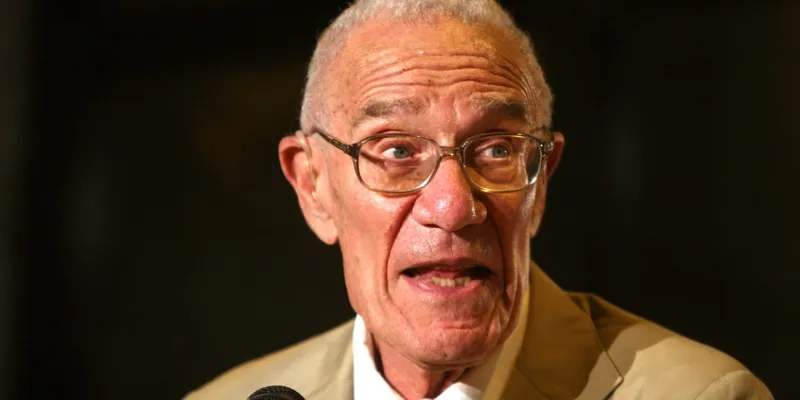
CEOs admit AI had no impact on employment or productivity
Thousands of CEOs report that AI has not significantly impacted employment or productivity. This situation has led economists to revisit a productivity paradox first noted by Robert Solow in 1987, which observed a slowdown in productivity growth despite advancements in technology.
fortune.com
6 min
4/19/2026


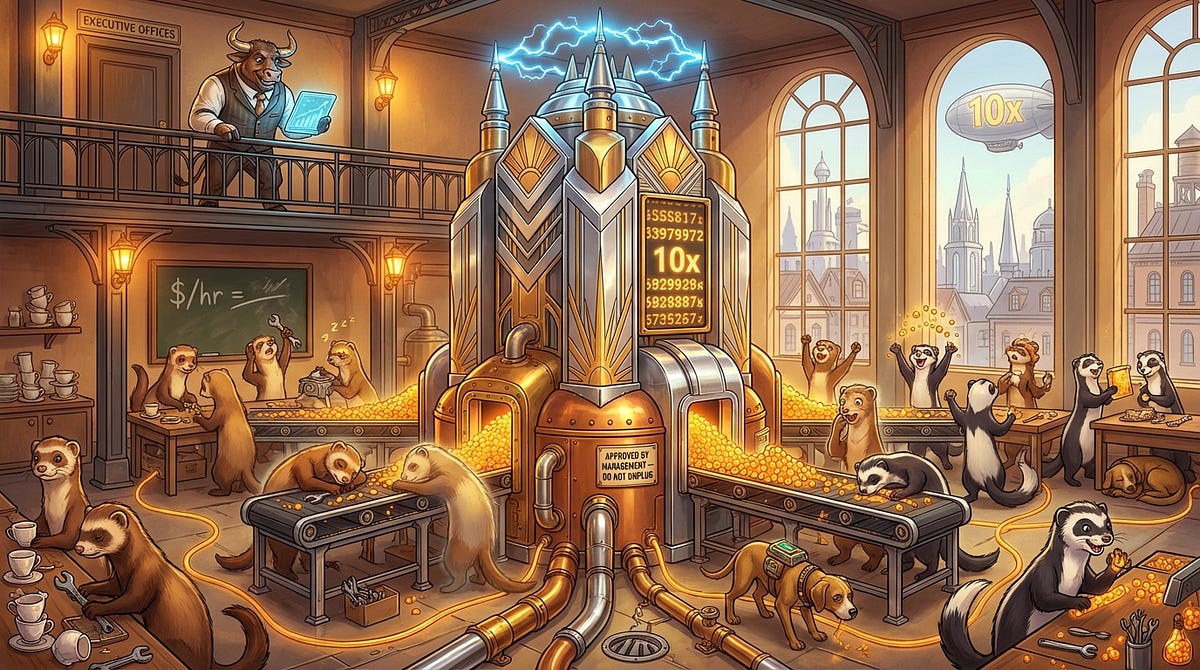
CEOs Who Think AI Replaces Their Employees Are Just Bad CEOs
CEOs who believe AI can replace their employees demonstrate a lack of understanding and appreciation for their workforce. Recent examples show CEOs expressing excitement about AI tools while overlooking the value of human contributions.
techdirt.com
14 min
6/9/2026
You are not your job
The concept emphasizes the distinction between personal identity and professional roles. It encourages individuals to recognize their worth beyond their job titles and responsibilities.
jry.io
1 min
3/22/2026
CEOs admit AI had no impact on employment or productivity
Thousands of CEOs report that AI has not significantly impacted employment or productivity. This situation has led economists to revisit a productivity paradox first noted by Robert Solow in 1987, which observed a slowdown in productivity growth despite advancements in technology.
fortune.com
6 min
4/19/2026
CEOs Who Think AI Replaces Their Employees Are Just Bad CEOs
CEOs who believe AI can replace their employees demonstrate a lack of understanding and appreciation for their workforce. Recent examples show CEOs expressing excitement about AI tools while overlooking the value of human contributions.
techdirt.com
14 min
6/9/2026
CEOs admit AI had no impact on employment or productivity
Thousands of CEOs report that AI has not significantly impacted employment or productivity. This situation has led economists to revisit a productivity paradox first noted by Robert Solow in 1987, which observed a slowdown in productivity growth despite advancements in technology.
fortune.com
6 min
4/19/2026
No more articles to load