MS Paint and Photos inivisibly watermark even locally generated output with GUID
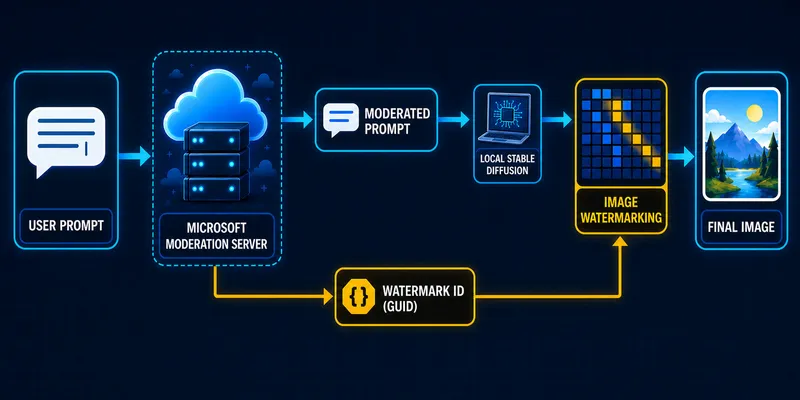
Microsoft Paint embeds an invisible, server-issued GUID watermark in images generated locally through its Cocreator feature on Copilot+ PCs. Before local NPU-based Stable Diffusion inference begins, Paint sends the prompt and style to a Microsoft Azure moderation endpoint. The response includes a revised prompt, a promptGenerationId, a watermarkId, and a human-reference classification. Paint encodes the 16-byte watermarkId into image pixels through Watermarker.dll; generation fails if that watermarking step fails. The watermark encoder requires images at least 192 by 192 pixels and converts the GUID into a 144-bit payload with a prefix and checksum. Paint also sends the generated image and promptGenerationId to an online signing service, which returns a signed C2PA Content Credentials manifest. Testing found that the manifest’s Microsoft InvisMark soft-binding value matched the GUID embedded in the image pixels. Paint limits AI-generated image saves to C2PA-preserving PNG, JPEG, GIF, and .paint formats. Microsoft Photos includes the same Watermarker.dll for locally generated Image Creator and Restyle Image results, although its code appears to return an image even when watermarking fails. Microsoft discloses remote content filtering and C2PA manifests, but the research found no Microsoft disclosure describing the prompt-moderation-issued GUID or its embedding in pixels.
xusheng.dev
14 min
8/24/2026
Document-borne AI worms can self-propagate through Copilot for Word
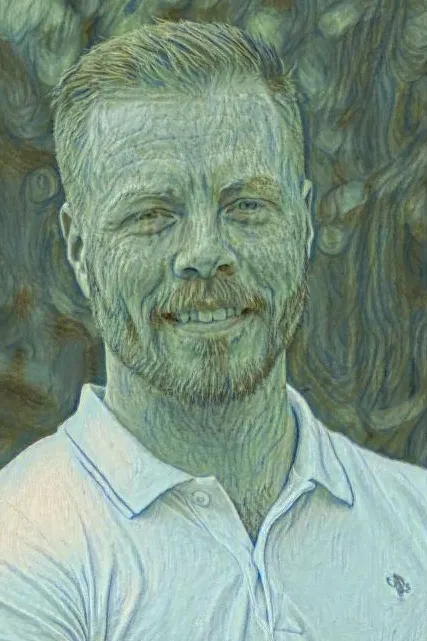
Microsoft product teams and the Microsoft Security Response Center (MSRC) collaborated on a technical analysis of vulnerabilities related to AI in Microsoft Word. The findings reveal potential security risks associated with AI integration in word processing software.
enklypesalt.com
17 min
7/29/2026
Boffin claims Microsoft's "quantum leap" is invalid due to "basic Python errors"
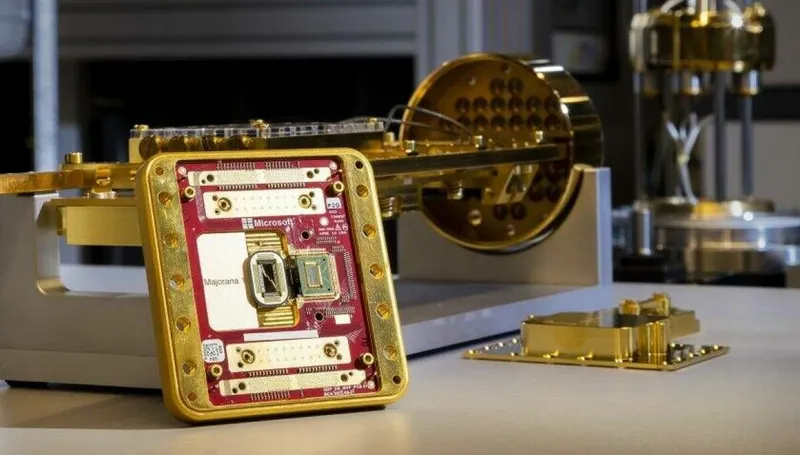
A researcher claims that Microsoft's advancements in quantum computing are flawed due to fundamental Python errors in their methodology. Microsoft defends its findings, asserting that the research is valid and sound.
theregister.com
1 min
6/24/2026
MS Paint and Photos inivisibly watermark even locally generated output with GUID
Microsoft Paint embeds an invisible, server-issued GUID watermark in images generated locally through its Cocreator feature on Copilot+ PCs. Before local NPU-based Stable Diffusion inference begins, Paint sends the prompt and style to a Microsoft Azure moderation endpoint. The response includes a revised prompt, a promptGenerationId, a watermarkId, and a human-reference classification. Paint encodes the 16-byte watermarkId into image pixels through Watermarker.dll; generation fails if that watermarking step fails. The watermark encoder requires images at least 192 by 192 pixels and converts the GUID into a 144-bit payload with a prefix and checksum. Paint also sends the generated image and promptGenerationId to an online signing service, which returns a signed C2PA Content Credentials manifest. Testing found that the manifest’s Microsoft InvisMark soft-binding value matched the GUID embedded in the image pixels. Paint limits AI-generated image saves to C2PA-preserving PNG, JPEG, GIF, and .paint formats. Microsoft Photos includes the same Watermarker.dll for locally generated Image Creator and Restyle Image results, although its code appears to return an image even when watermarking fails. Microsoft discloses remote content filtering and C2PA manifests, but the research found no Microsoft disclosure describing the prompt-moderation-issued GUID or its embedding in pixels.
xusheng.dev
14 min
8/24/2026
Boffin claims Microsoft's "quantum leap" is invalid due to "basic Python errors"
A researcher claims that Microsoft's advancements in quantum computing are flawed due to fundamental Python errors in their methodology. Microsoft defends its findings, asserting that the research is valid and sound.
theregister.com
1 min
6/24/2026
Document-borne AI worms can self-propagate through Copilot for Word
Microsoft product teams and the Microsoft Security Response Center (MSRC) collaborated on a technical analysis of vulnerabilities related to AI in Microsoft Word. The findings reveal potential security risks associated with AI integration in word processing software.
enklypesalt.com
17 min
7/29/2026
MS Paint and Photos inivisibly watermark even locally generated output with GUID
Microsoft Paint embeds an invisible, server-issued GUID watermark in images generated locally through its Cocreator feature on Copilot+ PCs. Before local NPU-based Stable Diffusion inference begins, Paint sends the prompt and style to a Microsoft Azure moderation endpoint. The response includes a revised prompt, a promptGenerationId, a watermarkId, and a human-reference classification. Paint encodes the 16-byte watermarkId into image pixels through Watermarker.dll; generation fails if that watermarking step fails. The watermark encoder requires images at least 192 by 192 pixels and converts the GUID into a 144-bit payload with a prefix and checksum. Paint also sends the generated image and promptGenerationId to an online signing service, which returns a signed C2PA Content Credentials manifest. Testing found that the manifest’s Microsoft InvisMark soft-binding value matched the GUID embedded in the image pixels. Paint limits AI-generated image saves to C2PA-preserving PNG, JPEG, GIF, and .paint formats. Microsoft Photos includes the same Watermarker.dll for locally generated Image Creator and Restyle Image results, although its code appears to return an image even when watermarking fails. Microsoft discloses remote content filtering and C2PA manifests, but the research found no Microsoft disclosure describing the prompt-moderation-issued GUID or its embedding in pixels.
xusheng.dev
14 min
8/24/2026
Document-borne AI worms can self-propagate through Copilot for Word
Microsoft product teams and the Microsoft Security Response Center (MSRC) collaborated on a technical analysis of vulnerabilities related to AI in Microsoft Word. The findings reveal potential security risks associated with AI integration in word processing software.
enklypesalt.com
17 min
7/29/2026
Boffin claims Microsoft's "quantum leap" is invalid due to "basic Python errors"
A researcher claims that Microsoft's advancements in quantum computing are flawed due to fundamental Python errors in their methodology. Microsoft defends its findings, asserting that the research is valid and sound.
theregister.com
1 min
6/24/2026
No more articles to load