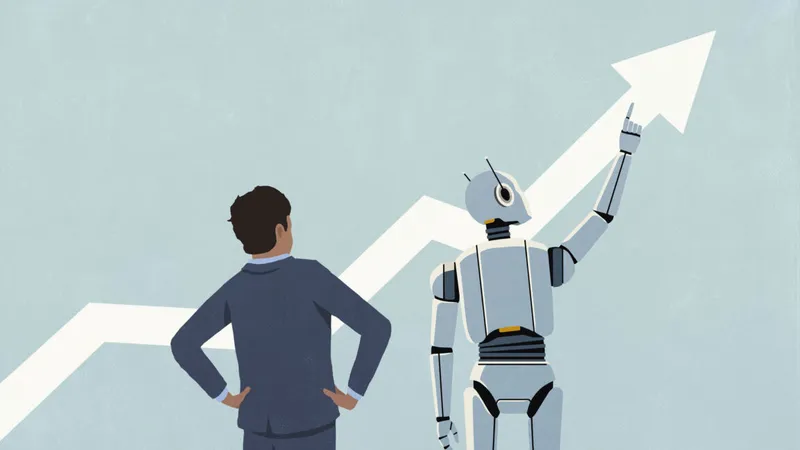
AI is hitting entry-level jobs hardest, Stanford study finds
Updated Stanford University research finds that employment for workers ages 22 to 25 in occupations most exposed to AI is 19 percent below employment among peers in less AI-exposed fields. The gap was 13 percent in the prior year’s analysis, indicating that the entry-level employment trend identified by the researchers has persisted and widened. The findings concern some fields rather than the entire labor market; older workers have appeared largely unaffected so far, according to the researchers. The August 2026 edition of “Canaries in the Coal Mine? Six Facts about the Recent Employment Effects of Artificial Intelligence” revises a paper published the previous year using newer data and refined statistics. The Stanford economists analyzed a large subsample of anonymized, high-frequency payroll data aggregated by HR-management company ADP. They classified occupations by AI exposure using a previously established gauge of potential labor-market effects and the Anthropic Economic Index, which measures how workers in different occupations use Anthropic’s Claude model in their daily work. Google published a comparable occupational analysis based on Gemini usage in the previous month.
arstechnica.com
1 min
6h ago
AI is hitting entry-level jobs hardest, Stanford study finds
Updated Stanford University research finds that employment for workers ages 22 to 25 in occupations most exposed to AI is 19 percent below employment among peers in less AI-exposed fields. The gap was 13 percent in the prior year’s analysis, indicating that the entry-level employment trend identified by the researchers has persisted and widened. The findings concern some fields rather than the entire labor market; older workers have appeared largely unaffected so far, according to the researchers. The August 2026 edition of “Canaries in the Coal Mine? Six Facts about the Recent Employment Effects of Artificial Intelligence” revises a paper published the previous year using newer data and refined statistics. The Stanford economists analyzed a large subsample of anonymized, high-frequency payroll data aggregated by HR-management company ADP. They classified occupations by AI exposure using a previously established gauge of potential labor-market effects and the Anthropic Economic Index, which measures how workers in different occupations use Anthropic’s Claude model in their daily work. Google published a comparable occupational analysis based on Gemini usage in the previous month.
arstechnica.com
1 min
6h ago
AI is hitting entry-level jobs hardest, Stanford study finds
Updated Stanford University research finds that employment for workers ages 22 to 25 in occupations most exposed to AI is 19 percent below employment among peers in less AI-exposed fields. The gap was 13 percent in the prior year’s analysis, indicating that the entry-level employment trend identified by the researchers has persisted and widened. The findings concern some fields rather than the entire labor market; older workers have appeared largely unaffected so far, according to the researchers. The August 2026 edition of “Canaries in the Coal Mine? Six Facts about the Recent Employment Effects of Artificial Intelligence” revises a paper published the previous year using newer data and refined statistics. The Stanford economists analyzed a large subsample of anonymized, high-frequency payroll data aggregated by HR-management company ADP. They classified occupations by AI exposure using a previously established gauge of potential labor-market effects and the Anthropic Economic Index, which measures how workers in different occupations use Anthropic’s Claude model in their daily work. Google published a comparable occupational analysis based on Gemini usage in the previous month.
arstechnica.com
1 min
6h ago
No more articles to load