
AI outperforms law professors in Stanford Law study
A study by Stanford Law School found that law professors prefer AI-generated answers to those provided by their peers. The research involved 16 law professors and assessed the effectiveness of large language models as tutors for contract law courses.
law.stanford.edu
4 min
6/2/2026
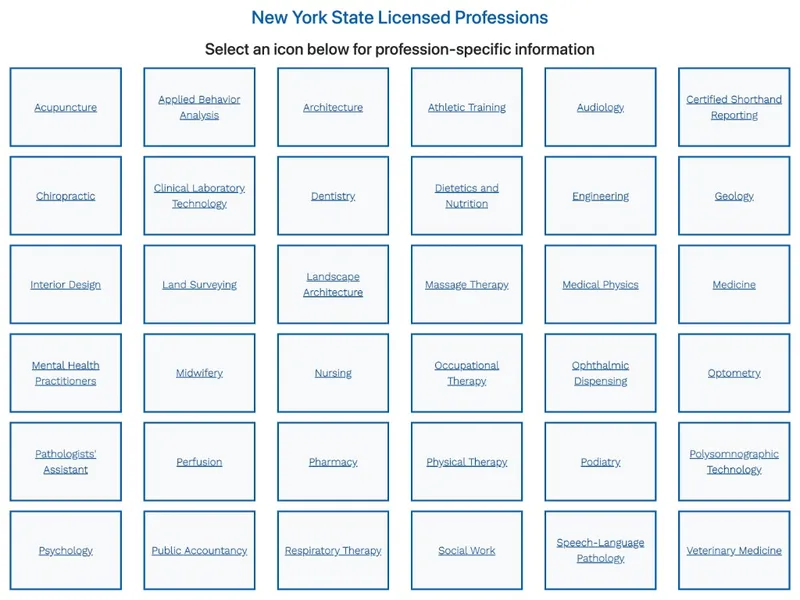
New York could prohibit chatbot medical, legal, engineering advice
New York's Senate Bill S7263 would impose civil liability on chatbot operators for providing substantive advice in 14 licensed professions, including medicine, law, and engineering. This regulation aims to protect consumers by holding AI systems accountable for potentially harmful advice in these fields.
folding-sky.com
9 min
3/4/2026
AI outperforms law professors in Stanford Law study
A study by Stanford Law School found that law professors prefer AI-generated answers to those provided by their peers. The research involved 16 law professors and assessed the effectiveness of large language models as tutors for contract law courses.
law.stanford.edu
4 min
6/2/2026
New York could prohibit chatbot medical, legal, engineering advice
New York's Senate Bill S7263 would impose civil liability on chatbot operators for providing substantive advice in 14 licensed professions, including medicine, law, and engineering. This regulation aims to protect consumers by holding AI systems accountable for potentially harmful advice in these fields.
folding-sky.com
9 min
3/4/2026
AI outperforms law professors in Stanford Law study
A study by Stanford Law School found that law professors prefer AI-generated answers to those provided by their peers. The research involved 16 law professors and assessed the effectiveness of large language models as tutors for contract law courses.
law.stanford.edu
4 min
6/2/2026
New York could prohibit chatbot medical, legal, engineering advice
New York's Senate Bill S7263 would impose civil liability on chatbot operators for providing substantive advice in 14 licensed professions, including medicine, law, and engineering. This regulation aims to protect consumers by holding AI systems accountable for potentially harmful advice in these fields.
folding-sky.com
9 min
3/4/2026
No more articles to load