Report · app.oravys.com
4TB of voice samples just stolen from 40k AI contractors at Mercor
app.oravys.com
Source published April 27, 2026
Summary: 1 min read
69/100
Summary
4TB of voice samples from 40,000 AI contractors were stolen and posted by the extortion group Lapsus$ on April 4, 2026. The leaked data includes voice biometrics linked to government-issued identity documents, raising concerns about potential misuse.
Key Takeaways
- 4TB of voice samples from 40,000 AI contractors were stolen by the extortion group Lapsus$ and posted on their leak site on April 4, 2026.
- The breach combines voice biometrics with government-issued identity documents, enabling potential misuse for identity theft and fraud.
- Attackers can use the stolen data for various malicious activities, including bypassing bank verification, committing vishing scams, and executing deepfake video calls.
- Individuals who uploaded voice samples to Mercor should treat their voice data as compromised and take steps to protect their identity.
Coverage & discussions
Hacker News · app.oravys.com
Community discussions
Community Sentiment
Positives
- The offer from ORAVYS to analyze suspect voice samples for free highlights a proactive approach to addressing potential misuse of AI-generated voice data.
- The discussion around 'Datensparsamkeit' emphasizes the importance of data minimization, which is crucial for protecting individual privacy in AI applications.
- Concerns about the origins of training data for text-to-speech models could lead to greater transparency and ethical standards in AI development.
Concerns
- The situation with Mercor contractors reveals a troubling pattern of consent manipulation, raising serious ethical concerns about how AI companies handle personal data.
- The reliance on biometrics as a form of identification is increasingly seen as a liability, especially when users are unaware of the permanence of their data.
- The lack of clarity regarding the training data for current text-to-speech models suggests a significant gap in ethical AI practices, potentially undermining trust in the technology.
Related Articles
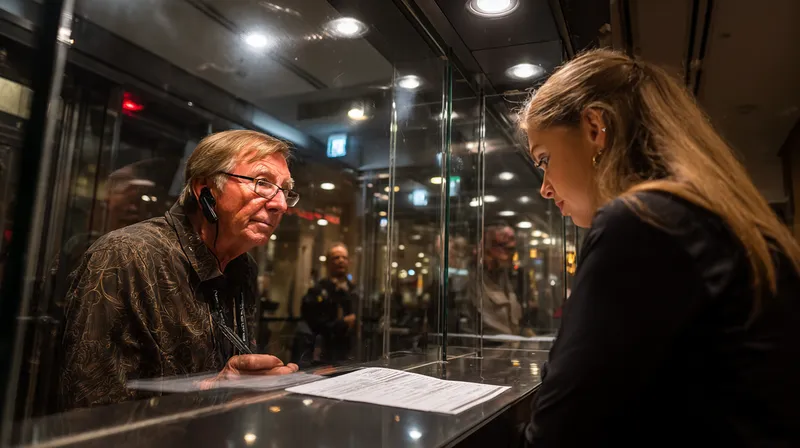
The Three-Second Theft: Why AI Voice Fraud Outruns Every Defence
Jul 15, 2026

Hacker leaks 281 GB of data from Germany's far-right AfD party
Oct 23, 2026

Cohere says Alibaba’s Qwen model tried to send a file to Beijing
Oct 27, 2026

Sam Altman: 'I No Longer Think We're Gonna Be Able to Just Patch All the Bugs'
Oct 24, 2026
Is this the new cyber normal?
Oct 23, 2026