Advancing the price-performance frontier with GPT‑5.6

openai.com
July 30, 2026
5 min read
🔥🔥🔥🔥🔥
70/100
Summary
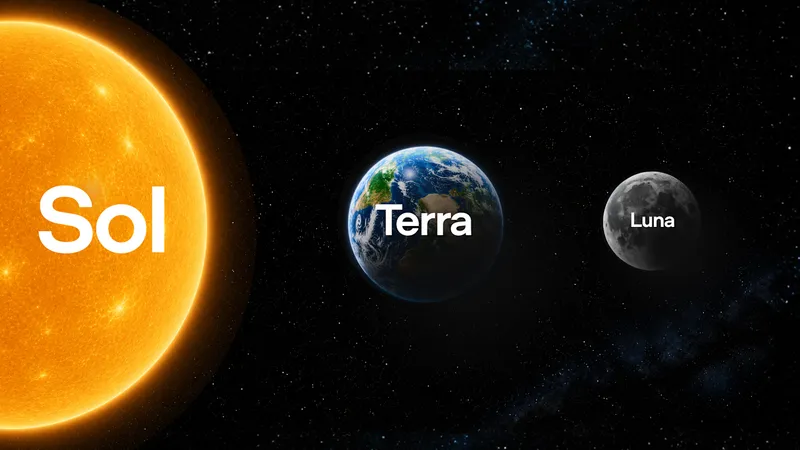
OpenAI's GPT-5.6 improves efficiency across all layers, resulting in enhanced performance per dollar for enterprise workloads. Customers benefit from reduced prices for GPT-5.6 Luna and Terra, along with faster performance from GPT-5.6 Sol in the API.
Key Takeaways
- OpenAI's GPT-5.6 Luna model is now priced 80% lower, while the Terra model is priced 20% lower, enhancing cost-effectiveness for businesses.
- The GPT-5.6 family offers improved performance, with Luna achieving comparable results to previous frontier-class models at approximately 6 cents per task and nearly nine times the speed.
- Fast mode in the API for GPT-5.6 Sol delivers speeds up to 2.5 times faster than standard processing at double the price, maintaining the same level of intelligence.
- Efficiency improvements in the models and inference systems allow GPT-5.6 to complete more work with less compute, reducing costs and time for each result.
Coverage & discussions
Hacker News · openai.com
Community discussions
Community Sentiment
Positives
- GPT-5.6 Luna being 80% cheaper than its predecessors is a game changer, making advanced AI accessible to more businesses and users.
- The combination of reduced serving costs and increased efficiency means organizations could save billions, which is a monumental shift in the AI landscape.
- Being able to run 5x more models for the same cost is bananas — this opens up new possibilities for deep research and experimentation.
- The rapid decrease in costs after a year of price hikes signals a competitive market, which is great for developers and businesses looking to adopt AI.
Concerns
- Skepticism looms over the actual performance gains; some worry that aggressive cost-cutting may lead to quality compromises in the model.
- Comments suggest that we might be witnessing investor-subsidized pricing strategies rather than genuine improvements, raising doubts about sustainability.
- Without more transparency about the model's performance metrics, it's difficult to fully trust the claims of efficiency and effectiveness.