After the AI Crash

potsandpansbyccg.com
July 29, 2026
4 min read
🔥🔥🔥🔥🔥
53/100
Summary
The AI industry faces potential collapse due to unsustainable capital expenses, with estimates suggesting it requires $2 trillion annually in revenue to support existing infrastructure. Current revenue forecasts indicate that even half of this amount is unlikely to be achieved.
Key Takeaways
- The AI industry requires $2 trillion in annual revenue to cover infrastructure costs, but forecasts indicate it may not generate even half that amount.
- Many tech firms are heavily reliant on debt for funding, which poses risks as this debt must eventually be repaid.
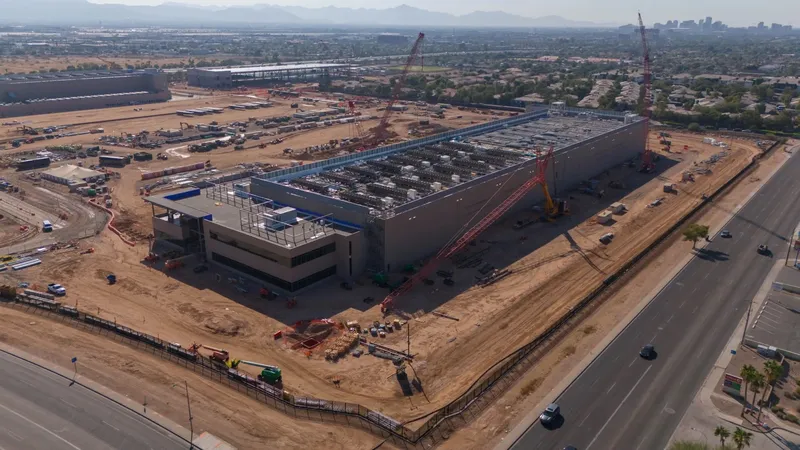
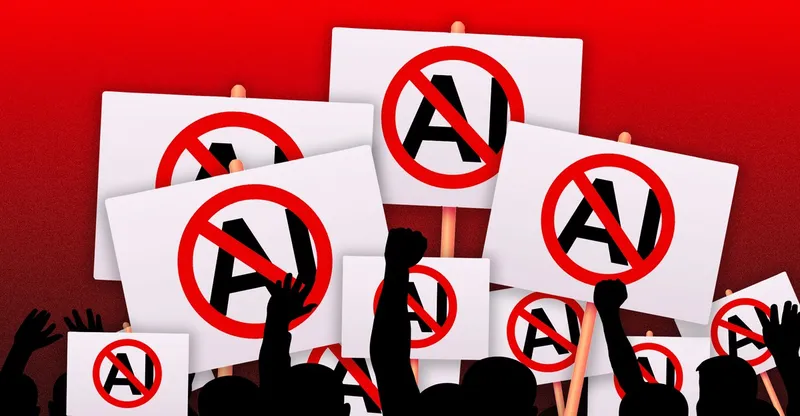
- Public opposition to new data centers is increasing, contrasting with the typical welcome for new technologies.
- Moody’s has warned that high spending on AI infrastructure could threaten the credit ratings of AI companies and their large tech partners.
Coverage & discussions
Hacker News · potsandpansbyccg.com
Community discussions
Community Sentiment
Positives
- AI investment might crash, but the technology itself is unstoppable—commenters see it as an inevitable evolution that will continue to thrive and improve.
- There's a strong belief that AI is 'eating the world,' signaling that the tech's integration into society is not just a phase but a transformative force.
- AI accelerationism is gaining traction, with some arguing that speeding up the transition could minimize the pain of job displacement, which is a hopeful perspective amidst uncertainty.
Concerns
- Concerns are rampant about the job market post-AI crash, with many fearing that competition will only intensify and lead to widespread layoffs and instability.
- Skepticism about AI's purported benefits is growing—some commenters argue that companies are using AI as a scapegoat for layoffs instead of retraining workers.
- The fear of another 'AI Winter' looms large, with historical cycles of investment drying up leading many to question the sustainability of current AI advancements.