Report · biograph.com
AI analysis of CT scans finds 42.9% of patients have coronary inflammation
biograph.com
Source published October 22, 2026
Summary: 1 min read
49/100
Summary
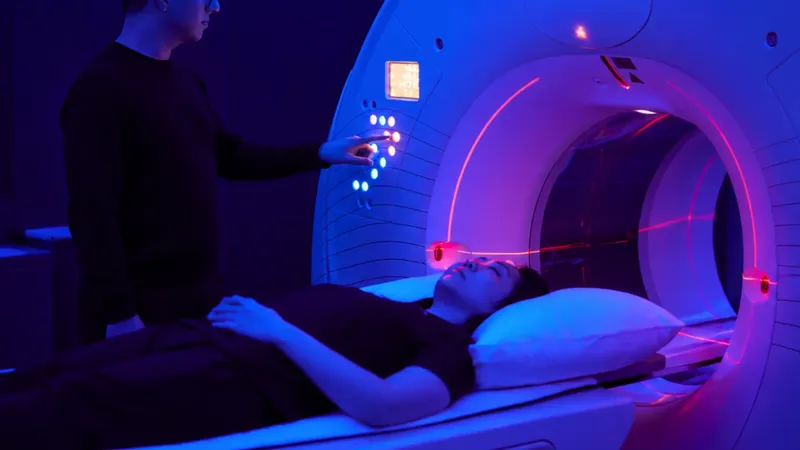
Biograph completed a U.S. study of Caristo Diagnostics’ AI-powered CaRi-Heart coronary-inflammation analysis in asymptomatic adults considered low risk and without known heart disease. The study paired high-resolution coronary CT angiography, cardiometabolic profiling, CaRi-Heart inflammation measurements and CaRi-Plaque plaque and stenosis analysis. Biograph said the study was available to clinically eligible members of its Black tier and that its manuscript has been published as a preprint. Biograph reported elevated coronary inflammation in 42.9% of participants and very high inflammation in at least one major coronary artery in 17.9%. About 47% of participants with no detectable coronary plaque had elevated perivascular inflammation, according to the findings. Cholesterol measures including ApoB and non-HDL-C, HbA1c, hs-CRP, and the AHA PREVENT-ASCVD risk calculator showed no correlation with the detected inflammation in this study. Biograph said the results may identify an earlier phase of coronary disease, but said further research is needed to validate the findings and determine the prognostic value of inflammation measurements and the benefits of care directed at them. CaRi-Heart has FDA De Novo marketing authorization to quantify coronary inflammation from routine coronary CT angiography, while CaRi-Plaque has FDA clearance for AI-assisted plaque and stenosis analysis.
Key Takeaways
- Biograph reported elevated coronary inflammation in 42.9% of asymptomatic, conventionally low-risk study participants, including very high inflammation in 17.9%.
- About 47% of participants with no detectable coronary plaque showed elevated coronary perivascular inflammation, according to Biograph’s findings.
- ApoB, non-HDL-C, HbA1c, hs-CRP and the AHA PREVENT-ASCVD calculator did not correlate with coronary inflammation in the study.
- Biograph said more research is needed to validate whether CT-based coronary inflammation measurements predict outcomes or improve preventive care.
What the discussion said
Commenters spent far less time on the headline prevalence number than on whether the AI-derived CT score measures anything clinically useful. The sharpest criticism was that the preprint appears to tie the new inflammation measure mainly to BMI, while failing to show a relationship with coronary calcium or, more importantly, future cardiac events. Several readers argued that without an outcome-based validation set, the claim that routine labs and risk calculators miss these patients does not establish that the scan is correctly finding dangerous disease. One reader also noted that the paper does report a sex association, pushing back on the claim that BMI is its sole correlate. There was some recognition of the medical rationale for looking beyond calcium scoring: calcium scans can miss noncalcified, rupture-prone plaque, so an imaging-based AI signal could theoretically catch risk that a zero calcium score overlooks. But that promise was outweighed by suspicion that the study is a premium health-service advertisement dressed as AI research. The $17,500 program, AI-agent-heavy marketing, and unclear relationship between membership and study access made readers especially wary. Debate over hs-CRP and related blood tests reinforced the central problem: even if this model detects a different local signal, commenters wanted proof that it predicts outcomes better or changes treatment decisions.
Where opinion split
The core fight is whether the AI CT score reveals clinically actionable coronary danger that conventional tests cannot see, or merely repackages broad body-size and risk information as a costly new metric. Supporters of the premise note that calcium scoring misses vulnerable soft plaque and systemic blood markers may not capture artery-level inflammation. Skeptics argue that a signal without demonstrated predictive value for heart attacks, mortality, or treatment benefit is not evidence of a useful diagnostic breakthrough.
Coverage & discussions
Hacker News · biograph.com
Community discussions
Community Sentiment
Positives
- CT-based AI could fill a real blind spot in calcium scoring by flagging noncalcified plaque that may rupture despite a reassuring zero calcium result.
- If the imaging signal truly isolates artery-level inflammation missed by systemic blood tests, it could sharpen cardiovascular risk assessment beyond standard lipid panels.
Concerns
- The model looks unconvincing when its reported associations appear dominated by BMI and lack a clear connection to coronary calcium or patient outcomes.
- Claiming that familiar biomarkers fail does not validate the AI result; without follow-up events, nobody can calculate whether its positive findings actually predict danger.
- A $17,500 membership-linked study and aggressive AI-agent marketing make the system feel like health-anxiety monetization rather than independently established clinical AI.
- The study's reported sex association complicates the claim that BMI is its only correlate, but it still falls far short of proving the score improves medical decisions.
Related Articles

New AI Is More Than Twice as Good at Diagnosing Diseases as Doctors
Oct 23, 2026

AI finds signs of pancreatic cancer before tumors develop
May 3, 2026

New UCLA AI tool targets Alzheimer's cases often missed in early diagnosis
Jan 25, 2026

Johns Hopkins alerts 3,000+ patients after data sent to AI tool
Oct 26, 2026
A 10-year-old CNN outperforms frontier LLMs for skin cancer diagnosis
Oct 25, 2026