AI and the Ship of Theseus
lucumr.pocoo.org
March 5, 2026
4 min read
🔥🔥🔥🔥🔥
56/100
Summary
AI can automate the porting of libraries to different programming languages, often resulting in alternative design implementations while maintaining similar functionality. The process can involve utilizing a test suite to ensure compatibility and correctness in the new version.
Key Takeaways
- The cost of writing code is decreasing, enabling easier re-implementations of software using AI and test suites.
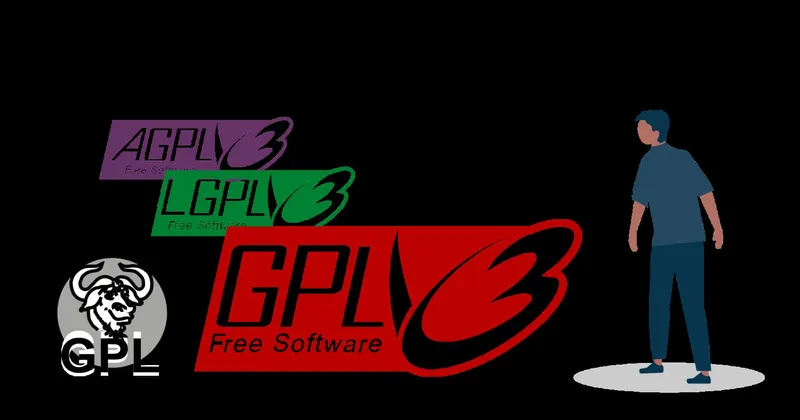
- A new implementation of the chardet library has sparked debate over whether it is a derived work or a new creation, with implications for licensing.
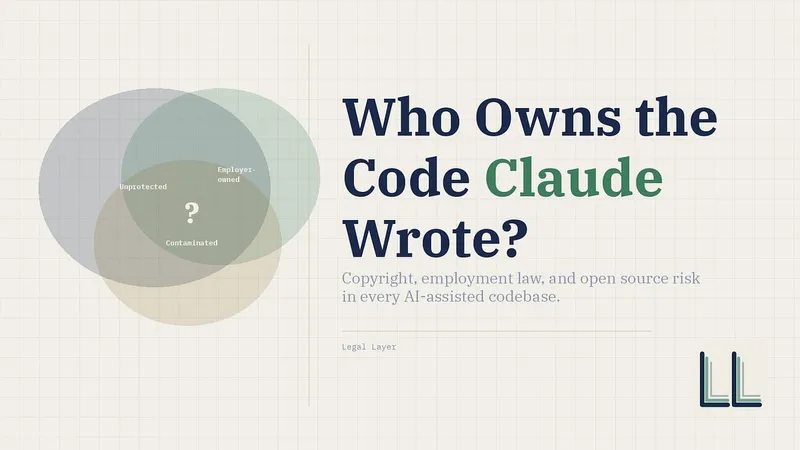
- The potential for AI-generated code to be considered public domain raises questions about copyright and the future of software licensing.
- The trend of re-implementing software under more permissive licenses could lead to significant changes in the software landscape, including the emergence of proprietary software as open source.
Coverage & discussions
Hacker News · lucumr.pocoo.org
Community discussions
Community Sentiment
Positives
- The discussion around open-source licenses highlights a crucial shift towards permissive licensing, which could foster greater collaboration and innovation in AI development.
- There is an exciting potential for society to benefit from more open sharing of AI technologies, as less restrictive licensing may encourage broader participation and creativity.
Concerns
- Concerns about the implications of GPL licensing on proprietary software suggest a looming legal and ethical quagmire that could stifle innovation and complicate AI applications.
- The idea that LLMs could inadvertently enforce GPL licensing raises significant questions about intellectual property, potentially leading to confusion and legal challenges for developers.