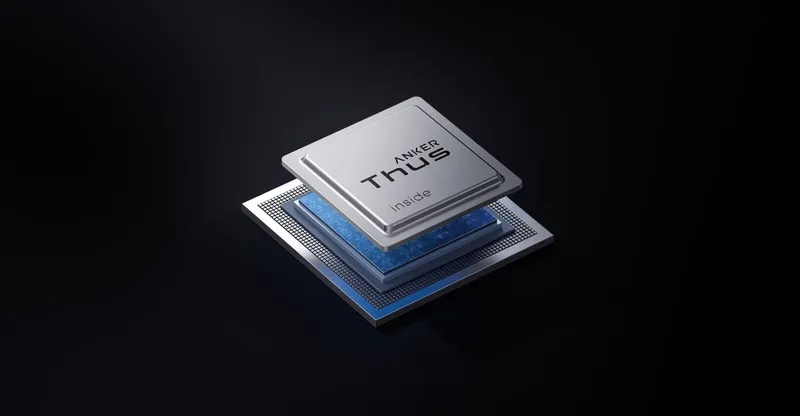
Anker made its own chip to bring AI to all its products
theverge.com
April 22, 2026
2 min read
46/100
Summary
Anker has introduced the Thus processor, the world's first neural-net compute-in-memory AI audio chip designed for audio devices, mobile accessories, and IoT devices. This chip is smaller and more power-efficient than traditional chips, making it suitable for compact devices, with an initial rollout planned for earbuds.
Key Takeaways
- Anker has developed the Thus chip, the world’s first neural-net compute-in-memory AI audio chip, designed to enhance local AI capabilities in audio devices, mobile accessories, and IoT devices.
- The Thus chip will first be integrated into Anker's Soundcore flagship earbuds, which face significant size constraints for AI chip integration.
- The Thus chip can handle several million parameters, significantly improving audio processing for call noise cancellation compared to traditional small onboard neural networks.
- Anker plans to announce more details about the earbuds featuring the Thus chip and additional AI-powered features on May 21 during Anker Day.
Coverage & discussions
Hacker News · theverge.com
Community discussions
Community Sentiment
Positives
- Anker's new chip enables larger neural networks for noise cancellation, significantly improving voice isolation in noisy environments, which enhances user experience.
- The adaptive noise cancellation powered by neural networks is a notable advancement, providing better performance compared to traditional methods.
- Users express satisfaction with Anker products, highlighting their reliability and value, which suggests a strong market presence and customer loyalty.
Concerns
- Some users feel that AI features are being forced into products unnecessarily, indicating a disconnect between consumer needs and corporate strategies.
- Critics argue that labeling their noise cancellation technology as 'AI' may be a marketing tactic rather than a substantial technological advancement.
Related Articles

AMD acquires Taalas to boost inference performance by etching models in silicon
Aug 6, 2026
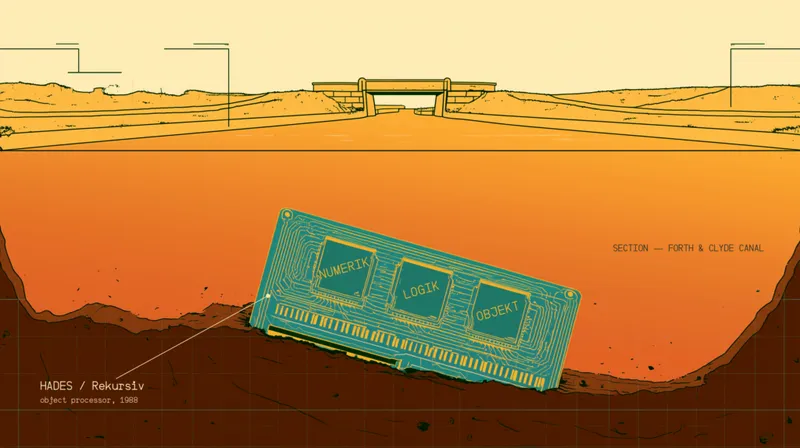
The Computer at the Bottom of a Canal
Jul 18, 2026

How is Groq raising more money?
Jun 2, 2026
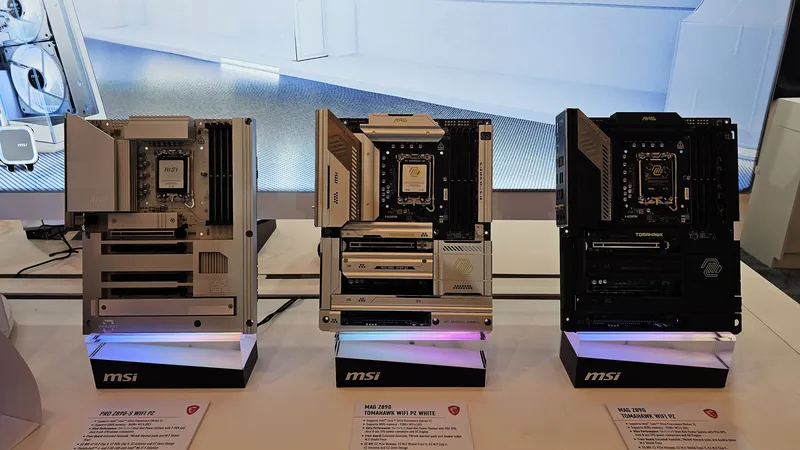
Motherboard sales are now collapsing amid unprecedented shortages fueled by AI
May 7, 2026
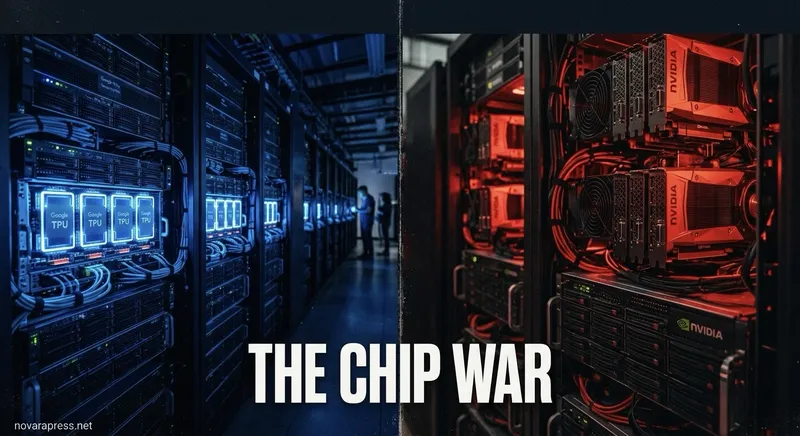
The AI Gold Rush Just Entered Its Most Dangerous Phase
Apr 22, 2026