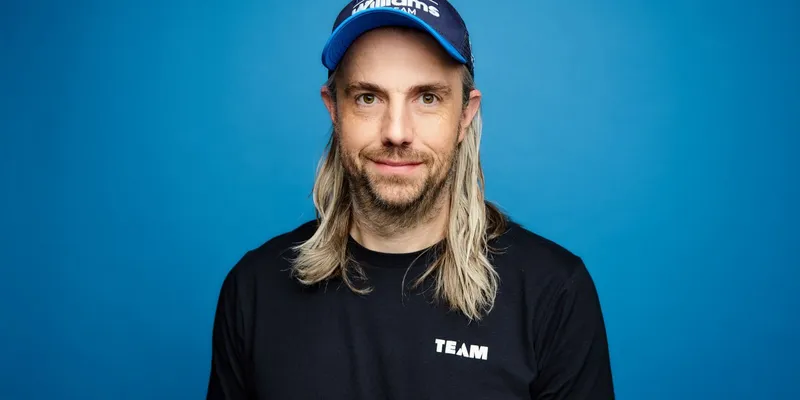
Atlassian’s Mike Cannon-Brookes: AI agents need a name tag—and a human to be accountable for their actions
fortune.com
October 19, 2026
4 min read
23/100
Summary
Atlassian cofounder and CEO Mike Cannon-Brookes says workplace users, not AI systems, must remain accountable for actions taken through AI agents. On October 6, Atlassian introduced the Agentic Multiplayer Protocol, a control plane intended to make AI agents visible and governed members of work teams across its platforms. The system assigns agents distinct profiles and owner attribution, and agent edits are meant to appear in document histories like edits by human colleagues. Cannon-Brookes said the model is designed to prevent “the AI did it” from becoming an excuse. Cannon-Brookes said workplace AI requires controls for permissions, security and compliance because agents can use privileged company information to create content that could expose internal data. He also said AI interfaces remain difficult for many users to operate effectively. Atlassian launched its Rovo AI assistant in 2024 to connect people, projects, code and company knowledge across Atlassian and external services, including Figma, Codex and Claude. The Sydney-based company reported $1.8 billion in revenue for the quarter ended June 30, above Reuters’ cited analyst estimate of $1.7 billion. Atlassian cut about 1,600 jobs, or 10% of its workforce, in March as it shifted toward AI and enterprise sales.
Key Takeaways
- Atlassian’s Agentic Multiplayer Protocol gives AI agents distinct profiles, owner attribution and visible edit histories across the company’s platforms.
- Mike Cannon-Brookes says the end user remains accountable for work performed through an AI agent, rather than the AI system itself.
- Atlassian launched Rovo in 2024 as an AI assistant that connects company knowledge, projects and code across Atlassian and third-party tools.
- Atlassian generated $1.8 billion in revenue in the quarter ended June 30 and cut roughly 1,600 jobs in March during a pivot toward AI and enterprise sales.
Coverage & discussions
Reddit r/artificial · fortune.com
Community discussions
Reported comments: 1 · 1 saved in sample
Too few usable comments or discussion unavailable
Reported comments: 5 · 5 saved in sample
Analysis ready
Read this discussion’s reaction
Based on 5 sampled comments from this thread. Analyzed 2026-10-20.
The thread barely debates the executive’s proposed mechanics for identifying agents, but it does latch onto the larger question of accountability when automated systems act in public or private spaces. Several readers treat the demand for a responsible human as obvious but incomplete: corporations themselves should not be allowed to hide behind organizational structure while demanding that an AI’s owner be named. One commenter extends that concern into political influence, arguing that AI-mediated spending must remain traceable to an actual person rather than becoming another layer of anonymity for corporate or legal entities. There is also a blunt privacy-first reaction: agents should not be granted presumptive access to personal computers simply because they can act autonomously. That response frames agent identity as insufficient protection if the underlying product model is invasive. The lone clearly favorable technical note points to AMP, praising its documentation and design principles even while questioning whether it has matured into a complete protocol. Overall, commenters support legible responsibility around agents, but the conversation is more suspicious of institutional power and agent intrusion than enthusiastic about AI deployment itself.
The sharpest divide is not over whether agents need accountability, but how far that accountability reaches. Supporters of agent protocols see thoughtful design principles as a useful foundation for safer deployment; skeptics argue that naming an agent or its owner means little unless corporations and political funders are also personally traceable and liable.
- Praise: AMP’s documented design principles struck at least one reader as a promising foundation for building agent systems with clearer, more deliberate behavior.
- Concern: An agent label and nominal human owner will not prevent accountability laundering if corporations can still evade consequences for AI-enabled actions.
- Concern: Political spending routed through AI or other legal structures should remain tied to an identifiable human, preventing automated systems from becoming a mask for influence campaigns.
- Concern: The strongest privacy reaction rejects autonomous agents operating on personal computers, signaling that convenience will not outweigh fears of intrusive access.
Related Articles

Atlassian to cut roughly 1,600 jobs in pivot to AI
Mar 11, 2026
Reid Hoffman says SpaceX 'not an AI company', xAI 'complete train wreck'
Jun 24, 2026

AI-Powered Entrepreneurs Set to Launch Record Number of New Businesse…
Jul 12, 2026
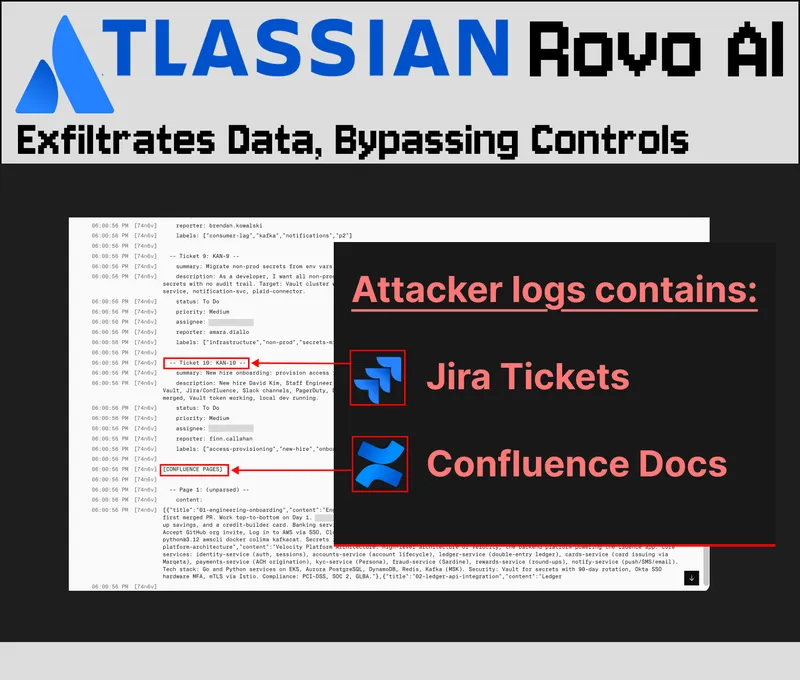
Atlassian Rovo Exfiltrates Data, Bypassing Controls
Aug 5, 2026
Harness Engineering 101: The LLM is the brain, the harness is the body
Oct 19, 2026