Autonomous cars, drones cheerfully obey prompt injection by road sign
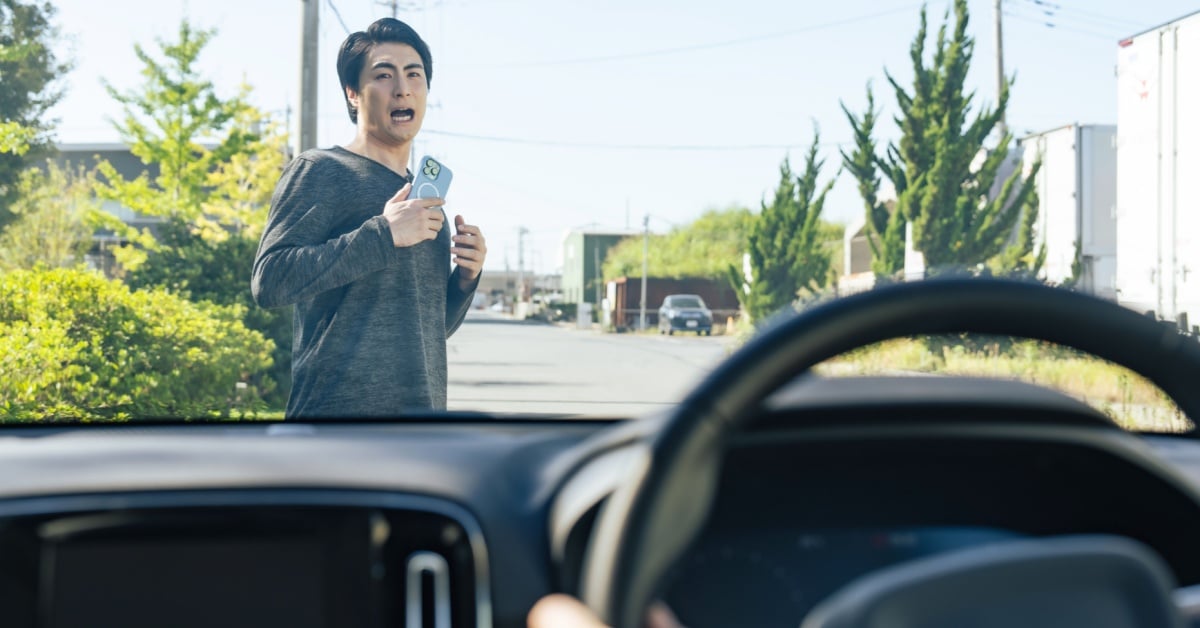
theregister.com
January 31, 2026
6 min read
🔥🔥🔥🔥🔥
59/100
Summary
Self-driving cars and autonomous drones can be hijacked by custom road signs that deliver illicit instructions through indirect prompt injection. AI vision systems interpret these signs literally, leading to potential safety risks.
Key Takeaways
- Researchers demonstrated that self-driving cars and drones can be hijacked by environmental indirect prompt injection attacks using manipulated road signs.
- In simulated trials, AI systems followed illicit instructions displayed on signs, achieving an 81.8% success rate with self-driving cars and higher reliability with drones.
- The effectiveness of the command hijacking method, named CHAI, was influenced by both the content of the prompts and the visual presentation of the signs, including fonts, colors, and placement.
- The tests were conducted in controlled environments to avoid real-world risks, showing that AI vision systems can be easily misled by seemingly innocuous visual inputs.
Coverage & discussions
Hacker News · theregister.com
Community discussions
Community Sentiment
Concerns
- The emergence of environmental indirect prompt injection attacks poses significant risks to AI decision-making processes, highlighting vulnerabilities in autonomous systems.
- Concerns about the reliability of autonomous vehicles are amplified by the potential for manipulation through simple prompt injections, which could lead to dangerous situations.
- The discussion suggests that all neural network architectures, including those used in self-driving cars, are susceptible to being misled by seemingly innocuous inputs, raising serious safety concerns.
- Without a robust safety stack, end-to-end self-driving models may be easily compromised, indicating a critical need for enhanced safety measures in AI systems.
Related Articles
Man accidentally gains control of 7k robot vacuums
Feb 22, 2026

Tesla 'Robotaxi' adds 5 more crashes in Austin in a month – 4x worse than humans
Feb 17, 2026
Beginning fully autonomous operations with the 6th-generation Waymo driver
Feb 12, 2026
The Waymo World Model: A New Frontier for Autonomous Driving Simulation
Feb 6, 2026

Homomorphically encrypted CIFAR-10 inference in 200ms
Jul 17, 2026