CAPTCHAs can still detect AI agents
research.roundtable.ai
May 29, 2026
4 min read
🔥🔥🔥🔥🔥
48/100
Summary
AI systems can surpass humans in various tasks but utilize different cognitive processes, allowing for the detection of AI agents and bots. Despite advancements in AI, CAPTCHAs remain effective in certain scenarios, as visual language models can recognize specific objects but may struggle with more complex tasks that require human-like reasoning.
Key Takeaways
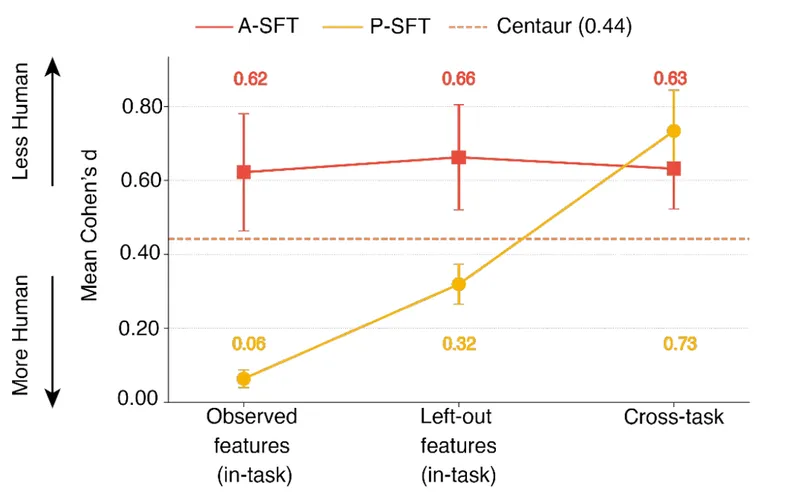
- AI systems can solve CAPTCHAs but do so through different cognitive processes than humans, allowing for detection of AI agents based on error patterns and click behaviors.
- The study introduced CogCAPTCHA30, which combines traditional CAPTCHAs with cognitive psychology tasks to measure both output and process equivalence between humans and AI.
- State-of-the-art AI models like OpenAI's GPT and Anthropic's Claude exhibit less similarity to human cognitive processes compared to smaller models like Qwen and Centaur.
- The research proposes a Process Turing Test to evaluate whether machines produce processes indistinguishable from humans, highlighting the independence of AI capability from human-like behavior.
Coverage & discussions
Hacker News · research.roundtable.ai
Community discussions
Community Sentiment
Positives
- Some users find that certain CAPTCHA systems, like the anime girl captcha, provide a more user-friendly experience without the frustration of long verification times.
- There are potential use cases for CAPTCHAs that can still add value in distinguishing between human and AI interactions, despite the challenges.
Concerns
- CloudFlare's Turnstile has been criticized for its ineffectiveness in detecting AI agents, leading to an increase in spam on public-facing applications.
- Many users express frustration with the time-consuming nature of CAPTCHAs, which detracts from the overall user experience and may drive users away from sites.
- The current CAPTCHA systems may inadvertently harm user anonymity while failing to effectively prevent abusive behavior, raising ethical concerns.