Claude Code – Everything You Can Configure That the Docs Don't Tell You
buildingbetter.tech
May 29, 2026
14 min read
🔥🔥🔥🔥🔥
63/100
Summary
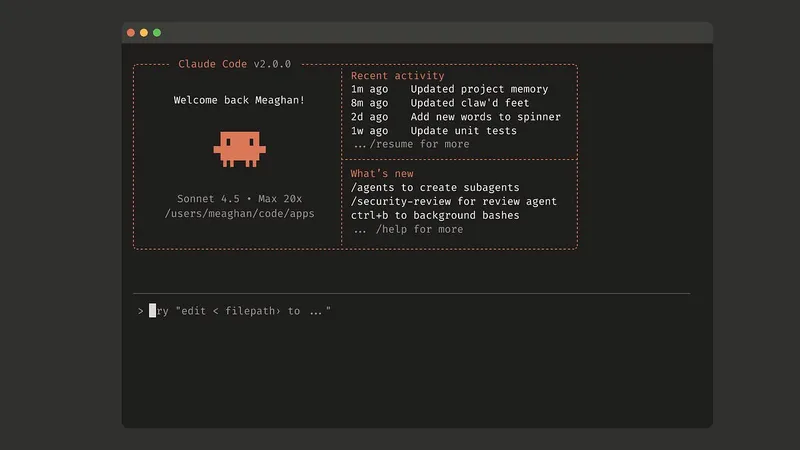
Claude Code includes configurable features such as hook fields for rewriting commands mid-flight, persistent agent memory, and self-improving dream loops. The auto-mode permission system, referred to as the "YOLO Classifier," can be configured using plain English descriptions of the environment.
Key Takeaways
- Claude Code includes an auto-mode permission system called the "YOLO Classifier," which can be configured using plain English descriptions to determine safe auto-approvals.
- The source code reveals numerous undocumented capabilities, such as hooks that can modify commands mid-execution and inject context into conversations.
- Fields marked as "EXPERIMENTAL" in the source code are flagged as unstable and may change between releases.
- Project-level files in the .claude/ directory can be shared via git, while personal files in ~/.claude/ remain private.
Coverage & discussions
Hacker News · buildingbetter.tech
Community discussions
Community Sentiment
Positives
- Claude Code's rapid release cycle, with ten new versions weekly, indicates a commitment to continuous improvement and adaptation, which is essential for staying relevant in AI development.
- The feature cardinality of Claude Code is impressive, suggesting a robust capability to handle diverse tasks and configurations, which could enhance user experience and flexibility.
Concerns
- Frequent changes in Claude Code can break undocumented configurations, leading to instability and frustration for users who rely on specific setups.
- Users report that Claude Code often gives up on complex tasks, which undermines its effectiveness compared to competitors like Codex that can persist through challenging projects.