EmDash – a spiritual successor to WordPress that solves plugin security
blog.cloudflare.com
April 1, 2026
14 min read
🔥🔥🔥🔥🔥
71/100
Summary
EmDash is a new platform designed as a successor to WordPress, aiming to enhance plugin security. The project has been developed using AI coding agents and seeks to rebuild the WordPress open-source framework from the ground up.
Key Takeaways
- EmDash is a new open-source CMS developed as a successor to WordPress, written entirely in TypeScript and designed to be serverless while allowing deployment on any platform.
- EmDash addresses the security issues inherent in WordPress plugins by running each plugin in its own isolated sandbox, significantly reducing the risk of vulnerabilities.
- EmDash is fully compatible with WordPress functionality but does not use any WordPress code, allowing it to be licensed under the more permissive MIT license.
- The WordPress plugin architecture is responsible for 96% of security issues in WordPress sites, with a significant increase in high severity vulnerabilities reported in 2025.
Coverage & discussions
Hacker News · blog.cloudflare.com
Community discussions
Community Sentiment
Positives
- EmDash's plugin isolation via Dynamic Workers addresses a significant security issue in traditional CMS architectures, potentially enhancing the safety of web applications.
- The use of TypeScript and serverless architecture in EmDash could streamline development processes, making it more appealing to modern developers.
Concerns
- The reliance on Cloudflare's runtime for plugin isolation raises concerns about vendor lock-in, limiting the flexibility of EmDash for users on other hosting platforms.
- The perceived lack of a robust support ecosystem for EmDash compared to WordPress may hinder its adoption and long-term viability in the market.
Related Articles
EmDash: A Fresh Take on CMS
Apr 2, 2026

OpenCode – The open source AI coding agent
Mar 20, 2026
Putting Linux on my RTX Spark laptop because I don't have a Microsoft account
Oct 19, 2026
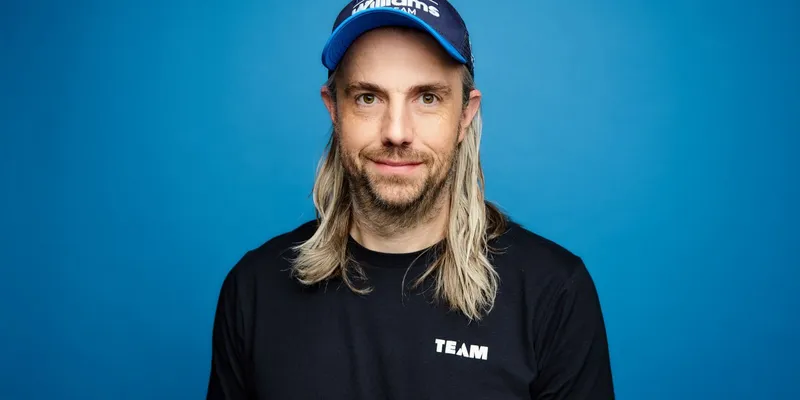
Atlassian’s Mike Cannon-Brookes: AI agents need a name tag—and a human to be accountable for their actions
Oct 19, 2026

The reverts will continue until morale improves
Oct 19, 2026