Game Theory Patterns at Work (2016)

daeus.blog
February 9, 2026
13 min read
54/100
Summary
Strategies and execution within organizations are interdependent, with outcomes influenced by individual actions and expectations. Game theory provides a framework for recognizing patterns in complex decision-making scenarios, despite the rarity of formal solutions in real-world situations.
Key Takeaways
- In organizations, strategies and execution are interdependent, and outcomes depend on the actions and expectations of others.
- Behavior in organizations is driven by rewards and incentives rather than intentions, leading to cultures that may not align with desired outcomes.
- Many organizational failures arise from locally rational decisions within poorly designed systems, where incentives shape behavior in unintended ways.
- Effective leadership involves designing mechanisms that align rules with positive outcomes, rather than allowing competition to foster negative behaviors.
Coverage & discussions
Hacker News · daeus.blog
Community discussions
Historical count: 2 · 2 saved in sample · Historical sample
Awaiting analysis
Related Articles

How to think about software quality (2022)
Jul 29, 2026
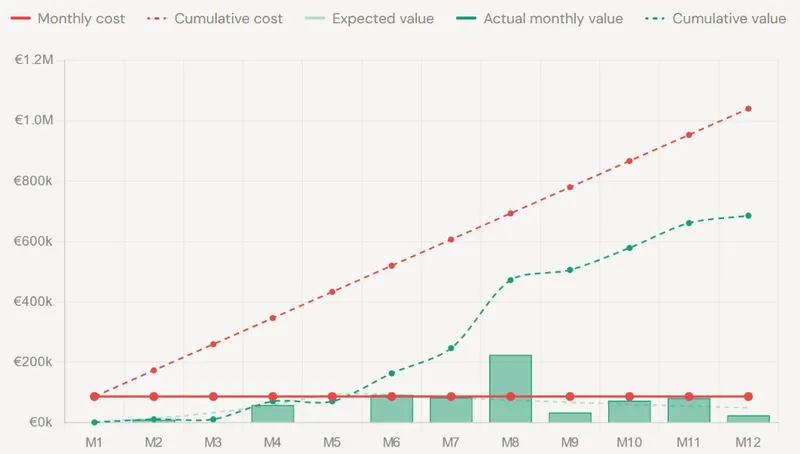
The economics of software teams: Why most engineering orgs are flying blind
Apr 13, 2026

Engineering management after the cost of code collapsed
Jul 25, 2026

How will OpenAI compete?
Feb 25, 2026

Why Software Factories Fail (or: harness engineering is not enough)
Jul 23, 2026