How Liminalism Became the Defining Aesthetic of Our Time
hyperallergic.com
June 7, 2026
9 min read
🔥🔥🔥🔥🔥
57/100
Summary
Liminalism is a crowd-curated digital movement reflecting reactions to dystopian late capitalism. The Century III Mall in West Mifflin, Pennsylvania, once the third-largest shopping center in the world, closed seven years ago and would be nearing its 50th anniversary.
Key Takeaways
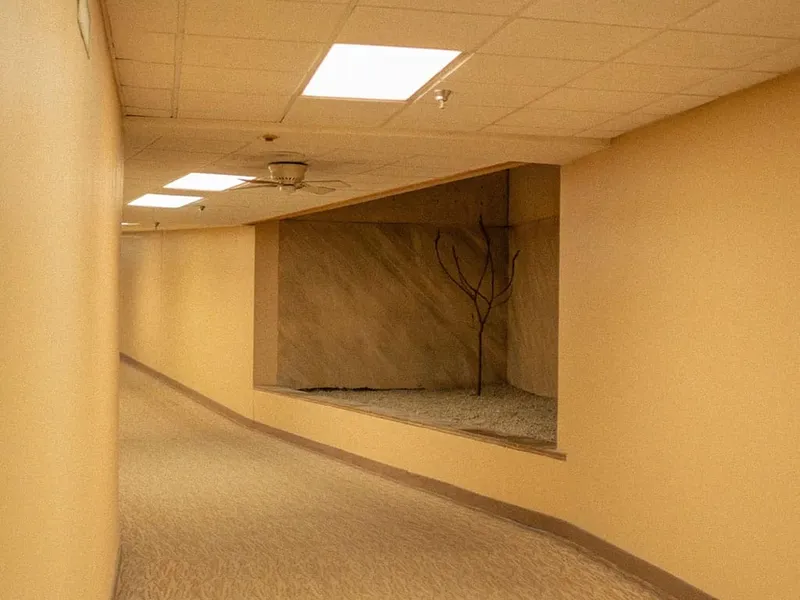
- Liminalism is a crowd-curated digital movement that reflects reactions to dystopian late capitalism through the exploration of uncanny, empty spaces.
- The aesthetic of liminality is characterized by images of abandoned locations, evoking feelings of discomfort and nostalgia.
- The concept of "The Backrooms," originating from a 2019 Creepypasta, illustrates a purgatorial realm of non-spaces devoid of human presence, contributing to the liminal aesthetic.
- The absence of humans in liminal imagery creates an alienating experience, resonating with themes of personal loneliness and apocalyptic scenarios.
Coverage & discussions
Hacker News · hyperallergic.com
Community discussions
Community Sentiment
Positives
- The connection between liminal spaces and AI's latent space concept highlights how generative AI blends diverse human experiences, showcasing the potential for creativity and exploration in unexpected ways.
Concerns
- Labeling liminalism as the 'defining' aesthetic of our time seems exaggerated, as it appears to be just another niche aesthetic rather than a widespread cultural phenomenon.
- The article overlooks the fact that liminal spaces often lack the intended eerie quality when they are populated, suggesting that the aesthetic relies heavily on emptiness to evoke its unsettling nature.