How vibe coding is killing open source

hackaday.com
February 3, 2026
3 min read
🔥🔥🔥🔥🔥
48/100
Summary
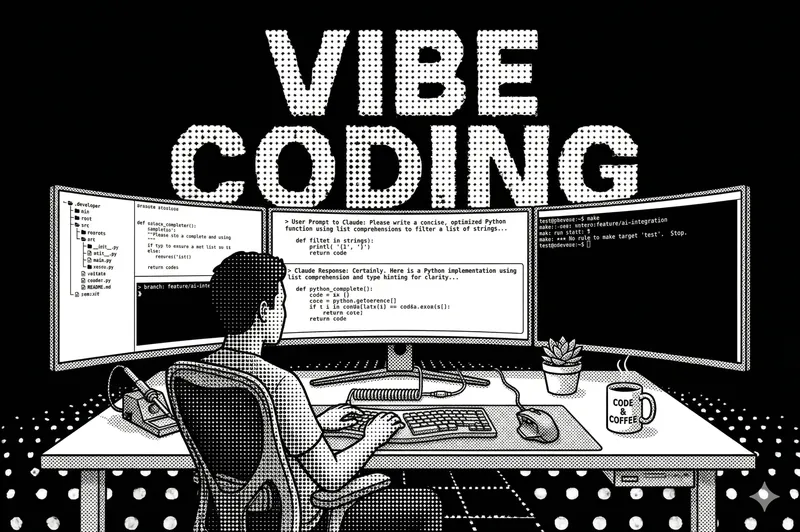
Vibe coding, defined as software development assisted by LLM-backed chatbots, risks undermining the Open Source ecosystem by diverting user interaction away from OSS projects. A pre-print paper by researchers indicates that vibe coding also complicates the initiation of new OSS projects.
Key Takeaways
- Vibe coding, defined as software development assisted by LLM-backed chatbots, risks undermining the Open Source ecosystem by reducing user interaction with OSS projects and complicating the initiation of new projects.
- The reliance on LLMs for coding leads to a decrease in visits to popular project websites and community forums, as interactions shift to chatbot interfaces.
- Studies indicate that vibe coding may increase the number of bugs in software, with reports showing a 19% reduction in productivity among developers using these tools.
- The impact of vibe coding is expected to be most pronounced in software ecosystems like JavaScript and Python, where the audience is more inclined to use LLM-assisted development.
Coverage & discussions
Hacker News · hackaday.com
Community discussions
Community Sentiment
Positives
- The decrease in barriers to entry for coding encourages more participation in open-source efforts, which can lead to better tools and innovations driven by AI capabilities.
- The belief in open-source as an ideology remains strong, regardless of how code is created, whether by hand or through LLMs, emphasizing the importance of sharing knowledge.
Concerns
- Many developers are hesitant to open-source their code due to concerns about it being used for training large language models, which could stifle collaboration.
- The rise of LLM-generated contributions may lead to a decline in quality, with verbose pull requests that do not genuinely enhance the open-source community.