I ported Kubernetes to the browser
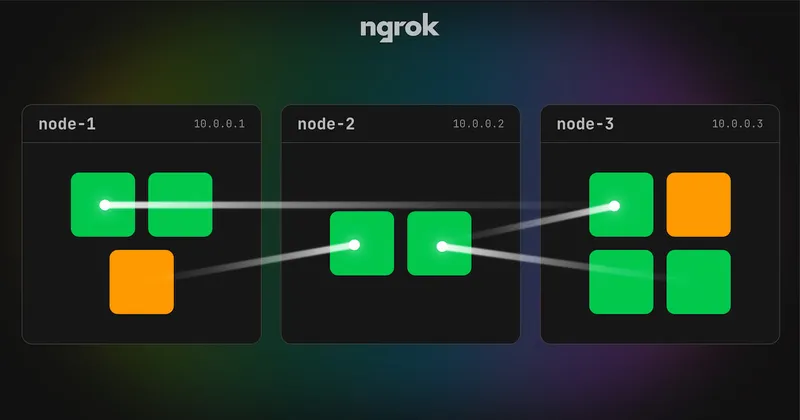
ngrok.com
June 30, 2026
13 min read
63/100
Summary
A partial port of Kubernetes, named webernetes, has been developed in TypeScript to enable running clusters directly in the browser. The implementation includes features such as pod lifecycles, cluster DNS and networking, container garbage collection, and IP allocation, generating nearly 100,000 lines of code over 552 commits.
Key Takeaways
- Webernetes is a partial port of Kubernetes to TypeScript, allowing clusters to run entirely in the browser.
- The project generated approximately 100,000 lines of code in 552 commits over two months.
- Webernetes does not compile Kubernetes to WebAssembly; instead, it uses a custom browser-based registry for defining images.
- The tool is designed for creating interactive Kubernetes content and is not intended for production use.
Coverage & discussions
Hacker News · ngrok.com
Community discussions
Community Sentiment
Positives
- The ability to run Kubernetes in the browser opens up new avenues for educational content, making complex concepts more accessible to learners.
- The project could serve as a valuable alternative to existing platforms that have become paywalled, potentially democratizing access to Kubernetes training.
- There's a growing trend of using AI to rewrite existing systems in more efficient programming languages like Rust, which could enhance performance and maintainability.
Concerns
- Concerns about the practicality of running Kubernetes in the browser arise, as it may require extensive custom work to function effectively.
- The risk of the project becoming outdated is significant, which could limit its long-term relevance in the rapidly evolving tech landscape.
Related Articles

Building for an audience of one: starting and finishing side projects with AI
Feb 17, 2026

I built a programming language using Claude Code
Mar 10, 2026

Rust Glancer: Rust LSP using 100x less RAM
Aug 21, 2026
Extensible Software in the age of LLMs
Aug 19, 2026
Why Software Factories Fail (or: harness engineering is not enough)
Jul 23, 2026