I tried to prove I'm not AI. My aunt wasn't convinced
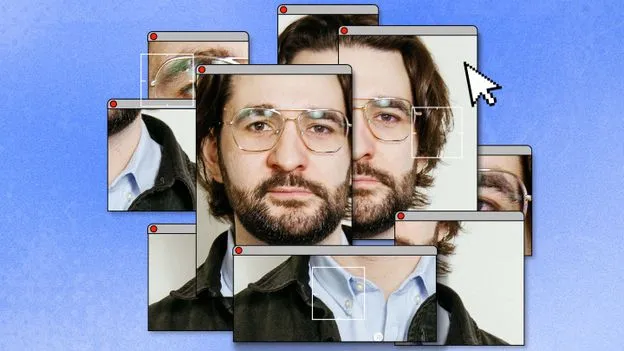
bbc.com
March 25, 2026
9 min read
🔥🔥🔥🔥🔥
56/100
Summary
AI deepfakes have become so convincing that even close relatives, like an aunt, may struggle to distinguish between a real person and a deepfake. A sitting prime minister also faced challenges proving his authenticity amid concerns over AI-generated impersonations.
Key Takeaways
- AI-generated voices have become so convincing that even close relatives may struggle to differentiate between a real person and a deepfake.
- Israeli Prime Minister Benjamin Netanyahu faced public skepticism about his authenticity after a video led to rumors of his death, prompting him to post proof-of-life videos.
- Experts confirmed that Netanyahu's videos were real, attributing any oddities, like a perceived sixth finger, to light reflection rather than AI manipulation.
- The challenge of proving one's authenticity in the age of AI deepfakes raises concerns about personal identity and trust.
Coverage & discussions
Hacker News · bbc.com
Community discussions
Community Sentiment
Concerns
- The inability to distinguish between AI and humans in video calls raises significant trust issues, potentially undermining personal and professional interactions.
- Concerns about the authenticity of online information are growing, as AI-generated content could lead to widespread misinformation and a lack of trust in digital communications.
- The idea that spotting AI is becoming irrelevant highlights the challenges we face in discerning reality from AI fabrications, which could have serious implications for society.
Related Articles
Why AI companies want you to be afraid of them
Apr 29, 2026
The Three-Second Theft: Why AI Voice Fraud Outruns Every Defence
Jul 15, 2026
Palantir Wants to Reinstate the Draft
Apr 20, 2026
Marriage over, €100,000 down the drain: the AI users whose lives were wrecked by delusion
Mar 26, 2026

You Do Not, in Fact, Have to Hand It to Them
Mar 28, 2026