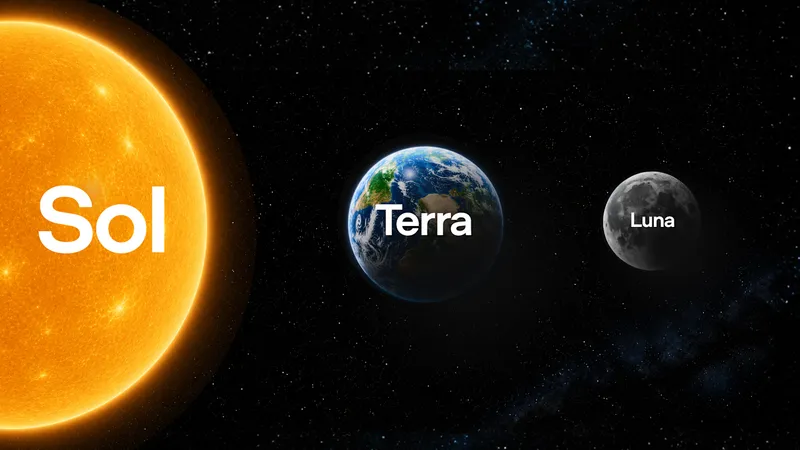
Improving GPT‑5.6 Sol in ChatGPT, expanding GPT‑5.6 Luna access for free users
openai.com
August 6, 2026
4 min read
🔥🔥🔥🔥🔥
62/100
Summary
Updates to ChatGPT enhance GPT-5.6 Sol for Plus and Pro users, improving reliability with facts and focus in responses. A new slider feature allows users to adjust the level of thought ChatGPT invests in each answer, while access to GPT-5.6 Luna is expanded for free users.
Key Takeaways
- OpenAI has updated ChatGPT to include GPT‑5.6 Sol for Plus and Pro users, enhancing reliability in factual accuracy and providing more focused answers.
- Free users will now have access to GPT‑5.6 Luna as the default model, featuring unlimited text chats and a new Think button for more complex questions.
- The new GPT‑5.6 Sol model reduces factual errors by approximately 62% compared to GPT‑5.5 Instant in evaluations of financial, medical, and legal prompts.
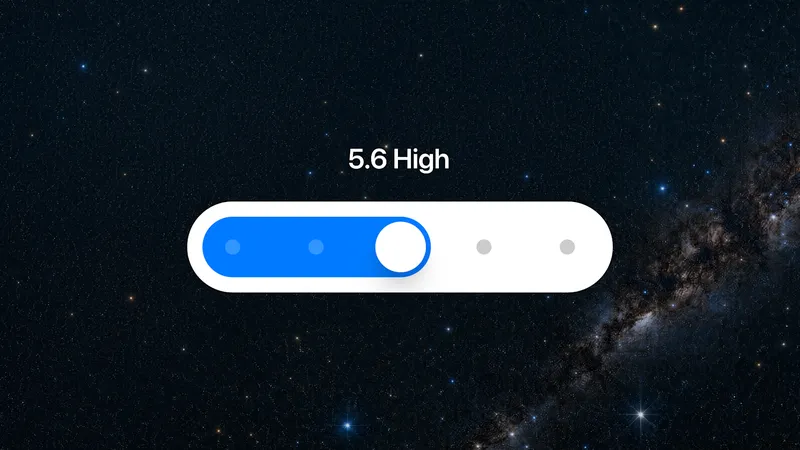
- A slider feature allows Plus and Pro users to adjust the level of thought ChatGPT applies to responses, catering to both quick questions and more detailed inquiries.
Coverage & discussions
Hacker News · openai.com
Community discussions
Community Sentiment
Positives
- Free unlimited Luna is a pretty badass move — giving more users access to a top-tier model is a game changer.
- Going from 5.5 Instant to 5.6 Luna is a big jump, and it’s a win for users who need better performance.
- Any improvement to the ChatGPT free plan is really nice — many people haven't experienced a state-of-the-art model yet.
- The broad access to reasoning for free users could reshape how we interact with AI, making it more accessible and impactful.
Concerns
- The myriad of reasoning levels is confusing, leaving users unsure about which model to choose for their needs.
- Commenters worry that the reasoning button's removal indicates a lack of clarity in OpenAI's model offerings.
- Some believe the free tier models are not truly competitive, raising concerns about the quality of AI interactions for non-paying users.
- There's skepticism about the implications of calling these models AGI, with doubts about their actual capabilities compared to human intelligence.