Iran war energy shock sparks global push to reduce fossil fuel dependence
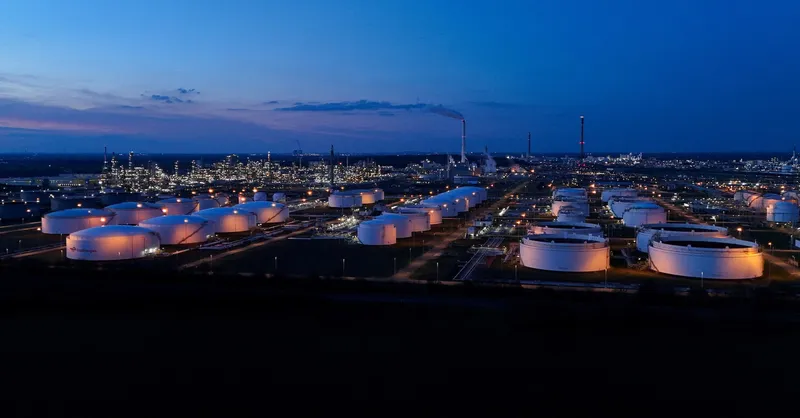
reuters.com
March 19, 2026
7 min read
63/100
Summary
The Iran war has prompted global policymakers to reconsider strategies for reducing reliance on fossil fuels, including expanding nuclear energy and renewables, increasing strategic stockpiles, boosting domestic production, and diversifying supply sources. The closure of the Strait of Hormuz following U.S. and Israeli attacks on February 28 marks the third significant energy shock this decade.
Key Takeaways
- The Iran war has led to a significant energy shock, prompting global policymakers to reconsider their dependence on oil and gas imports.
- Approximately 20% of the world's oil and liquefied natural gas supply has been blocked due to Iran's closure of the Strait of Hormuz, causing global crude oil prices to exceed $100 a barrel.
- Major energy consumer nations are planning to diversify their energy supply sources and are reviving interest in nuclear energy and renewables to enhance energy security.
- Asia is particularly affected by the energy crisis, with countries like Taiwan and Japan considering the restart of nuclear reactors to reduce reliance on fossil fuels.
Coverage & discussions
Hacker News · reuters.com
Community discussions
Community Sentiment
Positives
- The war has accelerated the push for renewable energy, highlighting its importance in reducing fossil fuel dependence.
- Renewables offer the advantage of sustainable energy once infrastructure is established, reducing the need for continuous fuel imports.
Concerns
- It's disheartening that the US continues to invest in fossil fuels despite the pressing need for change.
- The slow pace of implementing electric vehicle infrastructure and charging stations is frustrating for those eager to transition to greener options.
Related Articles
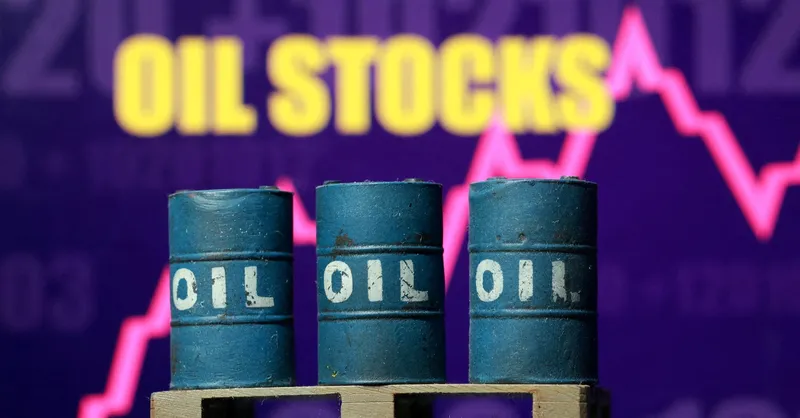
Traders place $760M bet on falling oil ahead of Hormuz announcement
Apr 18, 2026
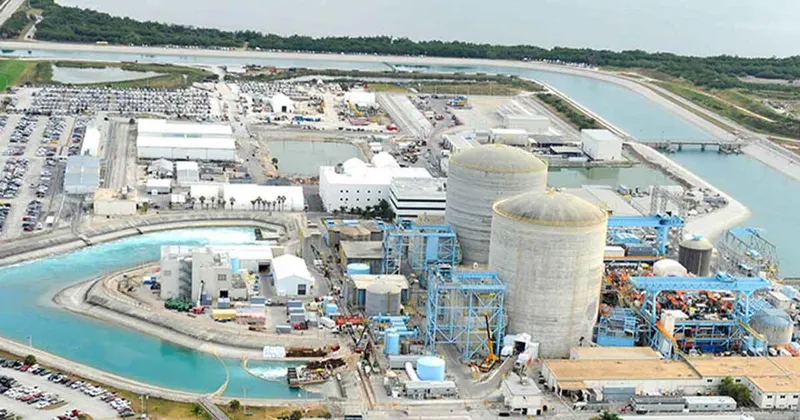
St Lucie Nuclear Reactor Unit 1 manually shutdown, 3 control rods drop into core
Aug 16, 2026

New Amazon Data Center Is Set to Have the Most Polluting Power Plant in the U.S.
Aug 8, 2026
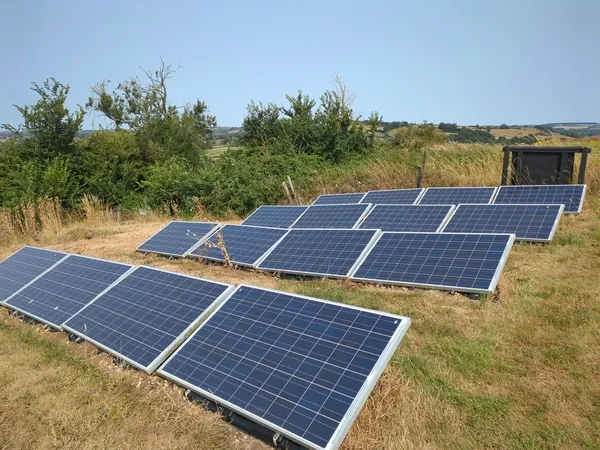
Should you wash your solar panels?
Jul 27, 2026
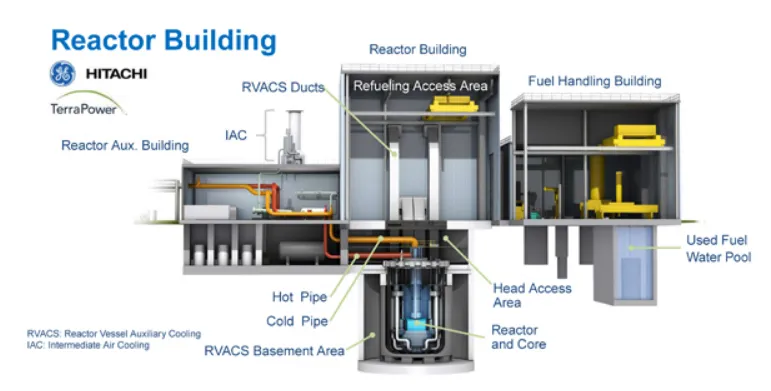
TerraPower in Deal with Meta for Eight Natrium 345 MW Advanced Nuclear Plants
Jun 18, 2026