Is legal the same as legitimate: AI reimplementation and the erosion of copyleft
writings.hongminhee.org
March 9, 2026
11 min read
🔥🔥🔥🔥🔥
69/100
Summary
Dan Blanchard released version 7.0 of chardet, a Python library for detecting text encodings, which is now 48 times faster and supports multiple cores. The library's license has changed from LGPL to MIT, with Anthropic's Claude listed as a contributor.
Key Takeaways
- Dan Blanchard released version 7.0 of the chardet library, which is 48 times faster than the previous version and supports multiple cores, with a license change from LGPL to MIT.
- The new version of chardet was reimplemented using AI, with less than 1.3% similarity to prior versions, leading Blanchard to conclude it is an independent work not bound by LGPL.
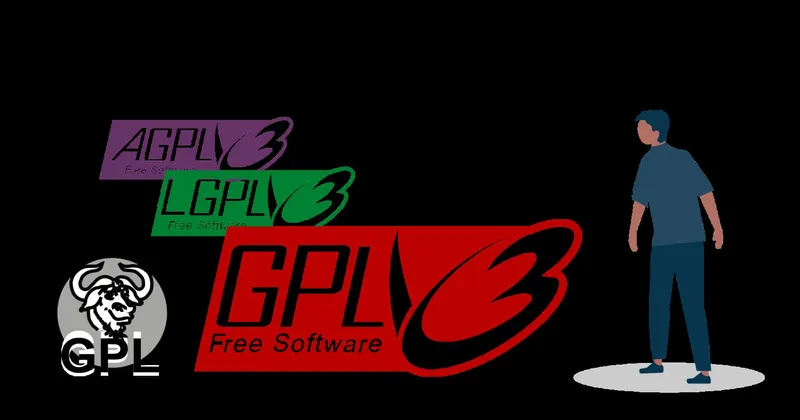
- The shift from a copyleft license to a permissive license for chardet 7.0 removes the obligation for derivative works to share their source code, potentially eroding the commons.
- The legal permissibility of AI-assisted reimplementation does not equate to its legitimacy, as it may undermine the principles of open-source software.
Coverage & discussions
Hacker News · writings.hongminhee.org
Community discussions
Community Sentiment
Positives
- The discussion around AI's impact on copyright raises important questions about the future of software licensing and the value of intellectual property in a rapidly evolving landscape.
- The notion that AI can reimplement software without direct reference to the original code challenges traditional views on copyright and could lead to new paradigms in software development.
Concerns
- AI's ability to erode copyright protections may undermine the foundational principles of copyleft, suggesting a potential crisis for open-source software licensing.
- The reduction in coding costs could lead to a future where software loses its value, making licensing irrelevant and diminishing the incentive for developers to create original work.