Last gasps of the rent seeking class?

geohot.github.io
March 27, 2026
5 min read
🔥🔥🔥🔥🔥
56/100
Summary
The U.S. economy has developed a significant rent-extraction layer that exploits human limitations, such as time constraints and brand familiarity. Trillions of dollars in enterprise value rely on these constraints continuing to exist.
Key Takeaways
- The U.S. economy has developed a significant rent-extraction layer that exploits human limitations, leading to trillions of dollars in enterprise value dependent on this system.
- AI is positioned as a potential equalizer of time, challenging the existing market dynamics that rely on consumer time asymmetry for profit.
- The AI supply chain consists of five tiers: electricity, chip manufacturing, chip design/software, models, and applications, with the application tier being highly commoditized.
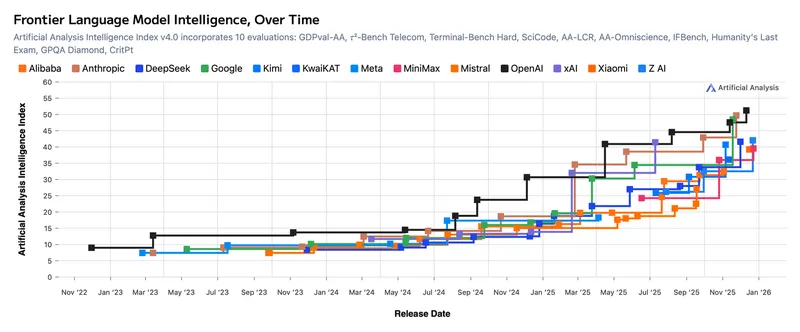
- The current landscape suggests that the dominance of U.S. AI companies may be challenged by emerging models from China, as the existing rent-seeking practices are viewed as outdated.
Coverage & discussions
Hacker News · geohot.github.io
Community discussions
Community Sentiment
Positives
- LLMs have the potential to disrupt traditional marketplaces by enabling direct transactions between sellers and buyers, which could streamline commerce and reduce reliance on intermediaries.
- The evolution of AI tools may lead to more personalized and efficient applications, potentially transforming how users interact with technology and access services.
Concerns
- There is skepticism about the feasibility of widespread AI coding, as many users may prefer established tools that have undergone extensive human refinement over hastily generated solutions.
- Concerns exist that the shift towards AI-driven services may primarily benefit large tech companies, potentially exacerbating existing inequalities in the marketplace.