Levels of Agentic Engineering
bassimeledath.com
March 10, 2026
16 min read
🔥🔥🔥🔥🔥
61/100
Summary
AI's coding capabilities are advancing faster than effective utilization by engineering teams. Successful product development, such as Anthropic's Cowork, illustrates the importance of bridging the gap between AI capabilities and practical application.
Key Takeaways
- AI's coding ability is advancing faster than the ability of developers to effectively utilize it, leading to discrepancies between productivity metrics and coding benchmarks.
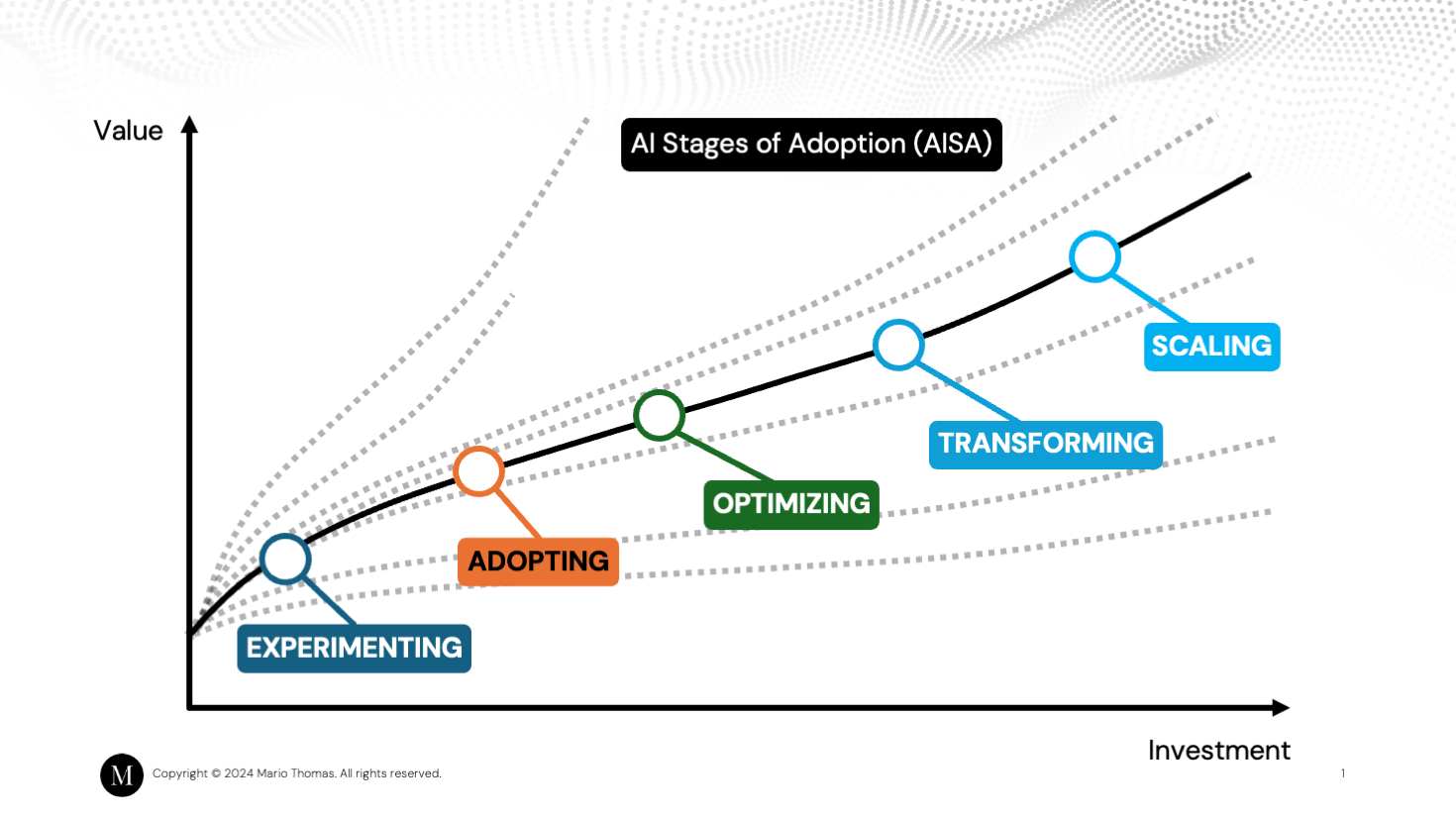
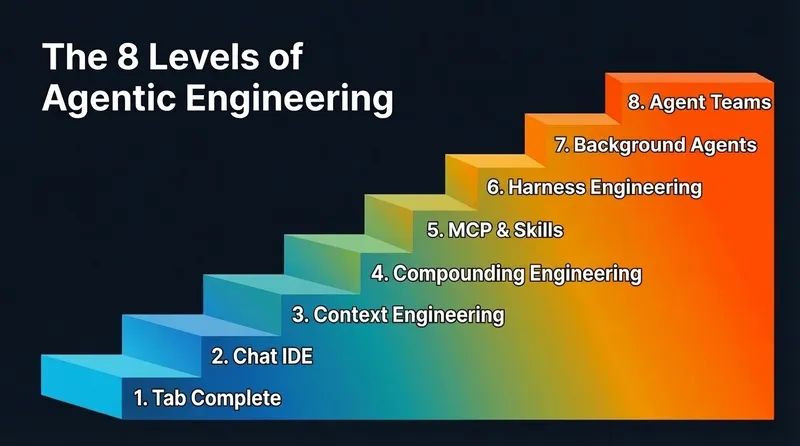
- There are eight levels of agentic engineering, each representing a significant leap in output and effectiveness in AI-assisted coding practices.
- The productivity of an individual developer is influenced by the skill level of their teammates, highlighting the importance of team development in maximizing output.
- Context engineering emerged as a critical practice when models became adept at processing instructions with optimal context, emphasizing the need for precise information density in prompts.
Coverage & discussions
Hacker News · bassimeledath.com
Community discussions
Community Sentiment
Positives
- The orchestration layer developed for code review showcases the potential of LLM agents to create dynamic benchmarks, enhancing performance evaluation and software development efficiency.
- The discussion around codifying lessons in software engineering highlights the importance of understanding decision-making processes, which can lead to better long-term outcomes in AI-driven development.
Concerns
- Skepticism about the reliance on LLM agents for software engineering raises concerns about the limitations of current AI capabilities in handling context-specific tasks effectively.
- The inability to communicate software requirements clearly is identified as a significant bottleneck, suggesting that even advanced AI tools may struggle without proper user input.