Making Claude a Chemist

anthropic.com
June 14, 2026
9 min read
🔥🔥🔥🔥🔥
49/100
Summary
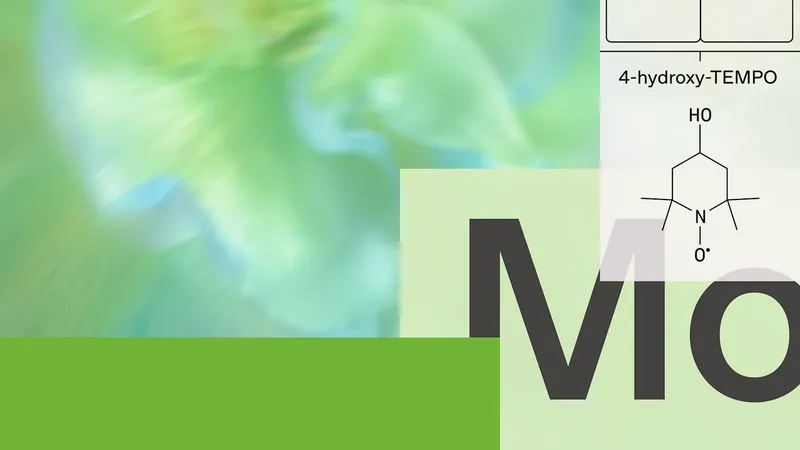
Claude is being enhanced for chemistry applications through collaboration with synthetic, computational, and analytical chemists. Initial work involves evaluating Claude's performance on interpreting NMR spectra, a common analytical input in chemistry.
Key Takeaways
- Anthropic is collaborating with chemists to enhance Claude's capabilities in chemistry, focusing on tasks like analyzing NMR spectra.
- AI models are becoming multimodal, allowing them to interpret chemical structures from various representations, including hand-drawn sketches and journal figures.
- Claude is beginning to assist chemists by streamlining the translation, recall, and integration of chemical information, despite ongoing data challenges in the field.
- The first white paper detailing Claude's applications in chemistry has been published, emphasizing its potential to aid in common analytical tasks.
Community Sentiment
Positives
- AI's potential in organic chemistry could revolutionize the field, as it excels at memorizing complex synthesis steps, which could streamline research and education.
- Open-source models are emerging that offer 80-90% of the performance of proprietary models at a fraction of the cost, enhancing accessibility to advanced AI tools.
- The discussion around AI's role in chemistry highlights the need for innovative approaches to tackle complex problems, potentially leading to breakthroughs in the discipline.
Concerns
- Concerns about AI's ability to handle the complexities of chemistry are valid, as the discipline's inherent 3D nature poses significant challenges for current models.
- There is a fear that unrestricted access to AI capabilities in chemistry could lead to dangerous applications, such as synthesizing harmful substances.
- The sentiment that AI may struggle with chemistry for the foreseeable future reflects skepticism about its ability to understand and manipulate intricate molecular structures.