Report · 404media.co
Manifestos, Fear, and 'Loser Thinking': Inside Proton's AI Reckoning

404media.co
Source published October 29, 2026
Summary: 2 min read
59/100
Summary
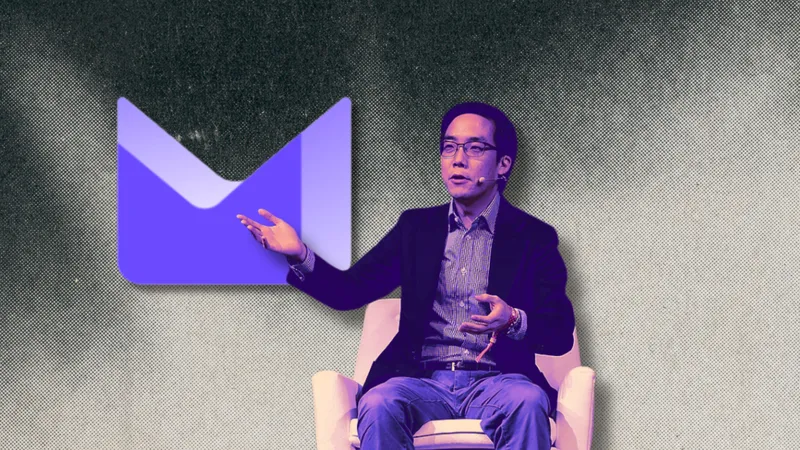
Proton CEO Andy Yen and CTO Bart Butler have accelerated an internal push to use artificial intelligence across the Swiss privacy company, which operates Proton Mail, encrypted storage, a password manager, an authenticator and the Lumo chatbot. Employees told 404 Media that the effort has created concern over security, job security and a culture in which staff hesitate to challenge leadership. Proton’s spokesperson did not dispute the reported events and said the company had sometimes been too blunt or slow to explain its direction. Yen told security staff in late August to stop “handcrafting” code and use AI more, calling requests to pentest newly written code before release “loser thinking.” He said Proton would stop hiring engineers after this year and instead hire people to build with AI. An internal policy permits AI for tasks including financial-data processing, customer responses and much code writing, subject to limits on competitively sensitive and R&D code. Butler said in an October meeting that AI wrote 90% of Proton’s code, with employees saying Claude is widely used. Butler’s internal AI manifesto said engineers should help language models produce code faster and that AI should review most code. Proton also began consequential re-interviews of employees about AI use. Internal documents cited insufficient velocity and underperformance against annual recurring revenue and growth targets. Employees said leadership’s AI demands and responses to criticism have made many afraid to raise concerns.
Key Takeaways
- Proton is pressing employees to adopt AI for coding and other internal work, while CEO Andy Yen says the company will stop hiring engineers after this year.
- Proton CTO Bart Butler said AI wrote 90% of the company’s code in October; employees said much of it was generated with Anthropic’s Claude.
- An internal Proton policy allows AI use for financial-data processing, customer communications and code, while restricting certain competitively sensitive and R&D source code.
- Proton has re-interviewed employees about their use of AI, and employees told 404 Media that the process could affect continued employment.
- Proton’s spokesperson said some employees are unhappy or anxious about the company’s direction and acknowledged that leadership has at times communicated too bluntly.
What the discussion said
The thread treated Proton’s AI push less as a product roadmap than as a breach of the bargain customers thought they were buying: private, dependable communications kept clear of Big Tech’s incentives. Most commenters saw leadership’s demand for more AI use and faster execution as chasing growth for its own sake, while treating quality objections as disloyalty. That is especially combustible for an email, VPN, and password-manager provider, where users expect conservative engineering and where a damaged reputation can prompt an immediate migration. A smaller thread of sympathy acknowledged the competitive pressure: if every rival uses AI to ship capabilities faster, Proton cannot simply ignore it without risking irrelevance. But that case found little purchase. Critics argued that a sustainable security company need not become a broad productivity platform or pursue an arms race in AI features; boring, reliable email is precisely the service they want. Several customers said they were considering alternatives or disabling renewals, and the reported leadership style deepened fears that AI adoption could erode security, reliability, and internal quality controls. The discussion broadly viewed the cultural fallout, not the technology alone, as the acute threat to Proton’s privacy brand.
Where opinion split
The central dispute is whether Proton must embrace AI aggressively to remain competitive. The pro-adoption case says AI-enabled rivals will outpace a reluctant company and eventually weaken even its security offering; the opposing case says Proton’s differentiator is trustworthy, restrained infrastructure, so AI-fueled velocity and product sprawl destroy the very reason customers pay for it.
Coverage & discussions
Hacker News · 404media.co
Community discussions
Community Sentiment
Positives
- AI-assisted development could help Proton avoid falling behind rivals that are using automation to ship competitive services faster.
- Some commenters recognize that refusing AI outright may leave a security provider unable to match the capabilities and operational pace customers increasingly expect.
Concerns
- For a provider entrusted with email, passwords, and VPN traffic, an aggressive AI agenda feels like an intolerable expansion of risk into users’ most sensitive data.
- Customers say Proton was valuable because it offered private, dependable email, not because it could imitate a Big Tech productivity suite with chatbots attached.
- Treating code quality concerns as resistance to AI signals that speed now outranks careful engineering, a dangerous trade for security-critical infrastructure.
- The AI push is accelerating customer exit plans because it makes Proton look less like a privacy alternative and more like another growth-hungry platform.