Open-source memory for coding agents, synced over SSH
github.com
July 15, 2026
6 min read
53/100
Summary
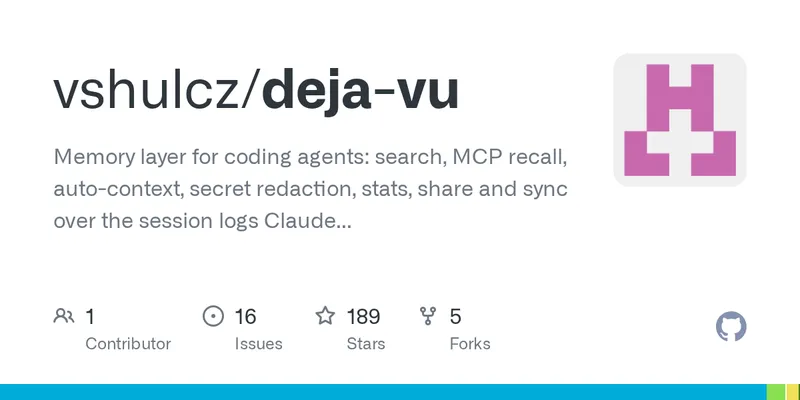
Deja-vu is a zero-dependency binary that creates a memory layer for coding agents, allowing users to search through extensive conversation histories generated by Claude Code, Codex, and opencode. It features a rapid search capability and a recall tool that enables agents to reference past solutions efficiently.
Key Takeaways
- Deja is a zero-dependency binary that creates a memory layer for coding agents, allowing users to search through gigabytes of historical data from previous conversations and design decisions.
- The tool features include agent recall, auto-recall, secret redaction, and session sharing, enabling efficient retrieval and management of coding information.
- Deja supports synchronization of memory between machines through export/import commands, ensuring that records are append-only and idempotent.
- Installation can be done via various package managers or directly through a shell command, making it easy to integrate with existing coding agents like Claude Code and Codex.
Community Sentiment
Positives
- The local storage approach is a game changer — it gives users full control over their memory, making it easy to inspect and edit.
- Deja's ability to index past agent sessions in seconds has commenters buzzing about efficiency in retrieving previously solved problems.
- Using a dictionary for memory retrieval is smart; it keeps things deterministic and focused on the exact details needed, unlike the chaos of semantic search.
Concerns
- Concerns are raised about blindly injecting memories across devices — that could easily introduce errors and compromise separation.
- Some users worry that filtering out signal from noise in memory systems is a significant challenge that hasn't been adequately addressed.
Related Articles
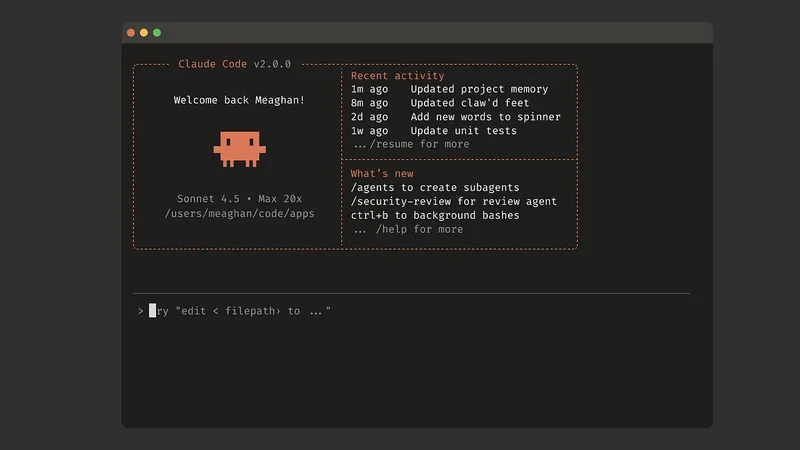
Claude Code – Everything You Can Configure That the Docs Don't Tell You
May 29, 2026
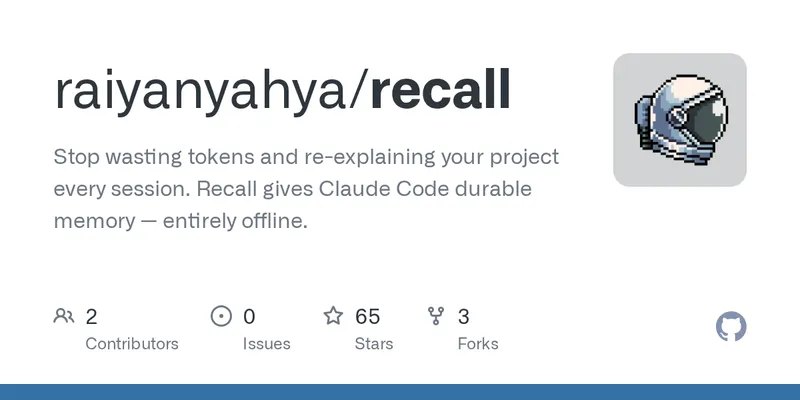
Stop wasting tokens and re explaining your project between sessions
Jun 21, 2026
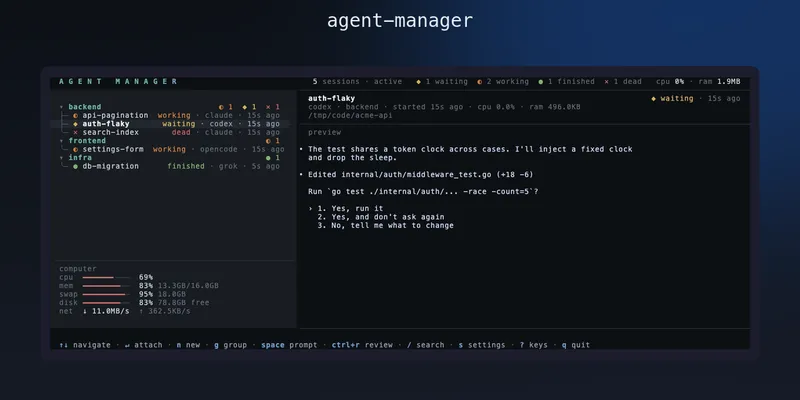
Agent-Manager: A Tmux TUI for Running Claude Code, Codex and OpenCode
Jul 30, 2026

Open source memory layer so any AI agent can do what Claude.ai and ChatGPT do
Apr 25, 2026
Get Shit Done: A Meta-Prompting, Context Engineering and Spec-Driven Dev System
Mar 17, 2026