Pi – a minimal terminal coding harness

pi.dev
February 24, 2026
3 min read
🔥🔥🔥🔥🔥
69/100
Summary
Pi is a minimal terminal coding harness that can be adapted to various workflows and extended with TypeScript extensions, skills, prompt templates, and themes. It operates in four modes: interactive, print/JSON, RPC, and SDK, and allows users to build custom solutions or install packages for specific needs.
Key Takeaways
- Pi is a minimal terminal coding harness that allows users to adapt it to their workflows through TypeScript extensions, skills, prompt templates, and themes.
- Pi supports four modes: interactive, print/JSON, RPC, and SDK, enabling various integration and usage scenarios.
- Users can switch models mid-session, manage sessions as trees, and customize context management through extensions.
- Pi's extensibility allows users to build features typically baked into other tools, such as sub-agents and permission gates, by creating their own extensions or installing third-party packages.
Coverage & discussions
Hacker News · pi.dev
Community discussions
Community Sentiment
Positives
- Pi's self-extensibility allows users to customize their experience, making it a versatile tool for various applications.
- The design choices made in Pi are praised for their effectiveness, indicating a well-thought-out architecture that meets user needs.
- Using Pi for smaller tasks is efficient due to its shorter system prompts, which enhances performance compared to larger models like Claude or Codex.
- The community's interest in building a user-friendly UI around Pi highlights its potential for broader accessibility and usability.
Concerns
- The absence of features like sub-agents and plan mode raises concerns about the tool's capability for complex task management.
Related Articles

Opinionated and easy Pi.dev configuration
Jul 9, 2026
Pi for Excel: AI sidebar add-in for Excel
Feb 20, 2026
Clawdbot - open source personal AI assistant
Jan 26, 2026
Agentic coding deserves more than a chat box bolted onto VS Code
Jun 17, 2026
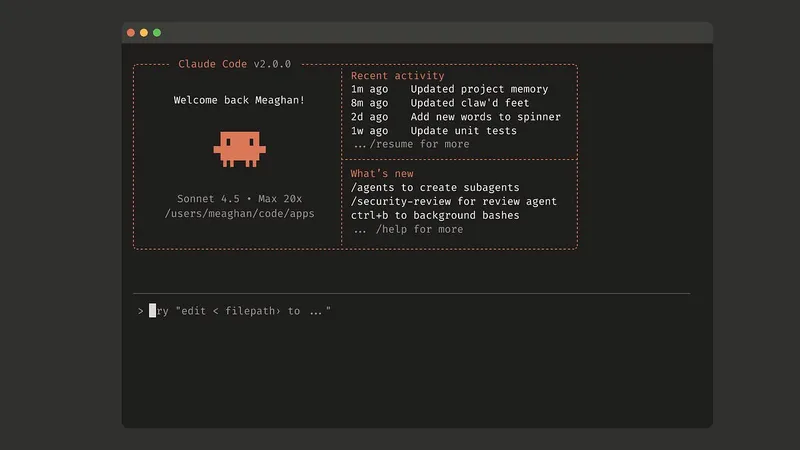
Claude Code – Everything You Can Configure That the Docs Don't Tell You
May 29, 2026