RSS feeds send me more traffic than Google
shkspr.mobi
May 7, 2026
2 min read
🔥🔥🔥🔥🔥
61/100
Summary
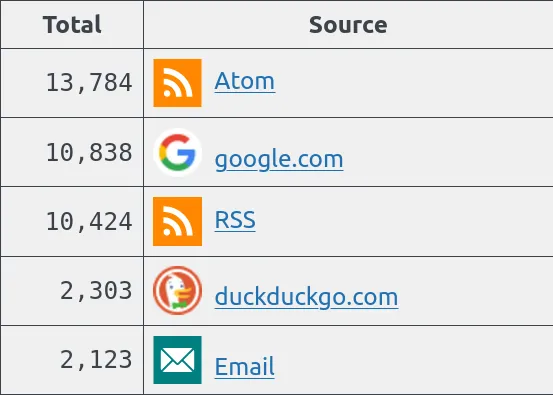
RSS feeds can generate more traffic to personal websites compared to Google search. A blog writer observed that their site traffic primarily comes from web feeds rather than traditional SEO methods.
Key Takeaways
- Approximately 25% of the author's blog traffic comes from subscribers to their RSS feed.
- The author receives more traffic from RSS feeds than from Google.
- The author does not engage in aggressive SEO practices but maintains a semantic layout and metadata for their blog.
- Traffic sources include Google, DuckDuckGo, and link aggregators like Hacker News and Reddit.
Coverage & discussions
Hacker News · shkspr.mobi
Community discussions
Community Sentiment
Positives
- LLM-based agents can enhance the RSS experience by filtering and prioritizing low-frequency, high-interest content, addressing the challenge of information overload.
- RSS is a valuable tool for content distribution, allowing users to receive updates without being subjected to algorithm-driven feeds that prioritize ad revenue over user interest.
- The potential for LLM-tagging of RSS feed items could significantly improve content relevance and user engagement, making it easier to discover pertinent information.
Concerns
- RSS traffic may not accurately reflect reader engagement, as automated downloads can inflate numbers without indicating actual interest in the content.
- There is a concern that RSS feeds can become cluttered with low-value content, leading to user disengagement and the perception of 'dead traffic'.
- Many corporations prefer to control information flow through algorithms rather than allowing users to access content freely via RSS, which limits its effectiveness.