Report · frvr.com
Sam Altman Thinks You're Wasting DRAM

frvr.com
Source published October 30, 2026
Summary: 1 min read
50/100
Summary
OpenAI CEO Sam Altman said that distributing limited DRAM capacity across personal computers for infrequent use is less efficient than concentrating memory in cloud data centers. In an interview with Cheeky Pint, Altman said many people expect open-source AI models to make local inference practical and reduce the need for data-center memory, but argued that cloud infrastructure can achieve higher utilization when memory supplies are constrained. Altman said the industry should seek “maximum utilisation in the cloud” and characterized DRAM sitting in individual computers and used only part of the time as a poor global allocation of a limited resource. The source says memory prices have risen alongside AI infrastructure demand and that Micron announced plans to leave consumer memory production, with the company describing AI data-center needs as essential compared with consumer use. Altman also said OpenAI is designing a custom AI processor called Jalapeno. He said the chip is being designed by AI for AI and argued that constrained global silicon capacity should be directed toward AI systems that could produce major technical advances, including potential efficiency gains or discoveries comparable in importance to the transistor.
Key Takeaways
- Sam Altman said concentrating DRAM in cloud data centers can provide higher utilization than placing memory in personal computers used only intermittently.
- Altman said demand for local AI inference and open-source models contributes to pressure on the memory supply chain.
- OpenAI is designing a custom AI processor called Jalapeno, which Altman said is being designed by AI for AI.
- Micron announced plans to exit consumer memory production, and the source says the company described AI data-center needs as essential relative to consumer use.
What the discussion said
The thread treated the DRAM remark less as a memory-market observation than as a fight over who should own the hardware that makes AI usable. Several commenters conceded the narrow economic claim: personal machines running local inference only intermittently leave expensive RAM and accelerators idle, while pooled infrastructure can drive much higher utilization. Some also framed the current shortage in ordinary supply-and-demand terms, with AI demand shifting fabs toward high-bandwidth memory and away from consumer products. But that concession came with a large asterisk. Readers argued that utilization is not the only value: idle hardware at home buys privacy, autonomy, offline access, and an escape hatch from provider policy. They see centralized inference as a path to a small number of AI companies controlling access, pricing, model behavior, and eventually the messages embedded in supposedly free downloadable models. The fact that a leading AI provider is consuming enormous memory capacity made the efficiency argument sound self-serving rather than public-spirited. A few commenters stressed practical choice instead of ideology: hosted models offer speed and convenience, whereas local Qwen-style deployments matter when privacy, independence, or freedom from corporate constraints outweigh raw efficiency. Complaints that bloated browsers and desktop software consume RAM added a pointed counterargument: consumers did not freely choose to squander memory before AI vendors declared it scarce.
Where opinion split
The core dispute is whether idle consumer RAM is wasteful or a necessary form of individual control. Defenders say pooled AI infrastructure uses scarce memory far more efficiently and can make inference broadly available; critics say that same pooling hands an oligopoly control over privacy, access, pricing, and model behavior, so local capacity is insurance rather than waste.
Coverage & discussions
Hacker News · frvr.com
Community discussions
Community Sentiment
Positives
- Pooling DRAM for shared inference can keep costly AI hardware busy instead of leaving home machines idle most of their lives, lowering the effective cost of compute.
- The thread recognizes a useful division of labor: cloud models win on speed and convenience, while local models give users a viable option when privacy or independence matters.
- Rising AI demand is pushing memory makers to expand output and reallocate production toward high-bandwidth memory, a predictable response rather than proof that consumer hardware is inherently mismanaged.
Concerns
- Calling personal RAM waste ignores what local inference purchases: private prompts, offline capability, and freedom from a provider deciding who may run which model.
- A few giant inference providers may turn efficiency into leverage, controlling AI access, prices, and permissible model behavior while presenting centralization as inevitable.
- The memory-scarcity argument lands badly when the company making it is itself absorbing an enormous share of DRAM supply for centralized AI infrastructure.
- Consumers are blamed for idle memory even though bloated browsers and desktop applications already consume vast RAM budgets without delivering comparable value.
Related Articles

OpenAI CEO Sam Altman says it's "quite terrible" for your PC to have RAM — Sam Altman says data centers offer better utilization
Oct 30, 2026
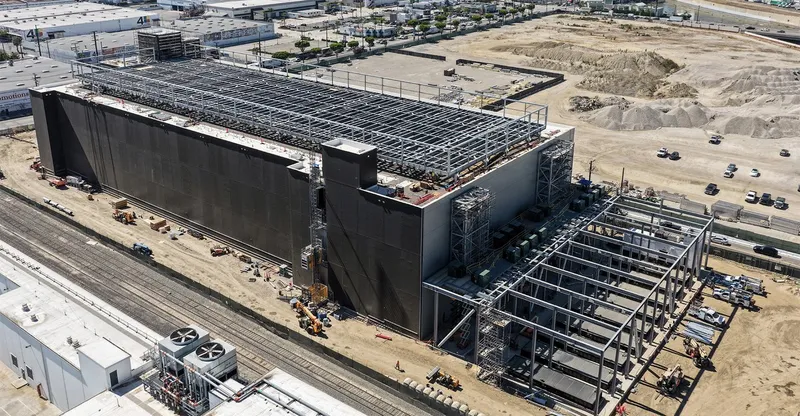
Generative AI Is an Engineering Disaster
Jul 16, 2026
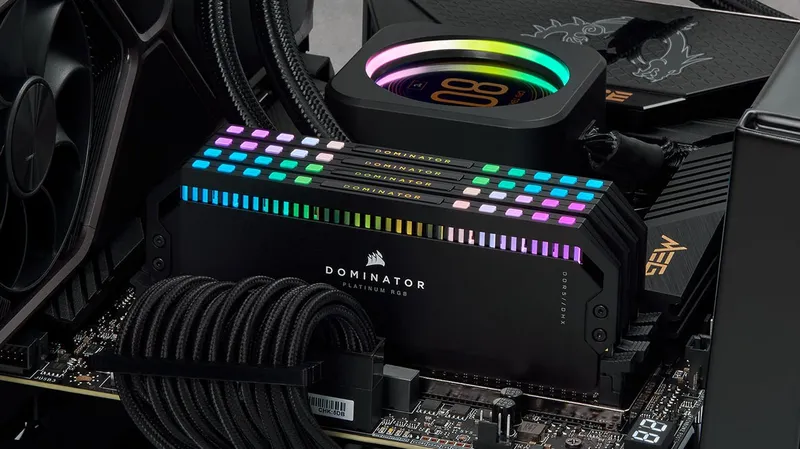
2027 memory capacity is reportedly sold out
Aug 7, 2026
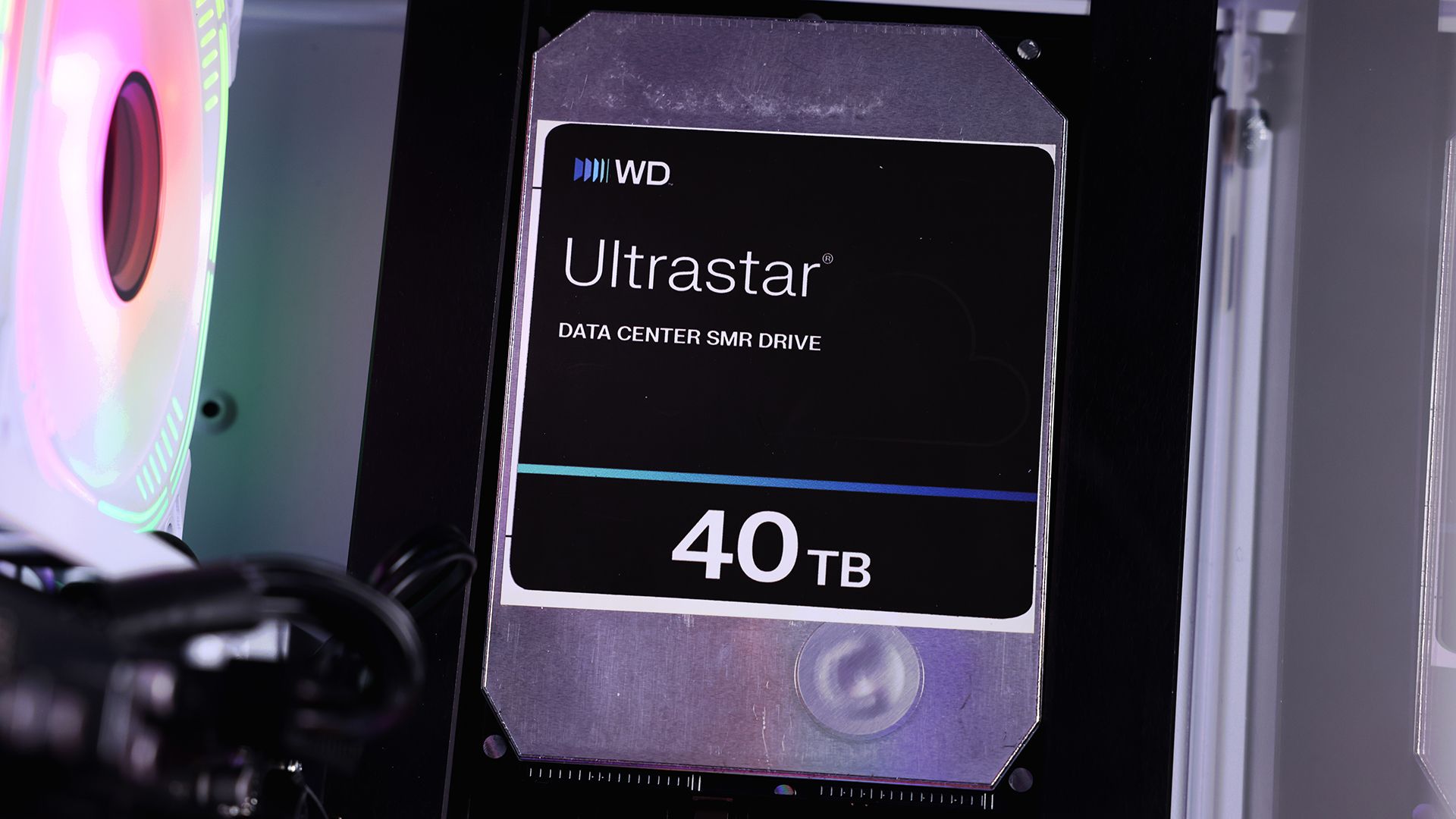
Western Digital is sold out of hard drives for all of 2026
Feb 17, 2026

Hold on to Your Hardware
Mar 27, 2026