Sandboxing AI Agents in Linux

blog.senko.net
February 3, 2026
4 min read
🔥🔥🔥🔥🔥
52/100
Summary
Linux developers increasingly utilize AI agents like Claude Code and Opus 4.5 to streamline software development. Claude Code prompts for permission to read and write files and run software by default, enhancing security during task execution.
Key Takeaways
- Developers increasingly use AI agents like Claude Code to assist with software development tasks.
- Bubblewrap is identified as a lightweight solution for sandboxing AI agents on Linux, allowing for controlled access to resources.
- The author prefers minimal access to information outside the current project while allowing network access for AI interactions.
- Project-specific API keys can be created to limit potential damage if keys are leaked, as a security measure.
Coverage & discussions
Hacker News · blog.senko.net
Community discussions
Community Sentiment
Positives
- Leash provides strict policy-level control for AI agents, enhancing security and visibility, which is crucial for safe AI deployment.
- Creating custom sandboxes for AI agents on different operating systems demonstrates the flexibility and adaptability of AI tools in diverse environments.
- The ability to run AI instances in a VM setup, like with the `claude-vm` wrapper, showcases innovative approaches to isolating AI processes for better safety.
Related Articles

Running NanoClaw in a Docker Shell Sandbox
Feb 16, 2026
Docker Sandboxes – Disposable, isolated sandboxes for AI agents
Aug 10, 2026

Agent Safehouse – macOS-native sandboxing for local agents
Mar 8, 2026
Self-hosted dev sandboxes with preview URLs (Docker, Go, no K8s)
Jun 3, 2026
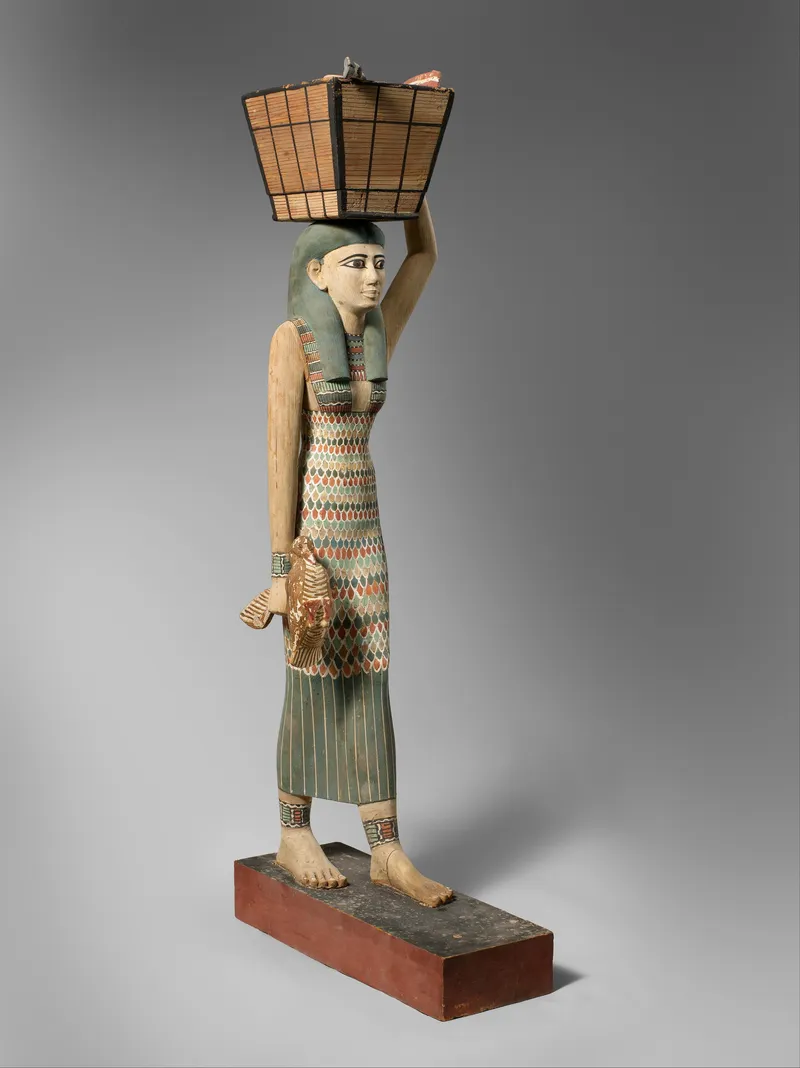
Go hard on agents, not on your filesystem
Mar 28, 2026