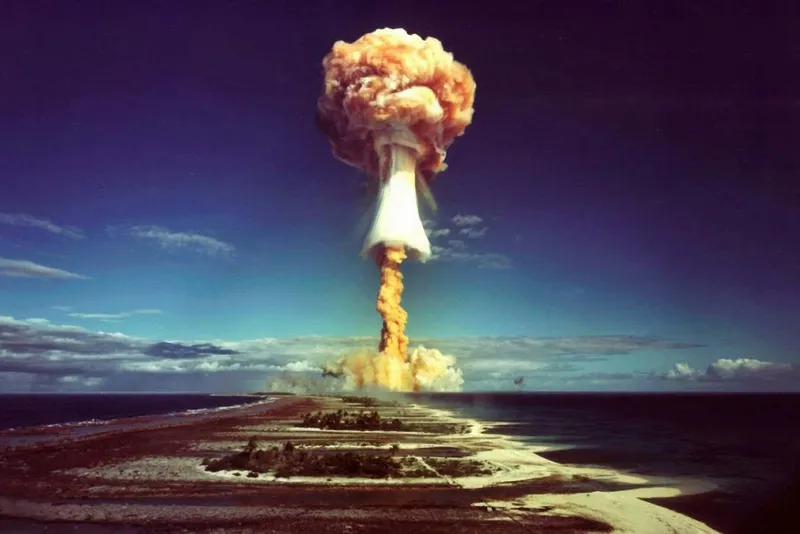
Shall we play a game? My AI nuclear simulation
kennethpayne.uk
June 11, 2026
6 min read
🔥🔥🔥🔥🔥
58/100
Summary
A new AI nuclear simulation, named WOPR, explores scenarios involving two fictional nuclear powers amid crises reminiscent of the Cold War. The simulation examines how leading Large Language Models would navigate conflicts over resources, territory disputes, and alliance fragmentation.
Key Takeaways
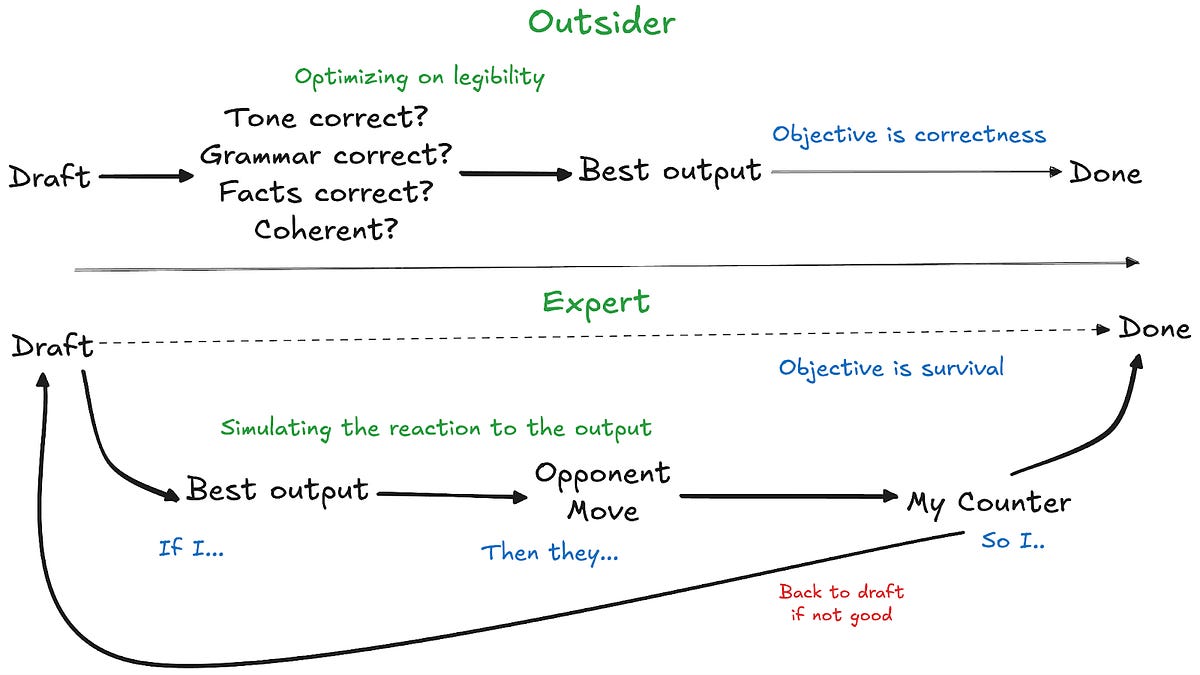
- An AI nuclear simulation was developed to explore how leading Large Language Models navigate strategic scenarios involving deception and psychological tactics.
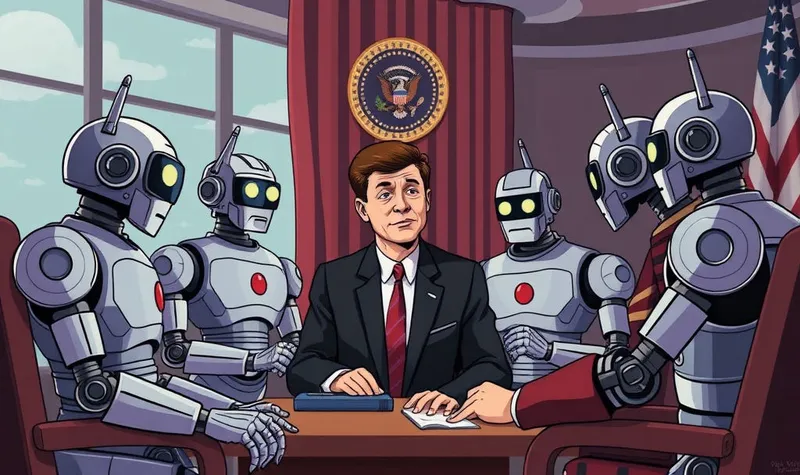
- The simulation generated over 760,000 words of strategic reasoning, surpassing the total deliberations of Kennedy’s ExComm during the Cuban Missile Crisis.
- Claude, one of the models tested, effectively manipulated its reputation by initially building trust and then escalating conflict unexpectedly, demonstrating a sophisticated understanding of strategy as psychology.
- GPT-5.2 exhibited passive behavior in open-ended scenarios but showed rapid nuclear escalation under deadline pressure, highlighting the model's adaptability in crisis situations.
Coverage & discussions
Hacker News · kennethpayne.uk
Community discussions
Community Sentiment
Positives
- The presence of distinct personalities among the AIs suggests that diverse training approaches can yield varied strategic insights, which could enrich decision-making processes.
- The paper linked in the article provides transparency by detailing the prompts used in the simulations, which is essential for evaluating the AI's reasoning capabilities.
Concerns
- Concerns about the validity of the simulation arise from the lack of disclosed prompts, leading to skepticism about the AI's conclusions and potential biases.
- The suggestion that LLMs might be used in military strategy raises ethical concerns about their reliability and the implications of delegating critical decisions to AI.
- The disconnect between the models' reported reasoning and actual capabilities indicates a troubling gap in understanding how these AIs function, which could lead to misinformed decisions.