South Korean Forums Will Need to Scan Every Images with AI Censorship Tools
discuss.privacyguides.net
June 4, 2026
2 min read
🔥🔥🔥🔥🔥
61/100
Summary
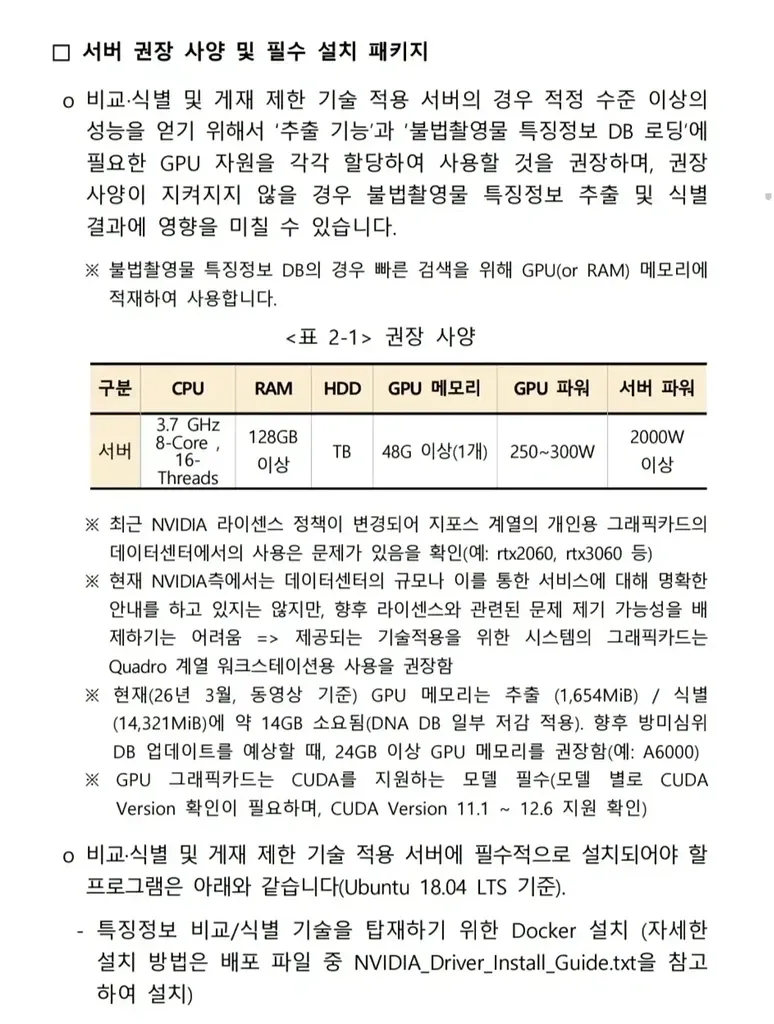
South Korean regulations require online communities to scan all user-uploaded images and videos using AI censorship tools starting July 1. Website owners must purchase their own data center-grade Nvidia GPUs to comply, creating financial pressure on small businesses and forums.
Key Takeaways
- The South Korean government mandates that online communities must scan all user-uploaded images and videos using AI censorship tools starting July 1st.
- Website owners are required to purchase their own data center-grade Nvidia GPUs to comply with the new regulations, placing financial strain on small businesses and forums.
- The law expands the definition of child sexual abuse material (CSAM) to include creative works featuring minors, leading to potential legal repercussions for artists and content creators.
- The AI censorship system has previously blocked a wide range of content, including normal swimsuits, memes, and even mathematical problems, indicating a broad and sensitive application of the regulations.
Community Sentiment
Positives
- The implementation of AI censorship tools addresses serious issues like deepfake and involuntary pornography, which are rampant in South Korea, highlighting the need for effective content moderation.
- There is a recognition that the challenges posed by misuse of personal images require innovative solutions, even if the proposed AI filters may seem clumsy.
Concerns
- The requirement to purchase AI censorship solutions from specific vendors raises concerns about corruption and the potential for inferior technology being forced upon users.
- The rushed implementation of AI tools, reminiscent of past mandates like SEED, may lead to technological stagnation and a lack of effective solutions for real problems.
- The reliance on outdated technology and specific software formats in South Korea indicates a broader issue of technological backwardness that could hinder the effectiveness of new AI initiatives.
Related Articles

FLUX 3 Image Klein
Oct 16, 2026
DeepSeek-v4-flash-vision-exp
Aug 21, 2026

Seeing beyond BMI: Estimating cardiometabolic risk with smartphone imagery
Aug 20, 2026

Geolocating a random island using geometry and CUDA programming
Aug 19, 2026
Roboflow Playground: Try and Compare 30 Computer Vision Models
Aug 17, 2026