The AI Industry Is Discovering That the Public Hates It
newrepublic.com
April 25, 2026
6 min read
🔥🔥🔥🔥🔥
61/100
Summary
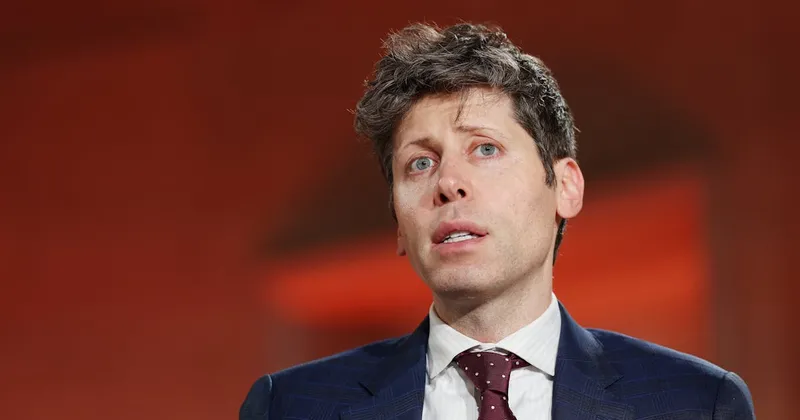
OpenAI CEO Sam Altman's house was attacked with a Molotov cocktail by 20-year-old Daniel Moreno-Gama, who was arrested on the same day. Moreno-Gama had written a manifesto expressing concerns about the existential threat of artificial intelligence and advocated for violence against AI company executives.
Key Takeaways
- A 20-year-old attacked OpenAI CEO Sam Altman's house with a Molotov cocktail, motivated by a manifesto warning of the existential threat of artificial intelligence.
- The Stanford Artificial Intelligence Index revealed a significant disparity between AI experts' optimism about the technology's future and the public's negative perceptions, with only 23% of Americans believing AI will positively impact jobs.
- A Gallup survey indicated that the percentage of Gen Zers excited about AI dropped from 36% to 22%, while those feeling angry about it increased from 22% to 31%.
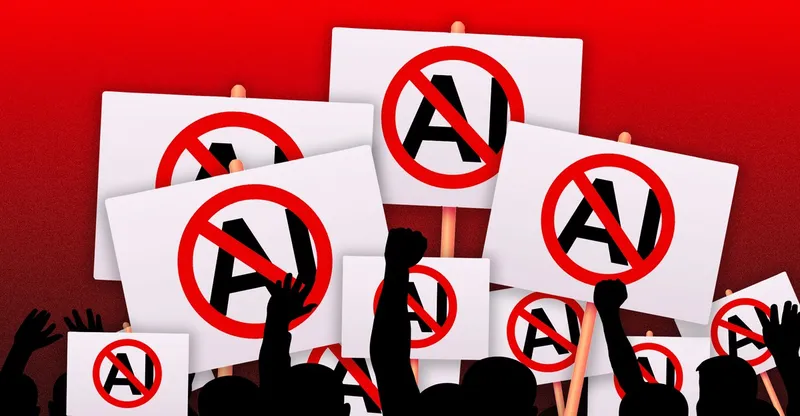
- The AI industry's messaging has been criticized for being tone-deaf to public concerns, contributing to a growing backlash against AI as an elite political project.
Coverage & discussions
Hacker News · newrepublic.com
Community discussions
Community Sentiment
Positives
- The AI industry has the potential to reshape job roles and improve productivity, but it must address public concerns about job displacement and ethical implications.
- Some believe that AI can provide significant value creation if companies shift their focus from cost-cutting to enhancing productivity and innovation.
Concerns
- Many in the AI industry are perceived as out of touch, pushing technology without regard for its societal impact, leading to widespread public distrust.
- The fear of job loss due to AI is prevalent, with critics arguing that the promised productivity gains often do not materialize, leaving workers disillusioned.
- Concerns about the ethical use of AI and the exploitation of intellectual property for training models have fueled negative sentiments towards the industry.