The Future of Everything Is Lies, I Guess

aphyr.com
April 8, 2026
15 min read
🔥🔥🔥🔥🔥
70/100
Summary
The content reflects on the author's nostalgia for science fiction and early computer literature, highlighting a personal journey through the evolution of technology. It suggests a sense of disillusionment with the current state of AI and intelligent machines.
Key Takeaways
- Large Language Models (LLMs) operate by predicting statistically likely completions of input strings, functioning similarly to autocomplete features on phones.
- LLMs are trained on extensive datasets, including web pages and various media, but do not learn over time or remember past interactions intrinsically.
- LLMs are often criticized for generating plausible-sounding but factually incorrect information, leading to their characterization as "bullshit machines."
- The current discourse around AI technologies often overlooks potential risks, focusing instead on their capabilities and benefits.
Coverage & discussions
Hacker News · aphyr.com
Community discussions
Community Sentiment
Positives
- LLMs are capable of engaging with logical problems effectively, indicating their potential for specific applications despite current limitations.
- Improvements in user interfaces and tools like Figma are enhancing LLMs' capabilities, suggesting a positive trajectory for AI development.
Concerns
- The diminishing returns on increasing training costs and model size raise concerns about the sustainability of current AI development practices.
- Confabulation in LLMs may be an inherent issue with scaling intelligence, highlighting potential gaps between perceived and actual understanding.
Related Articles

The Future of Everything Is Lies, I Guess: Safety
Apr 13, 2026
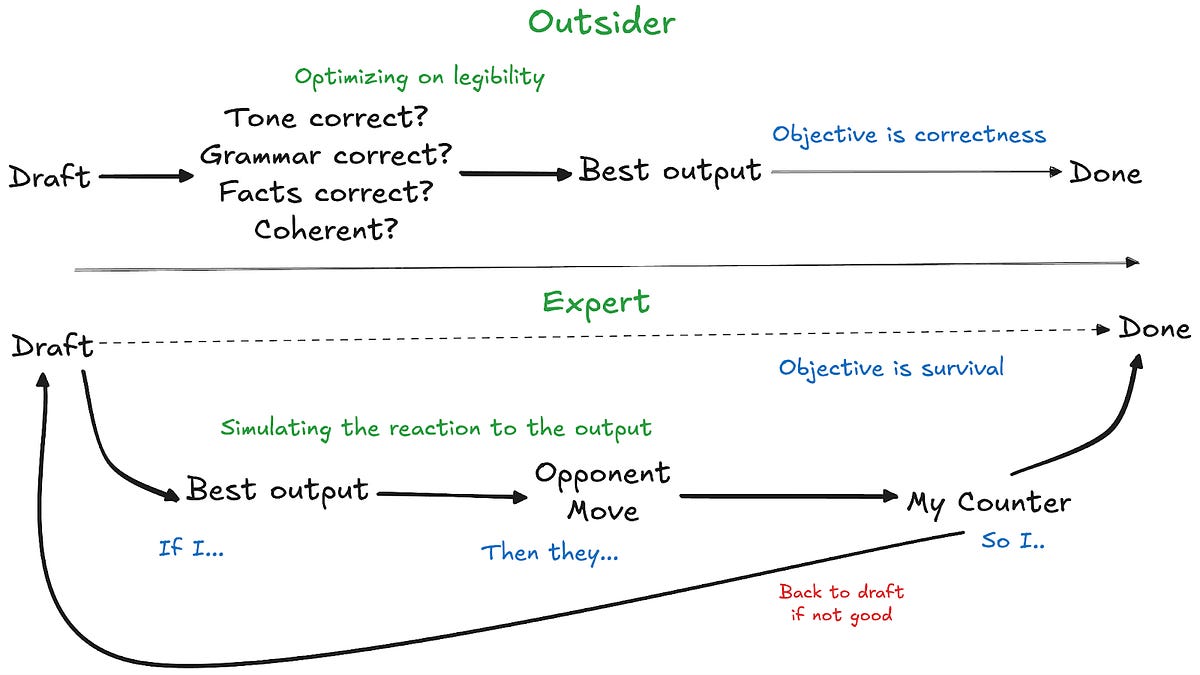
Experts Have World Models. LLMs Have Word Models
Feb 8, 2026

Do LLMs pass the mirror test?
Jun 28, 2026

The future of everything is lies, I guess: Where do we go from here?
Apr 16, 2026

Charlie Stross – On the non-use of AI in my writing process
Aug 1, 2026