The minimum viable unit of saleable software

brandur.org
June 21, 2026
7 min read
🔥🔥🔥🔥🔥
58/100
Summary
Building a software business in the age of AI presents challenges, as products can be quickly replaced by internal packages created by large language models (LLMs). The concept of a "minimum viable unit" of saleable software is proposed as a strategy to navigate this landscape.
Key Takeaways
- The introduction of LLMs has significantly reduced the cost of building software, but it has not eliminated the need for human oversight and ongoing maintenance.
- A custom internal task tracker built using LLMs may still require substantial time and resources for initial development and continuous refinement, making it a complex project.
- The financial comparison between using a commercial software solution and building an internal tool with LLM assistance reveals that the latter may not be cost-effective in the long run, especially considering the labor costs involved.
- The shift in software development dynamics due to LLMs has changed the traditional buy vs. build calculus, allowing for more feasible internal software solutions.
Coverage & discussions
Hacker News · brandur.org
Community discussions
Community Sentiment
Positives
- The cost to build software has significantly decreased, enabling more individuals to pursue side projects that were previously unfeasible, which could lead to greater innovation.
- AI tools have made it easier for developers to push through obstacles, allowing for quicker iterations and the ability to create throwaway versions of projects.
- Creating working code is becoming cheaper with AI, which can lower barriers for entry into software development and spur creativity and experimentation.
Concerns
- Despite the lower costs, the effort and motivation required to maintain software projects still pose significant challenges, often leading to stalled progress.
- The risk of isolated solutions in the community could lead to incoherent software that lacks vision, which is a concern for investors and developers alike.
- Creating effective specifications for software remains a complex task, as AI struggles to identify and rectify usability issues without user feedback.
Related Articles
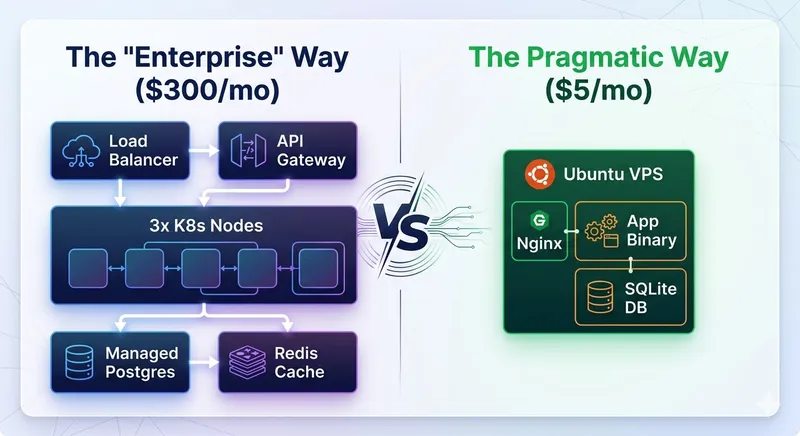
I run multiple $10K MRR companies on a $20/month tech stack
Apr 12, 2026

Vibe coding and agentic engineering are getting closer than I'd like
May 6, 2026

Code Is Cheap Now, and That Changes Everything
Apr 9, 2026
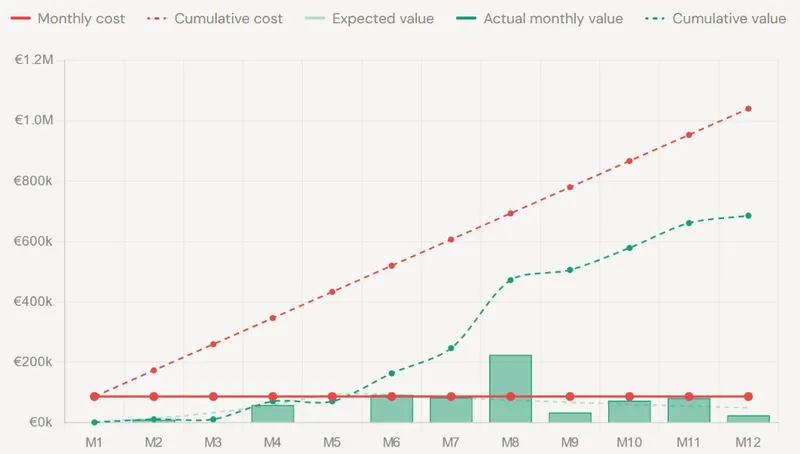
The economics of software teams: Why most engineering orgs are flying blind
Apr 13, 2026

Eight more months of agents
Feb 8, 2026