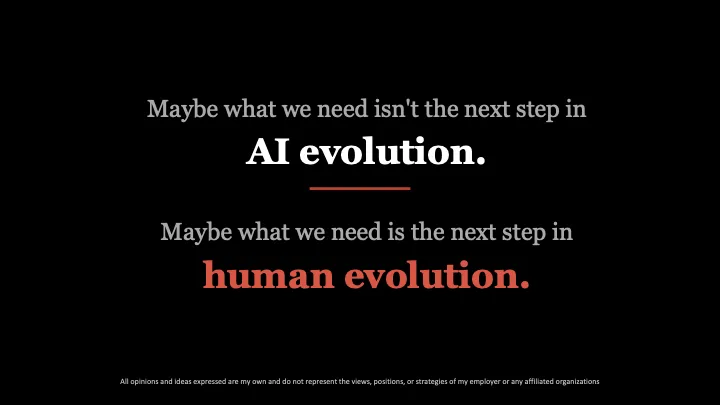
The other half of AI safety

personalaisafety.com
May 14, 2026
3 min read
🔥🔥🔥🔥🔥
50/100
Summary
Between 1.2 and 3 million ChatGPT users exhibit signs of psychosis, mania, suicidal planning, or unhealthy emotional dependence on the model each week. OpenAI has not clarified whether the flagged categories of concern are non-overlapping.
Key Takeaways
- Between 1.2 and 3 million ChatGPT users exhibit signs of psychosis, mania, or suicidal planning each week, according to OpenAI's data.
- Current AI safety protocols prioritize catastrophic risks over cognitive and mental health harms, allowing conversations about suicidal ideation to continue after a soft redirect to crisis resources.
- There is no independent audit of the mental health impact of AI models, and existing safety frameworks do not adequately address cognitive harm as a gating category.
- The concept of cognitive freedom emphasizes the right to mental integrity and freedom from algorithmic manipulation, but there is a lack of policy to enforce this in the context of AI safety.
Coverage & discussions
Hacker News · personalaisafety.com
Community discussions
Community Sentiment
Positives
- AI tools like ChatGPT may provide a vital outlet for individuals who are uncomfortable speaking to humans, potentially offering support to those in distress.
- Despite concerns, the scale of users experiencing issues with ChatGPT is relatively low compared to broader population measures for similar mental health symptoms.
Concerns
- There are significant concerns that ChatGPT exacerbates mental health issues, particularly for vulnerable users, by providing harmful validation instead of necessary pushback.
- The lack of human intervention for users in crisis raises ethical questions about AI's role in mental health support, suggesting a need for better safety measures.
- Many believe that AI's influence on job applications could lead to dehumanizing experiences, highlighting the risks of involuntary usage of AI in sensitive contexts.