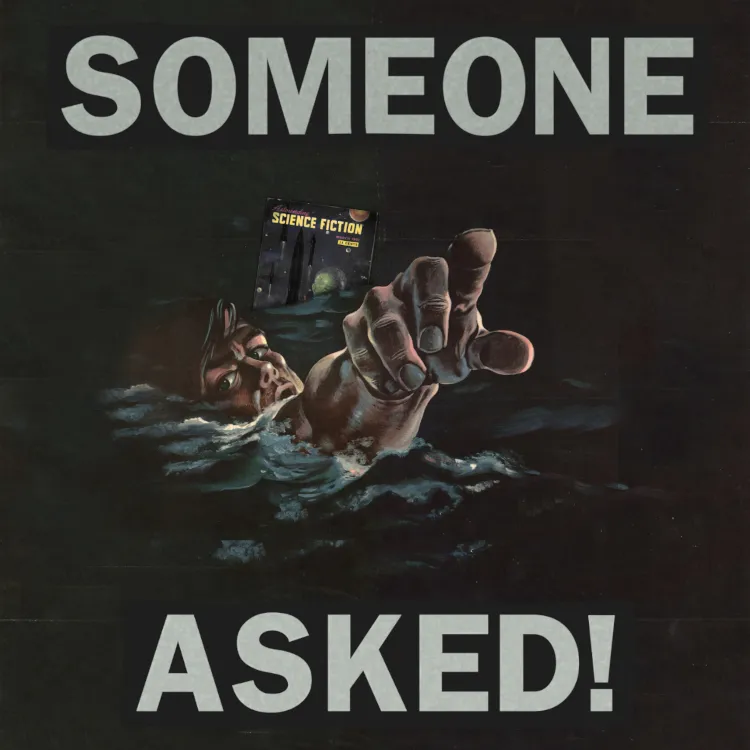
The (real) dead economy theory

pluralistic.net
June 17, 2026
10 min read
🔥🔥🔥🔥🔥
48/100
Summary
The real dead economy theory examines the influence of cultural trends and meme stocks on economic perceptions. Various topics are covered, including Jim Baen's health issues, criticisms of Apple’s iTunes DRM, and the implications of a Washington Post coverage blackout on Trump.
Key Takeaways
- Elon Musk's net worth increased from $20 billion in 2020 to $1 trillion by 2026, despite a series of commercial failures post-2020.
- Financial markets are failing to accurately value assets, with institutions abandoning their roles in this process.
- AI investments are prioritized over traditional sectors, leading to the neglect of essential research, such as cancer studies.
- The concept of "the dead economy theory" suggests a future where AI will displace jobs, raising questions about economic structures and labor equity.
Coverage & discussions
Hacker News · pluralistic.net
Community discussions
Community Sentiment
Positives
- AI has the potential to revolutionize industries by supporting or replacing intellectual work, which is why significant investments are being made in the technology.
Concerns
- Currently, AI is labeled as the 'world's money-losingest technology,' indicating a troubling financial viability that raises concerns about its future sustainability.
- Skepticism about AI's ability to genuinely replace intellectual work persists, with some arguing it merely creates an illusion of capability rather than real value.