Report · techcrunch.com
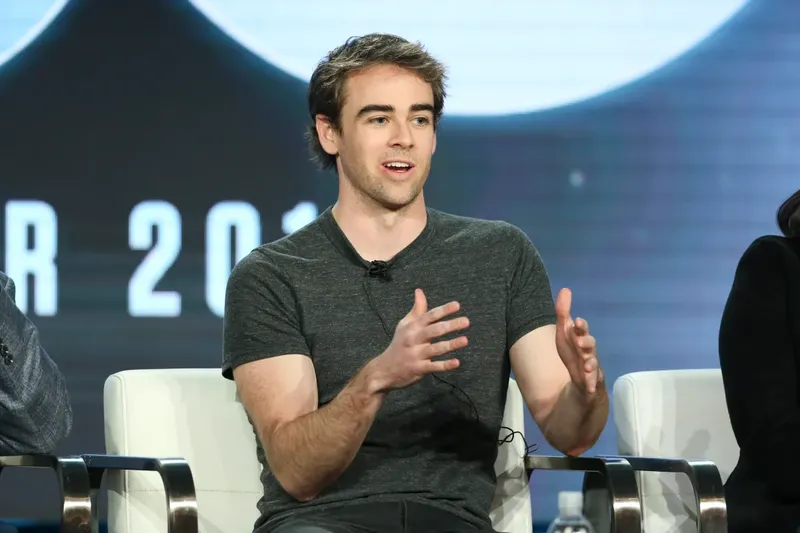
Theranos whistleblower Tyler Shultz warns that the AI boom is ‘a great opportunity to go deceive people’
techcrunch.com
Source published October 30, 2026
Summary: 2 min read
0/100
Summary
Theranos whistleblower Tyler Shultz has warned that the AI investment boom could make it easier for founders to deceive investors because technical due diligence is difficult. Shultz, who helped expose Theranos’ inaccurate blood-testing devices after joining the company out of college, said investors must recognize the power they give founders when providing large sums of money. He criticized a funding culture in which a short meeting can lead to a $100,000 investment, saying Elizabeth Holmes scaled that model to $100 million. Theranos reached a valuation of about $10 billion despite technology that never worked as promised. Its devices delivered faulty results to patients through Walgreens, while the company performed only a fraction of tests on its own machines and outsourced others to third-party equipment. Theranos frequently raised money from individual investors, including the DeVos and Walton families, and withheld scientific evidence from prospective investors by citing trade-secret concerns. Shultz said AI makes it hard to distinguish genuinely novel technology from a “ChatGPT wrapper,” creating what he called a significant opportunity for deception. Holmes is serving a federal prison sentence of more than 11 years. A documentary, “You Can See Everything,” depicts her final weeks before imprisonment and shows Holmes and partner Billy Evans working on Haemanthus, a diagnostics company they call “Theranos 2.0” that has reportedly raised about $20 million.
Key Takeaways
- Tyler Shultz said AI companies can be difficult to evaluate, making it hard for investors to distinguish novel technology from products built as ChatGPT wrappers.
- Theranos reached an approximately $10 billion valuation even though its blood-testing technology never worked as promised and produced faulty results for patients.
- Theranos raised significant funding from individual investors while declining to provide scientific evidence of its machines’ performance, citing trade-secret concerns.
- Elizabeth Holmes is serving a federal prison sentence of more than 11 years, while Haemanthus, a diagnostics company she and Billy Evans call “Theranos 2.0,” has reportedly raised about $20 million.
Coverage & discussions
RSS · TechCrunch AI · techcrunch.com
Related Articles

Pray for Chaos
Nov 2, 2026
‘If it wasn’t for ChatGPT my brother would still be alive’: inside OpenAI’s safety unit
Nov 1, 2026
31-Year-Old Woman Reduced Epilepsy Medication After ChatGPT Advice: Report Links Case to Her Death
Oct 29, 2026

Parents sue OpenAI, alleging GPT-4o coached their daughter off seizure medication
Oct 27, 2026
Johns Hopkins alerts 3,000+ patients after data sent to AI tool
Oct 26, 2026