Vintage Artificial Intelligence: Before It Got Awkward
blog.archive.org
August 24, 2026
9 min read
55/100
Summary
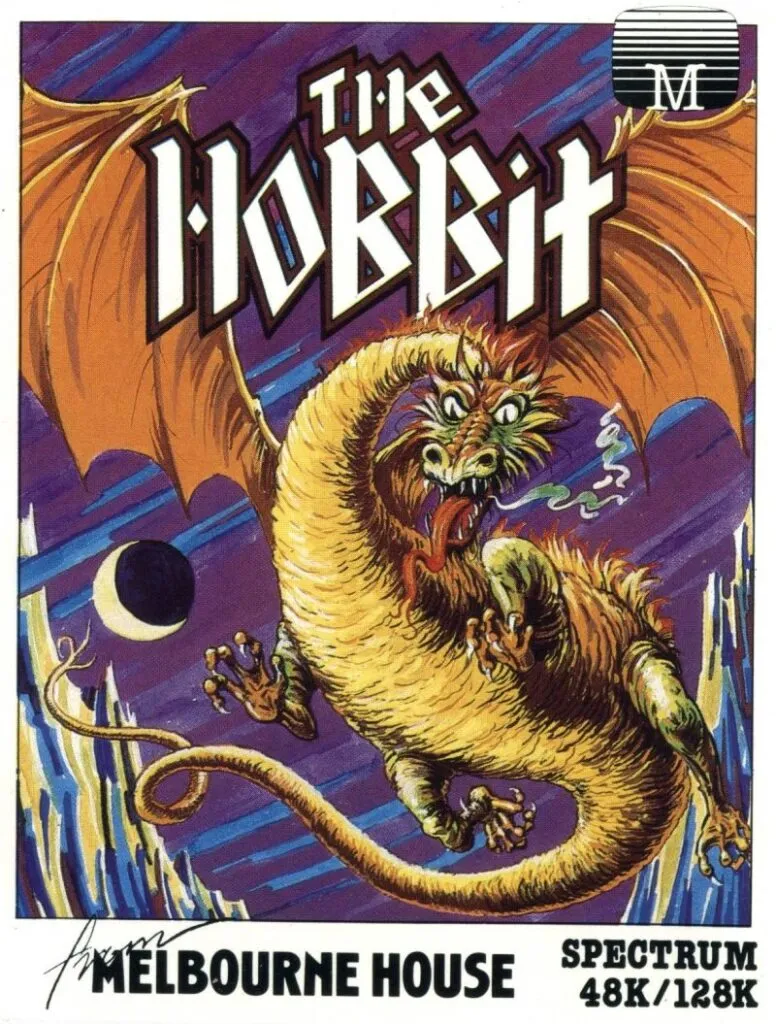
The Internet Archive has launched the Vintage Artificial Intelligence collection, a curated group of emulated software packages from roughly the 1970s through the 1990s. The programs do not actually think, but they portray thinking machines, simulated personalities, autonomous characters and computer-controlled opponents across home computers and game consoles. The collection is available for research, education and play. The collection includes numerous ports of Joseph Weizenbaum’s ELIZA, whose DOCTOR script imitated a psychologist through question-and-answer exchanges and led some users to treat it as a real conversational partner. Versions run on systems including the Apple II, Atari 800, Radio Shack Color Computer and PalmPilot. Other conversational programs include Dr. Z, Talking Sam, Hyper Psych, DR. SPOC, Abuse and Serbian-language parody Pisko. Racter, a commercial chatbot released in 1985, generated sentences and stories and was marketed as a program capable of conversation. Games and simulations in the collection used rules, scripted events and variable character behavior to create impressions of independent digital life. Activision’s Alter Ego let players guide a persona through life stages and consequences, while Little Computer People simulated inhabitants living inside a computer. Murder on the Zinderneuf, Suspended, Deadline and The Hobbit featured characters acting beyond the player’s immediate control. Robot War, Worms and Fortress let players program automated competitors before sending them into arenas.
Key Takeaways
- The Internet Archive’s Vintage Artificial Intelligence collection preserves emulated software from roughly the 1970s through the 1990s that simulated conversation, autonomy and machine-like intelligence.
- ELIZA’s DOCTOR script imitated a psychotherapist through conversational prompts, and the program was repeatedly ported to home-computing platforms.
- Racter, released commercially in 1985, generated prose and supported conversations as an early commercial chatbot.
- Little Computer People used variable names, moods and behaviors to simulate people living inside a computer, while Alter Ego modeled life choices and consequences.
- Several games created the appearance of autonomous worlds by allowing non-player characters and automated competitors to act under programmed rules outside direct player control.
What the discussion said
The thread treated the collection less as a history lesson than as a fond tour of AI’s earlier theatrical failures: chatbot scripts, personality simulators, generated prose, and fictional machines that already anticipated malicious or politically powerful AI. Commenters enjoyed how strange these systems were, especially Racter’s boozy pseudo-profundity and ELIZA’s enduring pattern-matching trick, while also stressing that much of their apparent magic was narrow scripting, templates, or careful presentation rather than genuine open-ended intelligence. Several readers corrected and expanded the historical record, noting ELIZA’s actual authorship and generic script-driven design, its continued life in Emacs, and overlooked systems such as IBM’s Intelligence, Lotus H.A.L., Mind Mirror, and early AI markup ideas. The strongest technical observation was that symbolic AI did not disappear: probabilistic logic and neural-symbolic projects still pursue combinations of explicit reasoning with learned components. Modern LLMs entered mostly as an unflattering comparison. An attempt to extend Racter’s stylized output with a small language model either failed to preserve its constrained voice or regurgitated its source material, reinforcing the view that old systems’ distinctive behavior often came from deliberate formal limits. Overall, the mood is warmly nostalgic and amused, with skepticism aimed at inflated claims then and now rather than at the historical artifacts themselves.
Where opinion split
The closest dispute is whether Racter’s celebrated prose demonstrates an interesting early AI or mostly a curated literary illusion. Defenders enjoy its uncanny period charm, while skeptics argue the published book reflects editorial selection and templated machinery far more than the program’s autonomous ability.
Community Sentiment
Positives
- ELIZA’s scriptable pattern-matching architecture still feels instructive: a tiny generic engine can create a convincing interaction when its domain rules are chosen well.
- The continued work on probabilistic logic and neural-symbolic systems pushes back on the lazy story that symbolic AI died when deep learning arrived.
- Racter, ELIZA, and Mind Mirror are valued as lively reminders that AI has long explored conversation, self-reflection, and machine-authored text outside today’s LLM paradigm.
Concerns
- Racter’s famous literary output is suspected to be heavily edited and templated, making the polished book a poor proxy for what the system could actually generate.
- A small LLM could neither reliably reproduce Racter’s rigid, peculiar style nor avoid echoing its training text, exposing how easily modern generation loses constrained authorial structure.
- Early AI marketing and markup ambitions are remembered as awkwardly overblown, suggesting that hype has repeatedly outrun usable intelligence across generations.