Why We're Banning AI
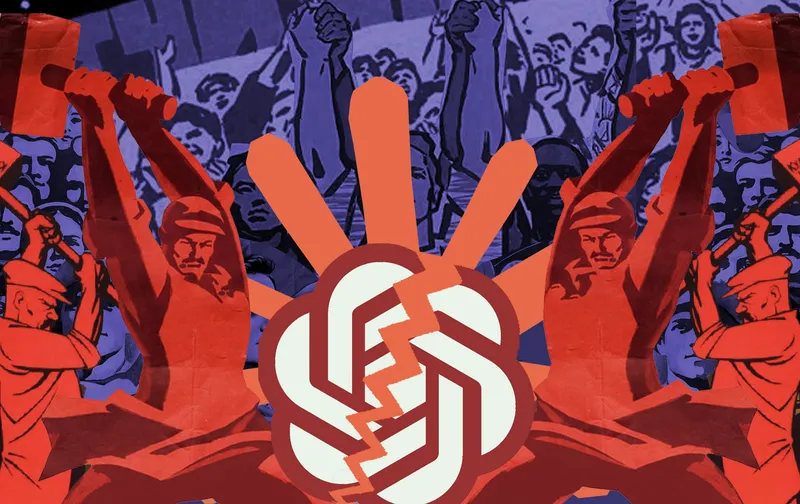
currentaffairs.org
October 15, 2026
8 min read
60/100
Summary
Current Affairs has adopted a union-contract policy barring AI-generated text and AI-generated illustrations from publication. The nonprofit, unionized magazine says readers will receive human-written work and human-created art, while continuing to pay writers and artists for research, editing, illustration, layout, and other production work. Its policy does not prohibit every software tool described as AI: writers may use tools for research, and artists may use tools for limited tasks such as changing a color, adding texture, or creating a small element. The magazine says it adopted the ban to oppose publishers’ use of generative AI to reduce labor costs and replace creative workers. It cites Business Insider CEO Barbara Peng’s statement that the publication is “all in on AI,” Sports Illustrated’s publication of AI-written material under nonexistent bylines, and a Wall Street Journal op-ed attributed to Stan Druckenmiller that was later found to have been AI-generated. Current Affairs also cites Futurism’s reporting that more than 200,000 creative-industry jobs were lost over four years amid what it called one of the worst periods for U.S. media employment. The magazine argues that generative-AI systems trained on artists’ work are being used to displace artists, and urges readers not to support publications that use AI-generated media.
Key Takeaways
- Current Affairs’ new union-contract policy prohibits publishing AI-generated text and using AI-generated art as magazine illustrations.
- The policy permits limited use of AI-related tools for tasks such as research, color changes, textures, or small artistic elements, rather than allowing generated articles or illustrations.
- Current Affairs says publishers are adopting generative AI to lower production costs and replace writers and artists.
- Futurism reported that more than 200,000 jobs in creative industries were lost over four years, a figure Current Affairs cites in arguing that AI is harming creative workers.
What the discussion said
Commenters mostly treated the ban as a publication deciding what its readers are buying: human judgment, voice, and accountability rather than cheap volume. Several argued that automated prose remains conspicuously tedious and generic, so a magazine is right to protect the craft that distinguishes it. The strongest practical concern was misinformation, not merely displaced writers: fluent fabrication can slip into published media and spread far faster than readers can check it. For this group, a human-made label functions less like artisanal branding than an ingredient list for people avoiding generated filler. The thread did not uniformly reject AI. Many accepted research assistance, minor visual edits, coding, and other bounded uses, while insisting that the finished article or illustration should remain genuinely authored by a person. Some also noted that human work can be manipulative, dull, or low-quality, so human authorship is not an automatic quality guarantee. The sharpest pushback targeted the public declaration itself: critics saw an absolute ban as moral theater and a short-sighted refusal to use tools for drafting, revision, or accessibility. Others answered that treating an LLM as a literary critic is especially dubious, since it has no lived emotional understanding. Debate over AI-polished guest essays exposed a deeper concern: polishing a weak writer may make prose smoother while obscuring the author’s actual ability and responsibility.
Where opinion split
The central dispute was whether banning AI from the creative workflow protects meaningful human authorship or amounts to performative, technologically blinkered opposition. Supporters argued that generated prose degrades reader experience, scales falsehoods, and hides who actually formed the ideas; critics argued that limited assistance can improve expression without replacing the author, and that human-written work is hardly immune to slop.
Community Sentiment
Positives
- A human-only final product gives readers a defensible expectation of voice, judgment, and accountability instead of an industrial stream of interchangeable prose.
- Keeping AI to bounded research or production tasks while reserving writing and illustration for people strikes several readers as a sensible line, not a rejection of every new tool.
- Generated-media labeling can help readers avoid automated filler and decide whether the attention demanded by an article is backed by human effort.
- The more serious danger is not lost creative jobs but fluent fabricated claims entering media at machine speed, where polish makes them harder to notice and correct.
Concerns
- LLM-written articles are described as draining and formulaic; if an author would not bother to write the piece, readers see little reason to spend attention on it.
- A polished chatbot rewrite of a guest’s argument can erase useful evidence of the guest’s own clarity, competence, and ownership of the opinion.
- Using an LLM to judge whether prose evokes emotion or works artistically drew ridicule because statistical text prediction has no firsthand emotional insight.
- An emphatic public AI ban risks sounding like moral condemnation or virtue signaling, especially when useful drafting and revision assistance may not replace authorship.
Related Articles
AI fake news complaining about how AI fake news is the death of real news
Jul 2, 2026
I work in Hollywood. Everyone who used to make TV is now training AI
May 11, 2026
Cannibalism
Jun 8, 2026
Artificial intelligence is capitalism's final destination
Oct 16, 2026

You Do Not, in Fact, Have to Hand It to Them
Mar 28, 2026