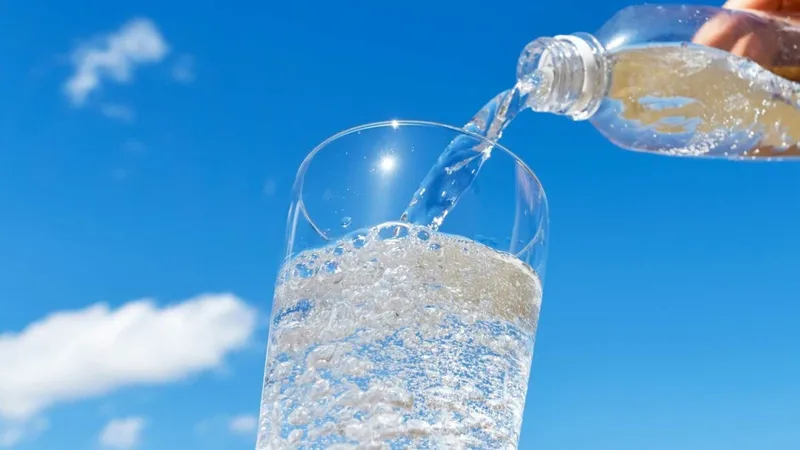
US data centers tripled annual water consumption to 17B gallons
US data centers consumed an estimated 17 billion gallons of water in 2023, roughly three times the estimated total in 2014, according to a Congressional Research Service report published by the Library of Congress. The estimate includes water used directly for cooling and indirectly to generate the electricity powering facilities. More than 80% of the total water footprint came from electricity generation, while direct consumption accounted for a relatively small share of overall US water use. The federal government does not systematically track data-center water consumption, so the figure is an estimate assembled from incomplete state and local data rather than a facility-by-facility national accounting. Cooling choices shift demand between water and electricity. Evaporative systems generally use less energy but consume substantial water, while air-cooled systems reduce on-site water use while generally requiring more power. Municipal drinking-water systems supplied 97% of water used by US data centers in the CRS estimate, creating local competition for constrained supplies. The report says AI infrastructure is increasing electricity demand through denser specialized hardware, and consumption may have risen since its data ended in 2023. US water reporting remains fragmented because states and local utilities set requirements, and some municipal service agreements limit disclosure. Members of Congress have introduced bills on reporting and water reuse, though most remain at the introduction stage. European Union rules require data-center operators to report annual freshwater consumption.
forgeeks.net
6 min
8/25/2026

New York becomes the first state to impose a data center moratorium
New York has enacted a moratorium on the construction of new data centers, making it the first state to implement such a measure. The moratorium aims to address concerns regarding energy consumption and environmental impact associated with data centers.
reuters.com
1 min
7/14/2026
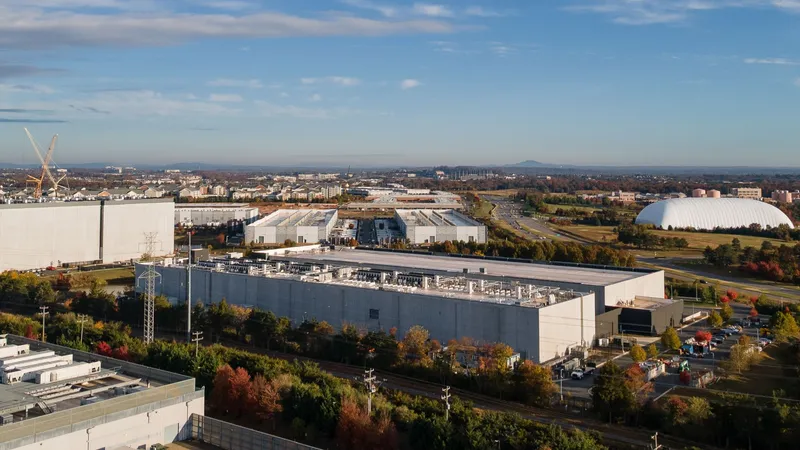
Meta data center water discharges suspended for contaminating water supply
Meta's data center water discharges have been suspended due to contamination of Cheyenne's reclamation water supply with a rare bacterium. The Cheyenne Board of Public Utilities has revoked the discharge privileges for industrial wastewater from data center operations following the incident.
tomshardware.com
5 min
7/4/2026
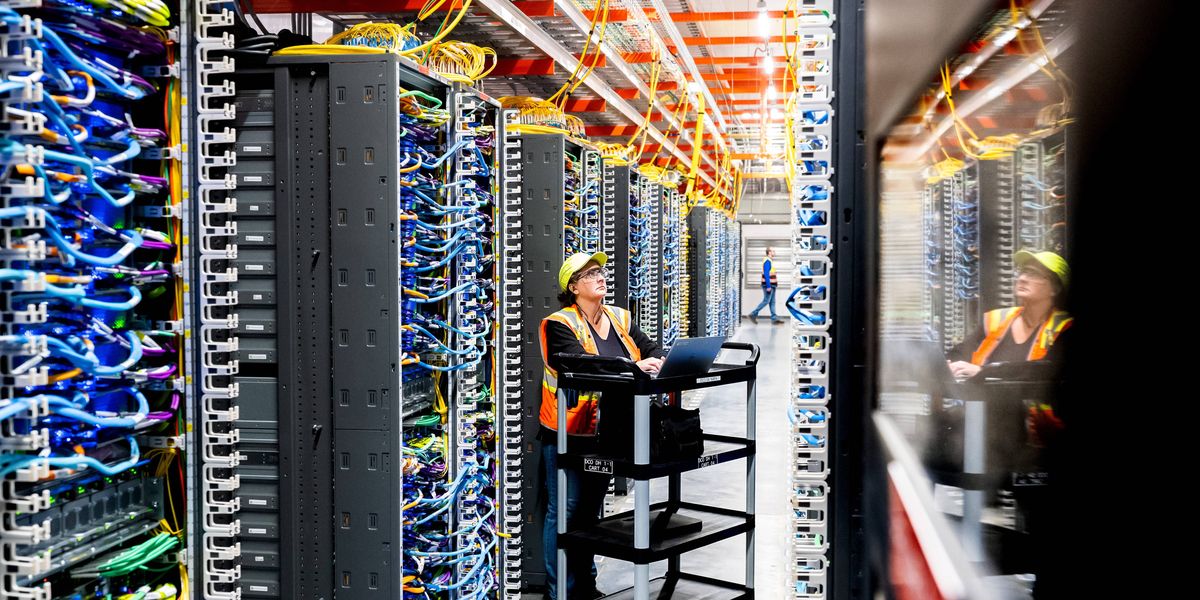
Residents furious as Utah approves datacenter twice the size of Manhattan
Utah has approved the construction of a datacenter that will span over 40,000 acres, more than twice the size of Manhattan. The facility, known as Stratos, will require approximately 9GW of power, raising concerns about its energy consumption and impact on local water supplies.
theguardian.com
5 min
5/13/2026
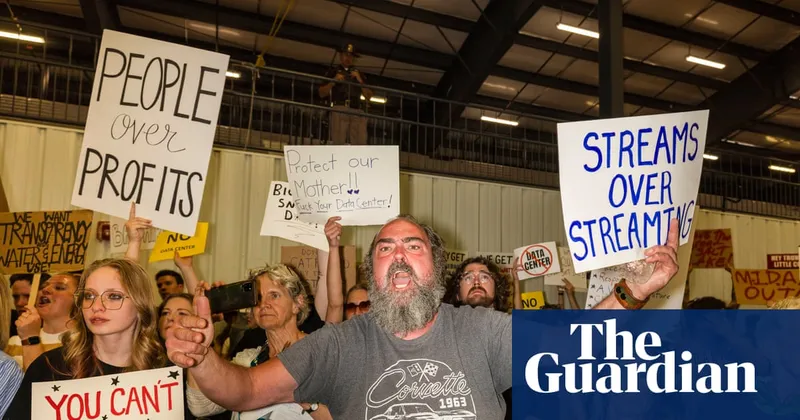
'A Big Fuck You to Big Tech': New Jersey Residents Defeat AI Data Center
The New Brunswick City Council voted to cancel plans for an AI data center and will instead develop a public park on the site. AI data centers are known for their significant environmental impacts due to high electricity and water consumption, as well as the use of rare earth metals.
commondreams.org
2 min
2/20/2026
US data centers tripled annual water consumption to 17B gallons
US data centers consumed an estimated 17 billion gallons of water in 2023, roughly three times the estimated total in 2014, according to a Congressional Research Service report published by the Library of Congress. The estimate includes water used directly for cooling and indirectly to generate the electricity powering facilities. More than 80% of the total water footprint came from electricity generation, while direct consumption accounted for a relatively small share of overall US water use. The federal government does not systematically track data-center water consumption, so the figure is an estimate assembled from incomplete state and local data rather than a facility-by-facility national accounting. Cooling choices shift demand between water and electricity. Evaporative systems generally use less energy but consume substantial water, while air-cooled systems reduce on-site water use while generally requiring more power. Municipal drinking-water systems supplied 97% of water used by US data centers in the CRS estimate, creating local competition for constrained supplies. The report says AI infrastructure is increasing electricity demand through denser specialized hardware, and consumption may have risen since its data ended in 2023. US water reporting remains fragmented because states and local utilities set requirements, and some municipal service agreements limit disclosure. Members of Congress have introduced bills on reporting and water reuse, though most remain at the introduction stage. European Union rules require data-center operators to report annual freshwater consumption.
forgeeks.net
6 min
8/25/2026
Meta data center water discharges suspended for contaminating water supply
Meta's data center water discharges have been suspended due to contamination of Cheyenne's reclamation water supply with a rare bacterium. The Cheyenne Board of Public Utilities has revoked the discharge privileges for industrial wastewater from data center operations following the incident.
tomshardware.com
5 min
7/4/2026
'A Big Fuck You to Big Tech': New Jersey Residents Defeat AI Data Center
The New Brunswick City Council voted to cancel plans for an AI data center and will instead develop a public park on the site. AI data centers are known for their significant environmental impacts due to high electricity and water consumption, as well as the use of rare earth metals.
commondreams.org
2 min
2/20/2026
New York becomes the first state to impose a data center moratorium
New York has enacted a moratorium on the construction of new data centers, making it the first state to implement such a measure. The moratorium aims to address concerns regarding energy consumption and environmental impact associated with data centers.
reuters.com
1 min
7/14/2026
Residents furious as Utah approves datacenter twice the size of Manhattan
Utah has approved the construction of a datacenter that will span over 40,000 acres, more than twice the size of Manhattan. The facility, known as Stratos, will require approximately 9GW of power, raising concerns about its energy consumption and impact on local water supplies.
theguardian.com
5 min
5/13/2026
US data centers tripled annual water consumption to 17B gallons
US data centers consumed an estimated 17 billion gallons of water in 2023, roughly three times the estimated total in 2014, according to a Congressional Research Service report published by the Library of Congress. The estimate includes water used directly for cooling and indirectly to generate the electricity powering facilities. More than 80% of the total water footprint came from electricity generation, while direct consumption accounted for a relatively small share of overall US water use. The federal government does not systematically track data-center water consumption, so the figure is an estimate assembled from incomplete state and local data rather than a facility-by-facility national accounting. Cooling choices shift demand between water and electricity. Evaporative systems generally use less energy but consume substantial water, while air-cooled systems reduce on-site water use while generally requiring more power. Municipal drinking-water systems supplied 97% of water used by US data centers in the CRS estimate, creating local competition for constrained supplies. The report says AI infrastructure is increasing electricity demand through denser specialized hardware, and consumption may have risen since its data ended in 2023. US water reporting remains fragmented because states and local utilities set requirements, and some municipal service agreements limit disclosure. Members of Congress have introduced bills on reporting and water reuse, though most remain at the introduction stage. European Union rules require data-center operators to report annual freshwater consumption.
forgeeks.net
6 min
8/25/2026
Residents furious as Utah approves datacenter twice the size of Manhattan
Utah has approved the construction of a datacenter that will span over 40,000 acres, more than twice the size of Manhattan. The facility, known as Stratos, will require approximately 9GW of power, raising concerns about its energy consumption and impact on local water supplies.
theguardian.com
5 min
5/13/2026
New York becomes the first state to impose a data center moratorium
New York has enacted a moratorium on the construction of new data centers, making it the first state to implement such a measure. The moratorium aims to address concerns regarding energy consumption and environmental impact associated with data centers.
reuters.com
1 min
7/14/2026
'A Big Fuck You to Big Tech': New Jersey Residents Defeat AI Data Center
The New Brunswick City Council voted to cancel plans for an AI data center and will instead develop a public park on the site. AI data centers are known for their significant environmental impacts due to high electricity and water consumption, as well as the use of rare earth metals.
commondreams.org
2 min
2/20/2026
Meta data center water discharges suspended for contaminating water supply
Meta's data center water discharges have been suspended due to contamination of Cheyenne's reclamation water supply with a rare bacterium. The Cheyenne Board of Public Utilities has revoked the discharge privileges for industrial wastewater from data center operations following the incident.
tomshardware.com
5 min
7/4/2026
No more articles to load