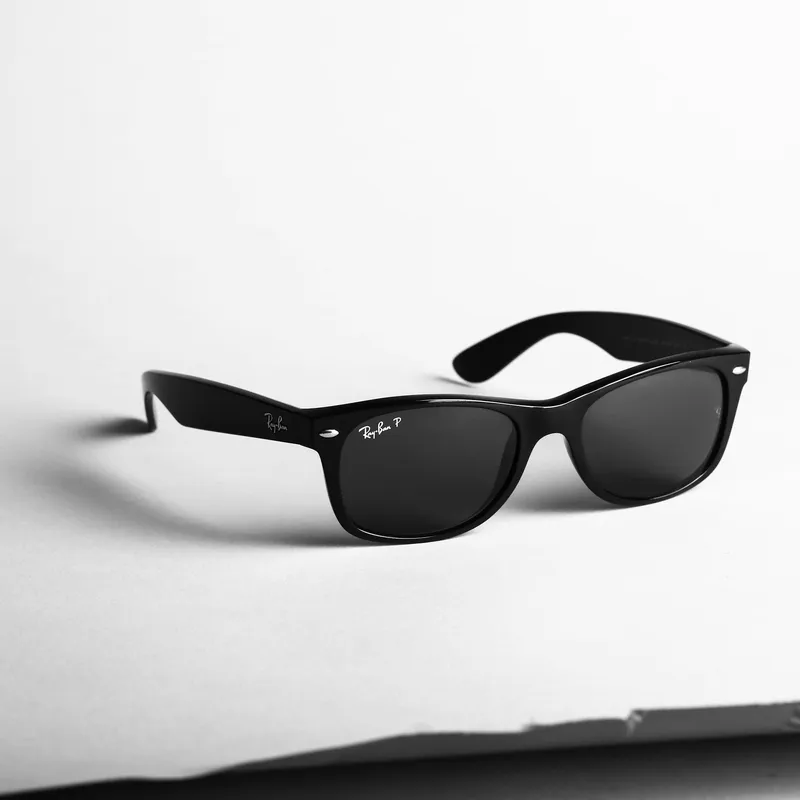
Meta Files Patent for Facial Recognition, Automatic Recording of People
Meta has filed a patent application describing a “memory recall” system for smart glasses that could identify people through facial recognition, detect actions, automatically capture video, and later generate highlight reels. An illustrated example depicts the system recognizing moments at a dinner party and offering a user generated highlights from the event. The patent materials described in the report do not show a prompt seeking permission before recording begins. Meta’s Ray-Ban smart glasses use a white capture LED that blinks while content is recorded. Meta says covering or disabling the LED automatically disables the camera, and has released updates intended to prevent recording when the light is malfunctioning or obscured. Meta has also promoted the indicator as a distinction from phones and action cameras, which generally lack an outward-facing recording light. A patent filing does not establish that Meta will release the feature. The report also says a future version of the glasses might record without the indicator light, which would remove the visible signal currently intended to notify bystanders of recording. Meta was also reported earlier in 2026 to have sent clips containing bank details, sexual activity, and nude people to workers for AI training with limited privacy protections.
privacyguides.org
2 min
8/18/2026

German advocacy group lodges criminal complaint over Meta AI glasses
A German advocacy group has filed a criminal complaint against Meta regarding its AI glasses, citing concerns over privacy violations and data protection. The complaint alleges that the glasses could infringe on individuals' rights by capturing images and audio without consent.
reuters.com
1 min
8/12/2026


Israeli spyware vans infiltrate American streets and your phones
US police SUVs equipped with Cognyte's FalcoNet devices can mimic cell towers, forcing nearby phones to connect and disclose location data. Courts are challenging the legality of mass phone tracking without consent, citing potential violations of Fourth Amendment privacy rights.
cybernews.com
5 min
7/21/2026


SDSU Wired Its Dorms with 1,300 AI Cameras Without Telling Students
San Diego State University installed over 1,300 AI-enabled cameras across campus, including in classrooms, bookstores, dining areas, parking structures, gyms, and residence halls. The project cost more than $1.3 million and was completed in 2024 without prior notification to students.
reclaimthenet.org
4 min
6/8/2026

Anthropic installed a spyware bridge on my machine?
Anthropic installed a spyware file on MacBook systems at the path ~/Library/Application Support/BraveSoftware/Brave-B without user consent or notification. The file was discovered while debugging a personal project related to the Brave Browser.
thatprivacyguy.com
19 min
4/20/2026
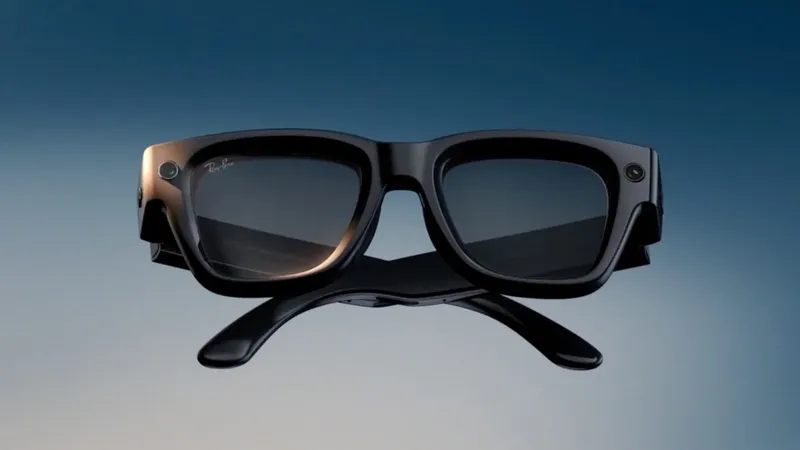
"A serious threat to privacy" Meta issued warning by 75 orgs over planned facial recognition in smart glasses
Meta's planned integration of facial recognition technology into smart glasses has prompted a coalition of 75 organizations to issue a warning, labeling it a “serious threat to privacy.” The coalition urges Meta to abandon the facial recognition initiative due to concerns over privacy implications.
pcguide.com
2 min
4/14/2026

Fedware: Government apps that spy harder than the apps they ban
The White House app includes a sanctioned Chinese tracking SDK and offers access to press releases, livestreams, and policy updates. The FBI app displays advertisements, while FEMA requests 28 permissions to provide weather alerts.
sambent.com
7 min
3/30/2026
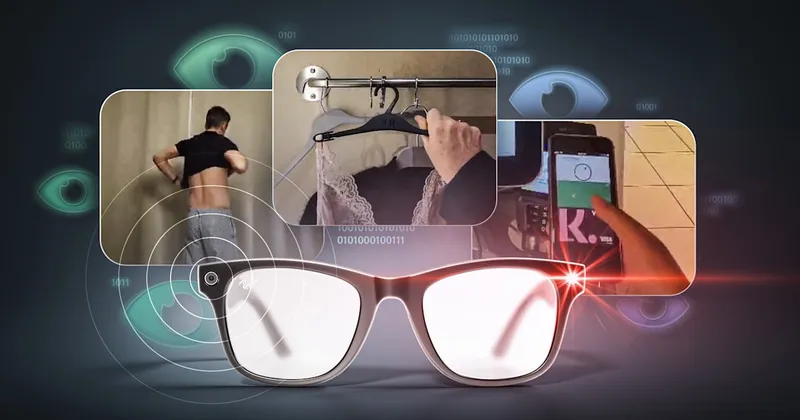
Meta Files Patent for Facial Recognition, Automatic Recording of People
Meta has filed a patent application describing a “memory recall” system for smart glasses that could identify people through facial recognition, detect actions, automatically capture video, and later generate highlight reels. An illustrated example depicts the system recognizing moments at a dinner party and offering a user generated highlights from the event. The patent materials described in the report do not show a prompt seeking permission before recording begins. Meta’s Ray-Ban smart glasses use a white capture LED that blinks while content is recorded. Meta says covering or disabling the LED automatically disables the camera, and has released updates intended to prevent recording when the light is malfunctioning or obscured. Meta has also promoted the indicator as a distinction from phones and action cameras, which generally lack an outward-facing recording light. A patent filing does not establish that Meta will release the feature. The report also says a future version of the glasses might record without the indicator light, which would remove the visible signal currently intended to notify bystanders of recording. Meta was also reported earlier in 2026 to have sent clips containing bank details, sexual activity, and nude people to workers for AI training with limited privacy protections.
privacyguides.org
2 min
8/18/2026
Everything you do is being recorded
Anthony “Bingy” Arillotta was made a member of the Genovese crime family in August 2003. He was required to surrender his cellphone, beeper, and jewelry before being strip-searched for electronic devices at a meeting location.
theatlantic.com
8 min
8/9/2026
Google Chrome Installed a 4GB AI Model on Your PC
Google Chrome has installed a 4GB AI model named Gemini Nano on users' PCs without consent. The model is located in the browser's folder and is intended to enhance privacy features.
oztalking.com
11 min
7/6/2026
Anthropic installed a spyware bridge on my machine?
Anthropic installed a spyware file on MacBook systems at the path ~/Library/Application Support/BraveSoftware/Brave-B without user consent or notification. The file was discovered while debugging a personal project related to the Brave Browser.
thatprivacyguy.com
19 min
4/20/2026
Fedware: Government apps that spy harder than the apps they ban
The White House app includes a sanctioned Chinese tracking SDK and offers access to press releases, livestreams, and policy updates. The FBI app displays advertisements, while FEMA requests 28 permissions to provide weather alerts.
sambent.com
7 min
3/30/2026
German advocacy group lodges criminal complaint over Meta AI glasses
A German advocacy group has filed a criminal complaint against Meta regarding its AI glasses, citing concerns over privacy violations and data protection. The complaint alleges that the glasses could infringe on individuals' rights by capturing images and audio without consent.
reuters.com
1 min
8/12/2026
Israeli spyware vans infiltrate American streets and your phones
US police SUVs equipped with Cognyte's FalcoNet devices can mimic cell towers, forcing nearby phones to connect and disclose location data. Courts are challenging the legality of mass phone tracking without consent, citing potential violations of Fourth Amendment privacy rights.
cybernews.com
5 min
7/21/2026
SDSU Wired Its Dorms with 1,300 AI Cameras Without Telling Students
San Diego State University installed over 1,300 AI-enabled cameras across campus, including in classrooms, bookstores, dining areas, parking structures, gyms, and residence halls. The project cost more than $1.3 million and was completed in 2024 without prior notification to students.
reclaimthenet.org
4 min
6/8/2026
"A serious threat to privacy" Meta issued warning by 75 orgs over planned facial recognition in smart glasses
Meta's planned integration of facial recognition technology into smart glasses has prompted a coalition of 75 organizations to issue a warning, labeling it a “serious threat to privacy.” The coalition urges Meta to abandon the facial recognition initiative due to concerns over privacy implications.
pcguide.com
2 min
4/14/2026
Meta Files Patent for Facial Recognition, Automatic Recording of People
Meta has filed a patent application describing a “memory recall” system for smart glasses that could identify people through facial recognition, detect actions, automatically capture video, and later generate highlight reels. An illustrated example depicts the system recognizing moments at a dinner party and offering a user generated highlights from the event. The patent materials described in the report do not show a prompt seeking permission before recording begins. Meta’s Ray-Ban smart glasses use a white capture LED that blinks while content is recorded. Meta says covering or disabling the LED automatically disables the camera, and has released updates intended to prevent recording when the light is malfunctioning or obscured. Meta has also promoted the indicator as a distinction from phones and action cameras, which generally lack an outward-facing recording light. A patent filing does not establish that Meta will release the feature. The report also says a future version of the glasses might record without the indicator light, which would remove the visible signal currently intended to notify bystanders of recording. Meta was also reported earlier in 2026 to have sent clips containing bank details, sexual activity, and nude people to workers for AI training with limited privacy protections.
privacyguides.org
2 min
8/18/2026
Israeli spyware vans infiltrate American streets and your phones
US police SUVs equipped with Cognyte's FalcoNet devices can mimic cell towers, forcing nearby phones to connect and disclose location data. Courts are challenging the legality of mass phone tracking without consent, citing potential violations of Fourth Amendment privacy rights.
cybernews.com
5 min
7/21/2026
Anthropic installed a spyware bridge on my machine?
Anthropic installed a spyware file on MacBook systems at the path ~/Library/Application Support/BraveSoftware/Brave-B without user consent or notification. The file was discovered while debugging a personal project related to the Brave Browser.
thatprivacyguy.com
19 min
4/20/2026
German advocacy group lodges criminal complaint over Meta AI glasses
A German advocacy group has filed a criminal complaint against Meta regarding its AI glasses, citing concerns over privacy violations and data protection. The complaint alleges that the glasses could infringe on individuals' rights by capturing images and audio without consent.
reuters.com
1 min
8/12/2026
Google Chrome Installed a 4GB AI Model on Your PC
Google Chrome has installed a 4GB AI model named Gemini Nano on users' PCs without consent. The model is located in the browser's folder and is intended to enhance privacy features.
oztalking.com
11 min
7/6/2026
"A serious threat to privacy" Meta issued warning by 75 orgs over planned facial recognition in smart glasses
Meta's planned integration of facial recognition technology into smart glasses has prompted a coalition of 75 organizations to issue a warning, labeling it a “serious threat to privacy.” The coalition urges Meta to abandon the facial recognition initiative due to concerns over privacy implications.
pcguide.com
2 min
4/14/2026
Everything you do is being recorded
Anthony “Bingy” Arillotta was made a member of the Genovese crime family in August 2003. He was required to surrender his cellphone, beeper, and jewelry before being strip-searched for electronic devices at a meeting location.
theatlantic.com
8 min
8/9/2026
SDSU Wired Its Dorms with 1,300 AI Cameras Without Telling Students
San Diego State University installed over 1,300 AI-enabled cameras across campus, including in classrooms, bookstores, dining areas, parking structures, gyms, and residence halls. The project cost more than $1.3 million and was completed in 2024 without prior notification to students.
reclaimthenet.org
4 min
6/8/2026
Fedware: Government apps that spy harder than the apps they ban
The White House app includes a sanctioned Chinese tracking SDK and offers access to press releases, livestreams, and policy updates. The FBI app displays advertisements, while FEMA requests 28 permissions to provide weather alerts.
sambent.com
7 min
3/30/2026
No more articles to load