Meta Files Patent for Facial Recognition, Automatic Recording of People
privacyguides.org
August 18, 2026
2 min read
60/100
Summary
Meta has filed a patent application describing a “memory recall” system for smart glasses that could identify people through facial recognition, detect actions, automatically capture video, and later generate highlight reels. An illustrated example depicts the system recognizing moments at a dinner party and offering a user generated highlights from the event. The patent materials described in the report do not show a prompt seeking permission before recording begins. Meta’s Ray-Ban smart glasses use a white capture LED that blinks while content is recorded. Meta says covering or disabling the LED automatically disables the camera, and has released updates intended to prevent recording when the light is malfunctioning or obscured. Meta has also promoted the indicator as a distinction from phones and action cameras, which generally lack an outward-facing recording light. A patent filing does not establish that Meta will release the feature. The report also says a future version of the glasses might record without the indicator light, which would remove the visible signal currently intended to notify bystanders of recording. Meta was also reported earlier in 2026 to have sent clips containing bank details, sexual activity, and nude people to workers for AI training with limited privacy protections.
Key Takeaways
- Meta filed a patent application for smart-glasses software that could use facial recognition and action detection to automatically record people and create highlight reels.
- Meta’s patent example shows the system generating highlights from a dinner party without depicting a user prompt requesting that recording start.
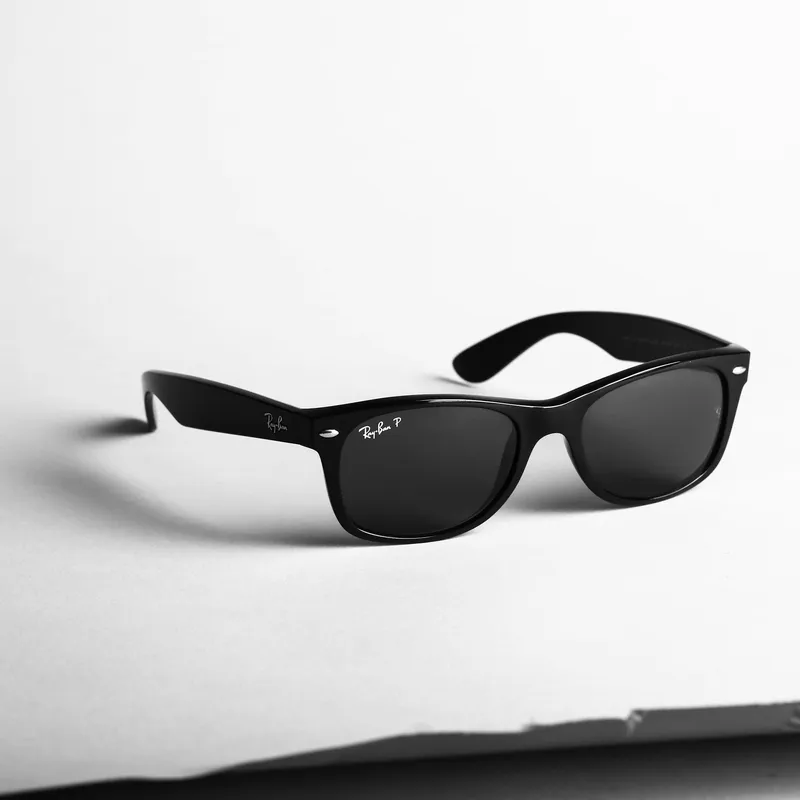
- Meta says its current Ray-Ban smart glasses disable their cameras when the blinking capture LED is covered or not working.
- A patent application does not mean Meta will ship the described facial-recognition and automatic-recording feature.
What the discussion said
The thread treated the patent less as a narrow intellectual-property story than as another step toward ubiquitous AI-assisted surveillance. Most commenters focused on camera glasses paired with facial recognition, automatic recording, and large identity databases, arguing that the danger is not merely a wearer filming a stranger but portable collection at intimate, mobile, and previously unmonitored locations. Meta's existing reputation on privacy made readers especially unwilling to grant it the benefit of the doubt, and some cited reports of facial-recognition code already present in its AI products as evidence that this direction is not hypothetical. A strong majority expected social resistance, including reputational damage for Ray-Ban and discomfort around conspicuous camera glasses. But several readers pushed back on the confidence that public norms will stop the technology: smartphones, smart speakers, doorbells, and other surveillance tools also seemed unacceptable before convenience normalized them. One minority case cast the glasses as potential evidence-gathering tools for communities facing police abuse, where hands-free recording could preserve critical context. That argument met the thread's clearest rebuttal: expanding universal capture to solve state abuse risks furnishing the state with a richer facial-recognition dragnet. A smaller technical exchange emphasized that this differs from fixed security cameras precisely because the system travels everywhere and can be tied to centralized identification.
Where opinion split
The sharpest split is whether always-available recording glasses could protect vulnerable people or chiefly expand surveillance. Supporters see hands-free, continuous footage as a way to document police abuse when a phone cannot capture enough context; opponents argue that the same facial-recognition network would hand police, immigration enforcement, and private platforms a vastly more powerful tool for tracking people.
Community Sentiment
Positives
- Hands-free, continuous capture could give people facing police intimidation evidence that preserves context a hurried phone recording may miss.
- Privacy-preserving AR is technically conceivable if incentives and law force local processing and strict limits on data collection, rather than treating surveillance as the default.
Concerns
- Automatic recording plus facial recognition turns eyewear into a roaming surveillance sensor, reaching bathrooms, streets, and private encounters where fixed cameras rarely go.
- Meta's privacy record makes a patent for identifying and recording bystanders look less like benign AR research than infrastructure for extracting identity data without meaningful consent.
- Even failed camera-glass products can shift the social baseline; repeated launches normalize being recorded until resistance erodes before the hardware becomes genuinely useful.
- A centralized face database linked to mobile footage invites government access, enabling police or immigration authorities to identify and pursue people at population scale.
- Generative AI makes covert capture more damaging: ordinary footage can be repurposed into sexualized synthetic material, multiplying the harm beyond the original recording.
Related Articles
Workers report watching Ray-Ban Meta-shot footage of people using the bathroom
Mar 9, 2026
"A serious threat to privacy" Meta issued warning by 75 orgs over planned facial recognition in smart glasses
Apr 14, 2026
Meta’s AI smart glasses and data privacy concerns
Mar 2, 2026
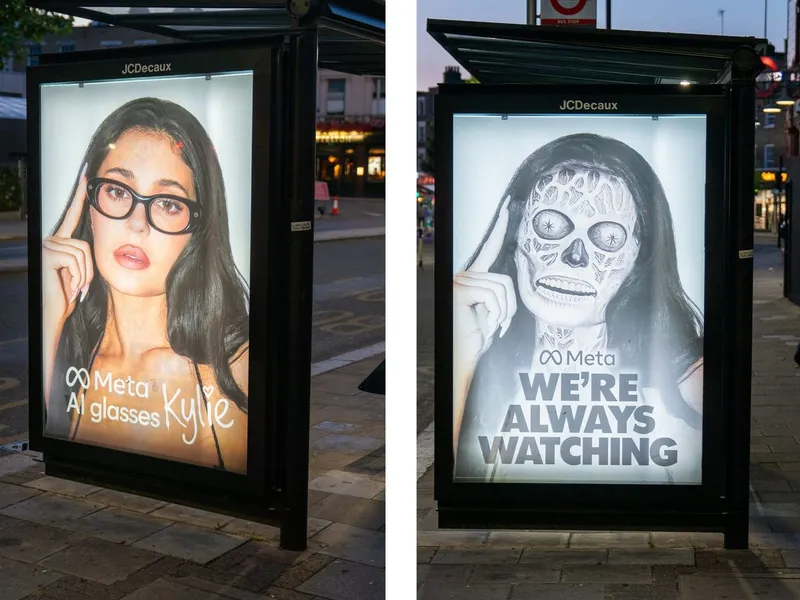
Guerrilla London bus ads mock Kylie Jenner’s Meta glasses campaign
Jul 16, 2026

Meta is adding rate limits and soft paywall to smart glasses
Jul 1, 2026