Why We're Banning AI
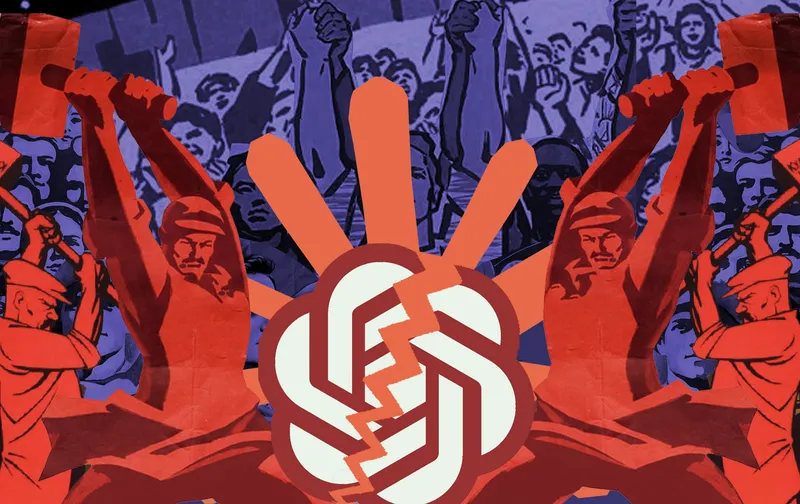
Current Affairs has adopted a union-contract policy barring AI-generated text and AI-generated illustrations from publication. The nonprofit, unionized magazine says readers will receive human-written work and human-created art, while continuing to pay writers and artists for research, editing, illustration, layout, and other production work. Its policy does not prohibit every software tool described as AI: writers may use tools for research, and artists may use tools for limited tasks such as changing a color, adding texture, or creating a small element. The magazine says it adopted the ban to oppose publishers’ use of generative AI to reduce labor costs and replace creative workers. It cites Business Insider CEO Barbara Peng’s statement that the publication is “all in on AI,” Sports Illustrated’s publication of AI-written material under nonexistent bylines, and a Wall Street Journal op-ed attributed to Stan Druckenmiller that was later found to have been AI-generated. Current Affairs also cites Futurism’s reporting that more than 200,000 creative-industry jobs were lost over four years amid what it called one of the worst periods for U.S. media employment. The magazine argues that generative-AI systems trained on artists’ work are being used to displace artists, and urges readers not to support publications that use AI-generated media.
currentaffairs.org
8 min
1d ago
Why We're Banning AI
Current Affairs has adopted a union-contract policy barring AI-generated text and AI-generated illustrations from publication. The nonprofit, unionized magazine says readers will receive human-written work and human-created art, while continuing to pay writers and artists for research, editing, illustration, layout, and other production work. Its policy does not prohibit every software tool described as AI: writers may use tools for research, and artists may use tools for limited tasks such as changing a color, adding texture, or creating a small element. The magazine says it adopted the ban to oppose publishers’ use of generative AI to reduce labor costs and replace creative workers. It cites Business Insider CEO Barbara Peng’s statement that the publication is “all in on AI,” Sports Illustrated’s publication of AI-written material under nonexistent bylines, and a Wall Street Journal op-ed attributed to Stan Druckenmiller that was later found to have been AI-generated. Current Affairs also cites Futurism’s reporting that more than 200,000 creative-industry jobs were lost over four years amid what it called one of the worst periods for U.S. media employment. The magazine argues that generative-AI systems trained on artists’ work are being used to displace artists, and urges readers not to support publications that use AI-generated media.
currentaffairs.org
8 min
1d ago
Why We're Banning AI
Current Affairs has adopted a union-contract policy barring AI-generated text and AI-generated illustrations from publication. The nonprofit, unionized magazine says readers will receive human-written work and human-created art, while continuing to pay writers and artists for research, editing, illustration, layout, and other production work. Its policy does not prohibit every software tool described as AI: writers may use tools for research, and artists may use tools for limited tasks such as changing a color, adding texture, or creating a small element. The magazine says it adopted the ban to oppose publishers’ use of generative AI to reduce labor costs and replace creative workers. It cites Business Insider CEO Barbara Peng’s statement that the publication is “all in on AI,” Sports Illustrated’s publication of AI-written material under nonexistent bylines, and a Wall Street Journal op-ed attributed to Stan Druckenmiller that was later found to have been AI-generated. Current Affairs also cites Futurism’s reporting that more than 200,000 creative-industry jobs were lost over four years amid what it called one of the worst periods for U.S. media employment. The magazine argues that generative-AI systems trained on artists’ work are being used to displace artists, and urges readers not to support publications that use AI-generated media.
currentaffairs.org
8 min
1d ago
No more articles to load