
Seeing beyond BMI: Estimating cardiometabolic risk with smartphone imagery
Google Research introduced PhotoScan, an investigational deep-learning system that estimates body-fat percentage, Android-to-Gynoid fat ratio and Visceral-to-Subcutaneous fat ratio from standard 2D smartphone photos. The system was pre-trained on more than 35,000 UK Biobank participant records and fine-tuned using a cohort of 677 adults. It is intended to estimate body-composition markers associated with insulin resistance, which is commonly defined by a HOMA-IR score above 2.9 and can precede type 2 diabetes by years. In five-fold cross-validation on the PhotoBIA cohort, PhotoScan produced a mean absolute error of 2.15 for body-fat percentage, compared with 2.91 for smartwatch bioelectrical-impedance analysis. Independent validation in the MetabolicMosaic cohort produced errors of 2.13 for body-fat percentage, 0.085 for the Android-to-Gynoid ratio and 0.085 for the Visceral-to-Subcutaneous ratio. A gradient-boosting model using demographics plus PhotoScan metrics reached an AUROC of 0.760 for identifying insulin resistance, versus 0.692 for demographics alone and 0.773 for demographics plus DXA scan data. Adding smartwatch bioelectrical-impedance data did not improve insulin-resistance classification. Google describes PhotoScan as a research prototype rather than a clinical screening product.
research.google
6 min
8/20/2026

GPT 5.6 Sol is the best "vision" model OpenAI ever released
OpenAI's GPT-5.6 lineup includes the Sol, Terra, and Luna models, with a focus on enhanced computer use and the ability to navigate desktop applications. The models demonstrate improved visual understanding, which will be evaluated using an upcoming visual language model benchmark.
blog.roboflow.com
6 min
8/17/2026
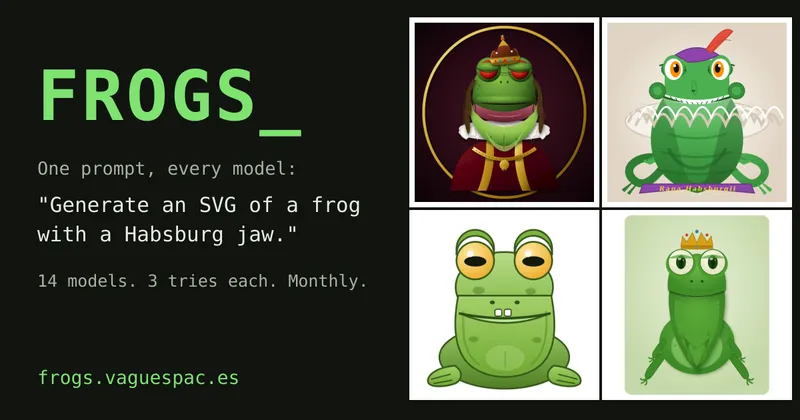
My personal AI benchmark: "Generate an SVG of a frog with a Habsburg jaw."
FROGS_ is a benchmark for SVG (Scalable Vector Graphics) focusing on the Habsburg jaw, featuring structural labels and editorial interpretations of anatomical features such as a "massive protruding mandible" and a "recessed" upper lip. The SVG includes a linear gradient definition for skin tones.
frogs.vaguespac.es
1 min
8/2/2026
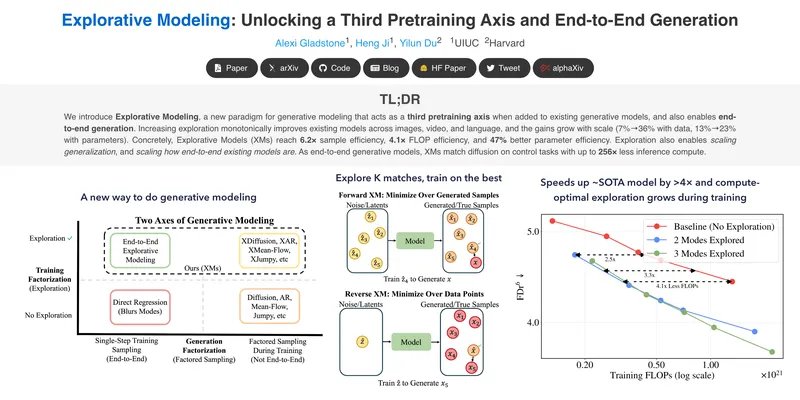
Explorative modeling: Train on the best of K guesses
Explorative Modeling introduces a third pretraining axis for generative models, enhancing end-to-end generation capabilities. Increased exploration leads to improved performance across images, video, and language, with benefits scaling alongside model size.
alexiglad.github.io
17 min
8/1/2026

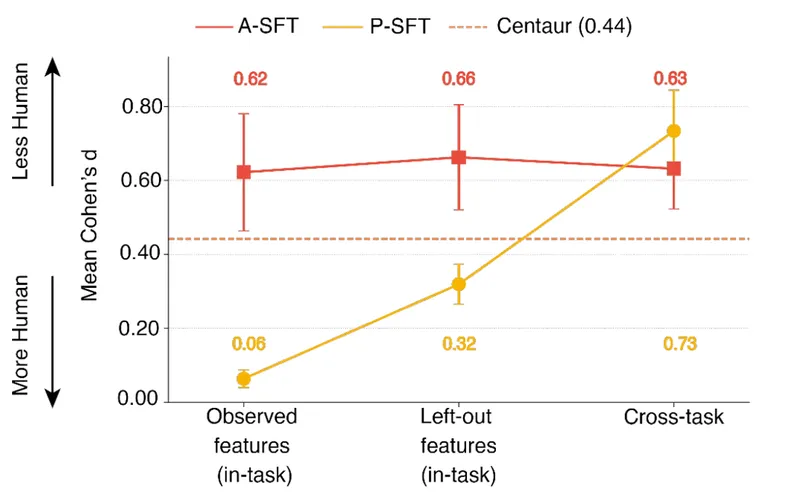
CAPTCHAs can still detect AI agents
AI systems can surpass humans in various tasks but utilize different cognitive processes, allowing for the detection of AI agents and bots. Despite advancements in AI, CAPTCHAs remain effective in certain scenarios, as visual language models can recognize specific objects but may struggle with more complex tasks that require human-like reasoning.
research.roundtable.ai
4 min
5/29/2026
GLM-5V-Turbo: Toward a Native Foundation Model for Multimodal Agents
GLM-5V-Turbo is a foundation model designed for multimodal agents, enhancing their capabilities in language reasoning and perception across diverse contexts. The model aims to improve the performance of agents in real-world applications by integrating various modalities.
arxiv.org
2 min
5/5/2026
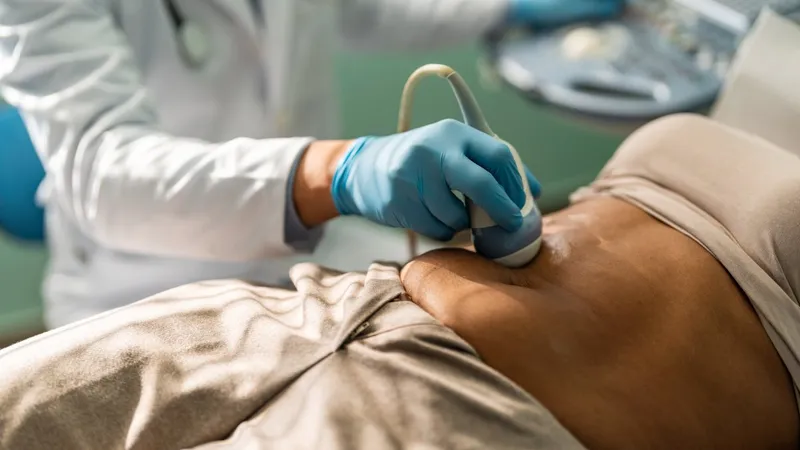
AI finds signs of pancreatic cancer before tumors develop
An AI model developed at the Mayo Clinic detected abnormalities on CT scans up to three years before patients were diagnosed with pancreatic cancer. This capability may allow for earlier intervention, improving treatment outcomes.
nbclosangeles.com
4 min
5/3/2026
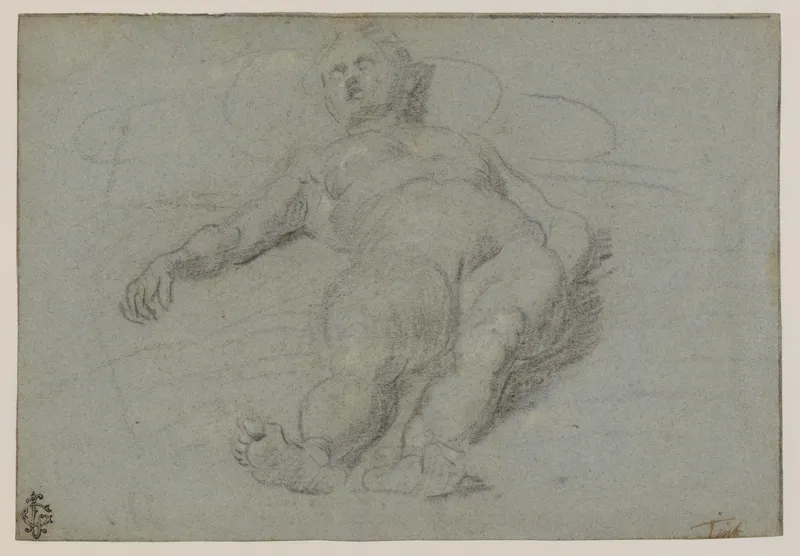
ML supports existence of unrecognized transient astronomical phenomena
Machine learning techniques have identified previously unrecognized transient astronomical phenomena in historical observatory images. These phenomena consist of transient, star-like point sources that appeared and disappeared over short timescales before the launch of Sputnik.
arxiv.org
2 min
4/24/2026

Learning athletic humanoid tennis skills from imperfect human motion data
LATENT enables the simulation of highly-dynamic tennis rallies by human athletes, showcasing versatile skills in a competitive environment. Developed by researchers from Tsinghua University, Peking University, and other institutions, it utilizes advanced AI techniques for real-time performance.
zzk273.github.io
1 min
3/15/2026
Seeing beyond BMI: Estimating cardiometabolic risk with smartphone imagery
Google Research introduced PhotoScan, an investigational deep-learning system that estimates body-fat percentage, Android-to-Gynoid fat ratio and Visceral-to-Subcutaneous fat ratio from standard 2D smartphone photos. The system was pre-trained on more than 35,000 UK Biobank participant records and fine-tuned using a cohort of 677 adults. It is intended to estimate body-composition markers associated with insulin resistance, which is commonly defined by a HOMA-IR score above 2.9 and can precede type 2 diabetes by years. In five-fold cross-validation on the PhotoBIA cohort, PhotoScan produced a mean absolute error of 2.15 for body-fat percentage, compared with 2.91 for smartwatch bioelectrical-impedance analysis. Independent validation in the MetabolicMosaic cohort produced errors of 2.13 for body-fat percentage, 0.085 for the Android-to-Gynoid ratio and 0.085 for the Visceral-to-Subcutaneous ratio. A gradient-boosting model using demographics plus PhotoScan metrics reached an AUROC of 0.760 for identifying insulin resistance, versus 0.692 for demographics alone and 0.773 for demographics plus DXA scan data. Adding smartwatch bioelectrical-impedance data did not improve insulin-resistance classification. Google describes PhotoScan as a research prototype rather than a clinical screening product.
research.google
6 min
8/20/2026
My personal AI benchmark: "Generate an SVG of a frog with a Habsburg jaw."
FROGS_ is a benchmark for SVG (Scalable Vector Graphics) focusing on the Habsburg jaw, featuring structural labels and editorial interpretations of anatomical features such as a "massive protruding mandible" and a "recessed" upper lip. The SVG includes a linear gradient definition for skin tones.
frogs.vaguespac.es
1 min
8/2/2026
Flux 3
FLUX 3 is a multimodal foundation model that learns from images, videos, and audio within a unified architecture. It aims to create a comprehensive representation of the world by understanding object interactions, movements, and corresponding sounds.
bfl.ai
6 min
7/24/2026
GLM-5V-Turbo: Toward a Native Foundation Model for Multimodal Agents
GLM-5V-Turbo is a foundation model designed for multimodal agents, enhancing their capabilities in language reasoning and perception across diverse contexts. The model aims to improve the performance of agents in real-world applications by integrating various modalities.
arxiv.org
2 min
5/5/2026
ML supports existence of unrecognized transient astronomical phenomena
Machine learning techniques have identified previously unrecognized transient astronomical phenomena in historical observatory images. These phenomena consist of transient, star-like point sources that appeared and disappeared over short timescales before the launch of Sputnik.
arxiv.org
2 min
4/24/2026
GPT 5.6 Sol is the best "vision" model OpenAI ever released
OpenAI's GPT-5.6 lineup includes the Sol, Terra, and Luna models, with a focus on enhanced computer use and the ability to navigate desktop applications. The models demonstrate improved visual understanding, which will be evaluated using an upcoming visual language model benchmark.
blog.roboflow.com
6 min
8/17/2026
Explorative modeling: Train on the best of K guesses
Explorative Modeling introduces a third pretraining axis for generative models, enhancing end-to-end generation capabilities. Increased exploration leads to improved performance across images, video, and language, with benefits scaling alongside model size.
alexiglad.github.io
17 min
8/1/2026
CAPTCHAs can still detect AI agents
AI systems can surpass humans in various tasks but utilize different cognitive processes, allowing for the detection of AI agents and bots. Despite advancements in AI, CAPTCHAs remain effective in certain scenarios, as visual language models can recognize specific objects but may struggle with more complex tasks that require human-like reasoning.
research.roundtable.ai
4 min
5/29/2026
AI finds signs of pancreatic cancer before tumors develop
An AI model developed at the Mayo Clinic detected abnormalities on CT scans up to three years before patients were diagnosed with pancreatic cancer. This capability may allow for earlier intervention, improving treatment outcomes.
nbclosangeles.com
4 min
5/3/2026
Learning athletic humanoid tennis skills from imperfect human motion data
LATENT enables the simulation of highly-dynamic tennis rallies by human athletes, showcasing versatile skills in a competitive environment. Developed by researchers from Tsinghua University, Peking University, and other institutions, it utilizes advanced AI techniques for real-time performance.
zzk273.github.io
1 min
3/15/2026
Seeing beyond BMI: Estimating cardiometabolic risk with smartphone imagery
Google Research introduced PhotoScan, an investigational deep-learning system that estimates body-fat percentage, Android-to-Gynoid fat ratio and Visceral-to-Subcutaneous fat ratio from standard 2D smartphone photos. The system was pre-trained on more than 35,000 UK Biobank participant records and fine-tuned using a cohort of 677 adults. It is intended to estimate body-composition markers associated with insulin resistance, which is commonly defined by a HOMA-IR score above 2.9 and can precede type 2 diabetes by years. In five-fold cross-validation on the PhotoBIA cohort, PhotoScan produced a mean absolute error of 2.15 for body-fat percentage, compared with 2.91 for smartwatch bioelectrical-impedance analysis. Independent validation in the MetabolicMosaic cohort produced errors of 2.13 for body-fat percentage, 0.085 for the Android-to-Gynoid ratio and 0.085 for the Visceral-to-Subcutaneous ratio. A gradient-boosting model using demographics plus PhotoScan metrics reached an AUROC of 0.760 for identifying insulin resistance, versus 0.692 for demographics alone and 0.773 for demographics plus DXA scan data. Adding smartwatch bioelectrical-impedance data did not improve insulin-resistance classification. Google describes PhotoScan as a research prototype rather than a clinical screening product.
research.google
6 min
8/20/2026
Explorative modeling: Train on the best of K guesses
Explorative Modeling introduces a third pretraining axis for generative models, enhancing end-to-end generation capabilities. Increased exploration leads to improved performance across images, video, and language, with benefits scaling alongside model size.
alexiglad.github.io
17 min
8/1/2026
GLM-5V-Turbo: Toward a Native Foundation Model for Multimodal Agents
GLM-5V-Turbo is a foundation model designed for multimodal agents, enhancing their capabilities in language reasoning and perception across diverse contexts. The model aims to improve the performance of agents in real-world applications by integrating various modalities.
arxiv.org
2 min
5/5/2026
Learning athletic humanoid tennis skills from imperfect human motion data
LATENT enables the simulation of highly-dynamic tennis rallies by human athletes, showcasing versatile skills in a competitive environment. Developed by researchers from Tsinghua University, Peking University, and other institutions, it utilizes advanced AI techniques for real-time performance.
zzk273.github.io
1 min
3/15/2026
GPT 5.6 Sol is the best "vision" model OpenAI ever released
OpenAI's GPT-5.6 lineup includes the Sol, Terra, and Luna models, with a focus on enhanced computer use and the ability to navigate desktop applications. The models demonstrate improved visual understanding, which will be evaluated using an upcoming visual language model benchmark.
blog.roboflow.com
6 min
8/17/2026
Flux 3
FLUX 3 is a multimodal foundation model that learns from images, videos, and audio within a unified architecture. It aims to create a comprehensive representation of the world by understanding object interactions, movements, and corresponding sounds.
bfl.ai
6 min
7/24/2026
AI finds signs of pancreatic cancer before tumors develop
An AI model developed at the Mayo Clinic detected abnormalities on CT scans up to three years before patients were diagnosed with pancreatic cancer. This capability may allow for earlier intervention, improving treatment outcomes.
nbclosangeles.com
4 min
5/3/2026
My personal AI benchmark: "Generate an SVG of a frog with a Habsburg jaw."
FROGS_ is a benchmark for SVG (Scalable Vector Graphics) focusing on the Habsburg jaw, featuring structural labels and editorial interpretations of anatomical features such as a "massive protruding mandible" and a "recessed" upper lip. The SVG includes a linear gradient definition for skin tones.
frogs.vaguespac.es
1 min
8/2/2026
CAPTCHAs can still detect AI agents
AI systems can surpass humans in various tasks but utilize different cognitive processes, allowing for the detection of AI agents and bots. Despite advancements in AI, CAPTCHAs remain effective in certain scenarios, as visual language models can recognize specific objects but may struggle with more complex tasks that require human-like reasoning.
research.roundtable.ai
4 min
5/29/2026
ML supports existence of unrecognized transient astronomical phenomena
Machine learning techniques have identified previously unrecognized transient astronomical phenomena in historical observatory images. These phenomena consist of transient, star-like point sources that appeared and disappeared over short timescales before the launch of Sputnik.
arxiv.org
2 min
4/24/2026