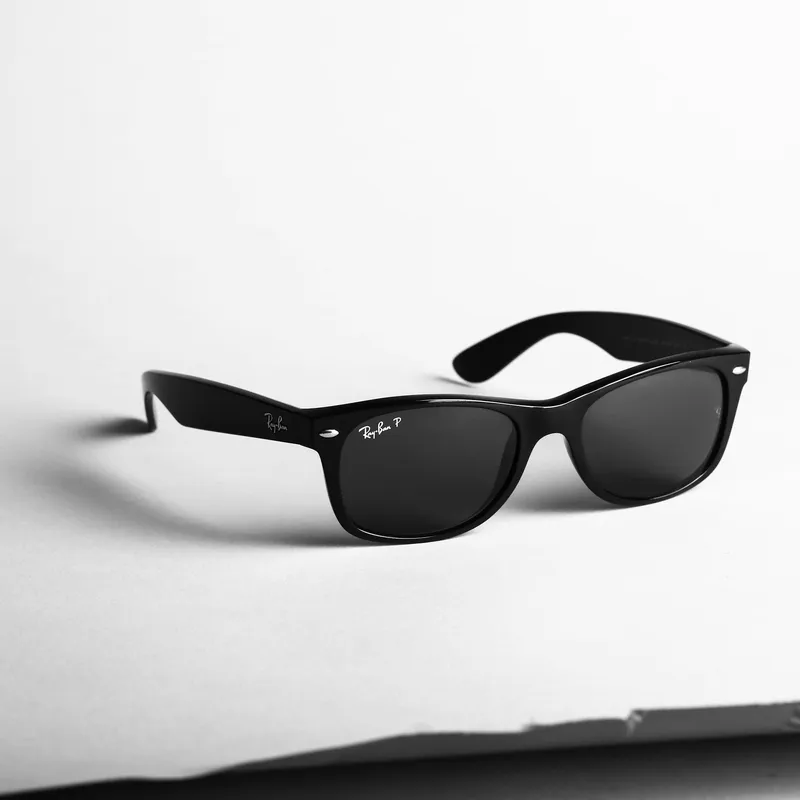
Meta Files Patent for Facial Recognition, Automatic Recording of People
Meta has filed a patent application describing a “memory recall” system for smart glasses that could identify people through facial recognition, detect actions, automatically capture video, and later generate highlight reels. An illustrated example depicts the system recognizing moments at a dinner party and offering a user generated highlights from the event. The patent materials described in the report do not show a prompt seeking permission before recording begins. Meta’s Ray-Ban smart glasses use a white capture LED that blinks while content is recorded. Meta says covering or disabling the LED automatically disables the camera, and has released updates intended to prevent recording when the light is malfunctioning or obscured. Meta has also promoted the indicator as a distinction from phones and action cameras, which generally lack an outward-facing recording light. A patent filing does not establish that Meta will release the feature. The report also says a future version of the glasses might record without the indicator light, which would remove the visible signal currently intended to notify bystanders of recording. Meta was also reported earlier in 2026 to have sent clips containing bank details, sexual activity, and nude people to workers for AI training with limited privacy protections.
privacyguides.org
2 min
8/18/2026
&w=600&h=300&scale=both)

Exit Chat Control
Regulation 2024/982 implements Prüm II, allowing the automated exchange of facial images, including those of unconvicted suspects, among police forces across Europe via a central router. EDRi has criticized this regulation for being adopted without substantial national debate, raising concerns about privacy and civil liberties.
exitchatcontrol.org
15 min
7/10/2026

AI misidentification results in wrongful arrest; man seeks justice
Jalil Richardson was wrongfully arrested in Florida and North Carolina due to misidentification by AI facial recognition technology in a vehicle theft case. Charges against him were dropped after months of incarceration, resulting in significant personal losses including his job, home, and custody of two children.
wsoctv.com
3 min
6/9/2026
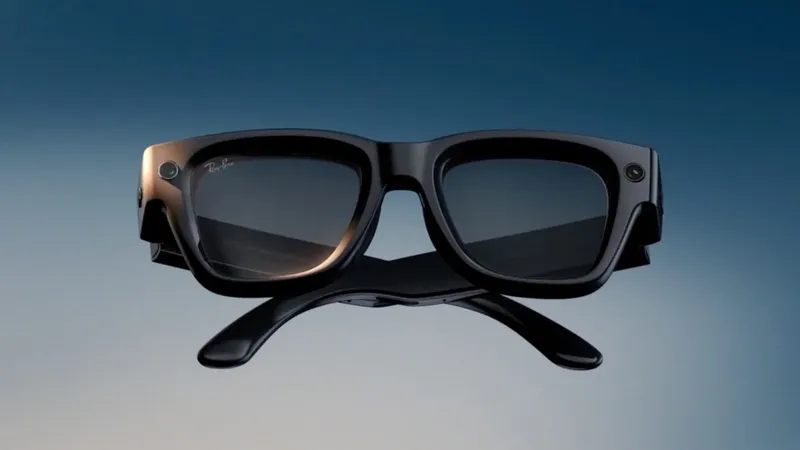
"A serious threat to privacy" Meta issued warning by 75 orgs over planned facial recognition in smart glasses
Meta's planned integration of facial recognition technology into smart glasses has prompted a coalition of 75 organizations to issue a warning, labeling it a “serious threat to privacy.” The coalition urges Meta to abandon the facial recognition initiative due to concerns over privacy implications.
pcguide.com
2 min
4/14/2026

Police used AI facial recognition to wrongly arrest TN woman for crimes in ND
A Tennessee grandmother, Angela Lipps, was arrested for crimes committed in North Dakota based on AI facial recognition technology, despite her claims of never visiting the state. Fargo police acknowledged "a few errors" in the case and have committed to operational changes.
cnn.com
9 min
3/29/2026

Tennessee grandmother jailed after AI face recognition error links her to fraud
A Tennessee grandmother, Angela Lipps, was jailed for nearly six months due to a facial recognition error that incorrectly linked her to a bank fraud investigation in North Dakota. Lipps claims she has never visited North Dakota and is now working to rebuild her life after the incident.
theguardian.com
3 min
3/13/2026

CBP Signs Clearview AI Deal to Use Face Recognition for 'Tactical Targeting'
United States Customs and Border Protection has signed a $225,000 deal for one year of access to Clearview AI, a face recognition tool that compares photos against billions of internet-sourced images. This access will be provided to the Border Patrol’s intelligence division and the National Targeting Center to enhance their data collection and analysis efforts.
wired.com
3 min
2/13/2026

ICE, CBP Knew Facial Recognition App Couldn't Do What DHS Says It Could
The DHS and its components deployed a facial recognition app despite knowing it could not perform as claimed. The implementation is part of efforts to increase deportations, aligning with specific political goals.
techdirt.com
5 min
2/12/2026
Meta Files Patent for Facial Recognition, Automatic Recording of People
Meta has filed a patent application describing a “memory recall” system for smart glasses that could identify people through facial recognition, detect actions, automatically capture video, and later generate highlight reels. An illustrated example depicts the system recognizing moments at a dinner party and offering a user generated highlights from the event. The patent materials described in the report do not show a prompt seeking permission before recording begins. Meta’s Ray-Ban smart glasses use a white capture LED that blinks while content is recorded. Meta says covering or disabling the LED automatically disables the camera, and has released updates intended to prevent recording when the light is malfunctioning or obscured. Meta has also promoted the indicator as a distinction from phones and action cameras, which generally lack an outward-facing recording light. A patent filing does not establish that Meta will release the feature. The report also says a future version of the glasses might record without the indicator light, which would remove the visible signal currently intended to notify bystanders of recording. Meta was also reported earlier in 2026 to have sent clips containing bank details, sexual activity, and nude people to workers for AI training with limited privacy protections.
privacyguides.org
2 min
8/18/2026
Exit Chat Control
Regulation 2024/982 implements Prüm II, allowing the automated exchange of facial images, including those of unconvicted suspects, among police forces across Europe via a central router. EDRi has criticized this regulation for being adopted without substantial national debate, raising concerns about privacy and civil liberties.
exitchatcontrol.org
15 min
7/10/2026
"A serious threat to privacy" Meta issued warning by 75 orgs over planned facial recognition in smart glasses
Meta's planned integration of facial recognition technology into smart glasses has prompted a coalition of 75 organizations to issue a warning, labeling it a “serious threat to privacy.” The coalition urges Meta to abandon the facial recognition initiative due to concerns over privacy implications.
pcguide.com
2 min
4/14/2026
Tennessee grandmother jailed after AI face recognition error links her to fraud
A Tennessee grandmother, Angela Lipps, was jailed for nearly six months due to a facial recognition error that incorrectly linked her to a bank fraud investigation in North Dakota. Lipps claims she has never visited North Dakota and is now working to rebuild her life after the incident.
theguardian.com
3 min
3/13/2026
ICE, CBP Knew Facial Recognition App Couldn't Do What DHS Says It Could
The DHS and its components deployed a facial recognition app despite knowing it could not perform as claimed. The implementation is part of efforts to increase deportations, aligning with specific political goals.
techdirt.com
5 min
2/12/2026
London Underground begins scanning passengers' faces
BTP has expanded its Live Facial Recognition (LFR) trial to include London Underground stations. The initiative aims to enhance public safety and assist in identifying suspects in real-time.
btp.police.uk
3 min
8/11/2026
AI misidentification results in wrongful arrest; man seeks justice
Jalil Richardson was wrongfully arrested in Florida and North Carolina due to misidentification by AI facial recognition technology in a vehicle theft case. Charges against him were dropped after months of incarceration, resulting in significant personal losses including his job, home, and custody of two children.
wsoctv.com
3 min
6/9/2026
Police used AI facial recognition to wrongly arrest TN woman for crimes in ND
A Tennessee grandmother, Angela Lipps, was arrested for crimes committed in North Dakota based on AI facial recognition technology, despite her claims of never visiting the state. Fargo police acknowledged "a few errors" in the case and have committed to operational changes.
cnn.com
9 min
3/29/2026
CBP Signs Clearview AI Deal to Use Face Recognition for 'Tactical Targeting'
United States Customs and Border Protection has signed a $225,000 deal for one year of access to Clearview AI, a face recognition tool that compares photos against billions of internet-sourced images. This access will be provided to the Border Patrol’s intelligence division and the National Targeting Center to enhance their data collection and analysis efforts.
wired.com
3 min
2/13/2026
Meta Files Patent for Facial Recognition, Automatic Recording of People
Meta has filed a patent application describing a “memory recall” system for smart glasses that could identify people through facial recognition, detect actions, automatically capture video, and later generate highlight reels. An illustrated example depicts the system recognizing moments at a dinner party and offering a user generated highlights from the event. The patent materials described in the report do not show a prompt seeking permission before recording begins. Meta’s Ray-Ban smart glasses use a white capture LED that blinks while content is recorded. Meta says covering or disabling the LED automatically disables the camera, and has released updates intended to prevent recording when the light is malfunctioning or obscured. Meta has also promoted the indicator as a distinction from phones and action cameras, which generally lack an outward-facing recording light. A patent filing does not establish that Meta will release the feature. The report also says a future version of the glasses might record without the indicator light, which would remove the visible signal currently intended to notify bystanders of recording. Meta was also reported earlier in 2026 to have sent clips containing bank details, sexual activity, and nude people to workers for AI training with limited privacy protections.
privacyguides.org
2 min
8/18/2026
AI misidentification results in wrongful arrest; man seeks justice
Jalil Richardson was wrongfully arrested in Florida and North Carolina due to misidentification by AI facial recognition technology in a vehicle theft case. Charges against him were dropped after months of incarceration, resulting in significant personal losses including his job, home, and custody of two children.
wsoctv.com
3 min
6/9/2026
Tennessee grandmother jailed after AI face recognition error links her to fraud
A Tennessee grandmother, Angela Lipps, was jailed for nearly six months due to a facial recognition error that incorrectly linked her to a bank fraud investigation in North Dakota. Lipps claims she has never visited North Dakota and is now working to rebuild her life after the incident.
theguardian.com
3 min
3/13/2026
London Underground begins scanning passengers' faces
BTP has expanded its Live Facial Recognition (LFR) trial to include London Underground stations. The initiative aims to enhance public safety and assist in identifying suspects in real-time.
btp.police.uk
3 min
8/11/2026
"A serious threat to privacy" Meta issued warning by 75 orgs over planned facial recognition in smart glasses
Meta's planned integration of facial recognition technology into smart glasses has prompted a coalition of 75 organizations to issue a warning, labeling it a “serious threat to privacy.” The coalition urges Meta to abandon the facial recognition initiative due to concerns over privacy implications.
pcguide.com
2 min
4/14/2026
CBP Signs Clearview AI Deal to Use Face Recognition for 'Tactical Targeting'
United States Customs and Border Protection has signed a $225,000 deal for one year of access to Clearview AI, a face recognition tool that compares photos against billions of internet-sourced images. This access will be provided to the Border Patrol’s intelligence division and the National Targeting Center to enhance their data collection and analysis efforts.
wired.com
3 min
2/13/2026
Exit Chat Control
Regulation 2024/982 implements Prüm II, allowing the automated exchange of facial images, including those of unconvicted suspects, among police forces across Europe via a central router. EDRi has criticized this regulation for being adopted without substantial national debate, raising concerns about privacy and civil liberties.
exitchatcontrol.org
15 min
7/10/2026
Police used AI facial recognition to wrongly arrest TN woman for crimes in ND
A Tennessee grandmother, Angela Lipps, was arrested for crimes committed in North Dakota based on AI facial recognition technology, despite her claims of never visiting the state. Fargo police acknowledged "a few errors" in the case and have committed to operational changes.
cnn.com
9 min
3/29/2026
ICE, CBP Knew Facial Recognition App Couldn't Do What DHS Says It Could
The DHS and its components deployed a facial recognition app despite knowing it could not perform as claimed. The implementation is part of efforts to increase deportations, aligning with specific political goals.
techdirt.com
5 min
2/12/2026
No more articles to load